5 things to understand before choosing a hip-to-gable loft conversion

If your home has a hipped roof, you may have already discovered the main limitation when exploring a loft conversion: a lack of usable head height. In many cases, a hip-to-gable conversion is the solution — but it isn’t right for every property.
Before you commit, here are the key things you should understand so you can decide whether this type of conversion is the right move for your home.
What a hip-to-gable conversion actually involves
This type of conversion straightens the angled end of your roof and builds it up vertically to form a gable wall. The roof is then extended across to meet this new wall.

The result is a loft that feels wider, taller, and far more practical to use. Many homeowners choose to pair this with a rear dormer to maximise space, particularly if they want room for a bedroom and bathroom rather than a single small room.
It’s most commonly suited to:
- End-terraced homes
- Semi-detached houses
- Detached properties
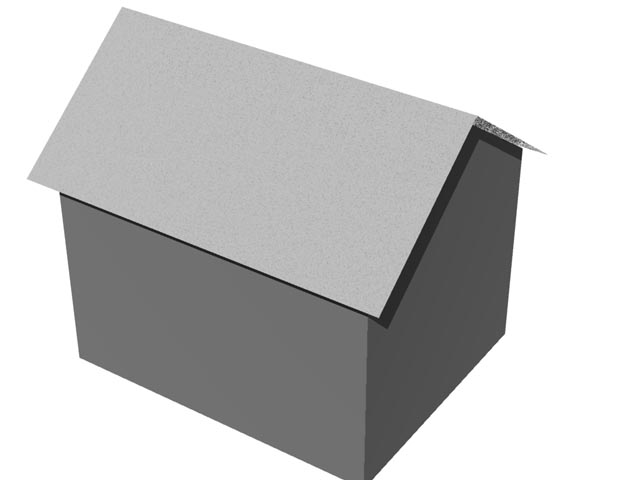
Mid-terrace homes don’t usually qualify, as they don’t have an exposed roof end to convert.
Understanding the trade-offs
A hip-to-gable conversion can be a very effective solution, but it’s important to weigh the pros and cons carefully.
Advantages
- Blends naturally with the existing structure of many homes
- Creates valuable head height and floor space
- Can be combined with a dormer for significantly more room
- Often possible under permitted development rules
Limitations
- Not suitable for homes without a side roof slope
- On semi-detached homes, symmetry can be affected if only one side is converted
- On its own, it may not create enough space for larger layouts without a dormer
Understanding these trade-offs early helps avoid disappointment later in the design process.
Planning rules you’ll need to factor in
Many hip-to-gable conversions can be completed under permitted development, but only if they meet specific criteria. Even then, it’s strongly recommended to apply for a lawful development certificate as proof the work was compliant at the time it was carried out.
Common requirements include:
- A maximum additional roof volume of 50 cubic metres for semi-detached and detached homes
- Materials that closely match the existing house
- No new windows on side elevations unless they are obscured
- Non-opening windows below 1.7 metres from floor level
- Dormer walls set back at least 200mm from the original wall face
- Roof pitch matching the existing roof
Some properties — such as flats, maisonettes, listed buildings, or homes with restricted development rights — may not qualify at all, so checking eligibility early is essential.
If it’s not suitable, there are other options
If a hip-to-gable conversion isn’t possible for your home, there are still several other ways to make use of your loft space.
You might explore:
- Rear dormers, which extend outwards and are often less visually intrusive
- Side dormers, suitable where there is sufficient roof width
- L-shaped dormers, often used where rear outriggers already exist
- Mansard conversions, which reshape the roof more extensively and are often preferred where traditional roof forms are important
- Rooflight-only conversions, ideal where you already have at least 2.1 metres of internal height
Each option comes with different space gains, costs, and planning considerations.
A calm final thought before you decide
A hip-to-gable loft conversion can transform an awkward attic into a genuinely usable living space — but only when it suits the structure of your home and your goals for the space.
Before moving forward, take time to understand your roof type, check planning constraints, and think carefully about how much space you actually need. With the right approach, your loft can become one of the most practical and valuable parts of your home.
.png)

.jpeg)


With over 500+ projects completed nationwide.



