A Complete Homeowner’s Guide to Converting Your Garage

If your garage has quietly turned into a storage overflow rather than a place for your car, you’re not alone. For many households, this forgotten space ends up holding bikes, boxes, and everything else that doesn’t quite fit inside the house.
A garage conversion offers a practical way to reclaim that area and turn it into usable living space — often faster and more affordably than other types of home extensions. Whether you’re aiming for an extra bedroom, workspace, or flexible family room, this guide walks through what homeowners should realistically consider before getting started.
Is a Garage Conversion Right for Your Property?
Before committing to designs or budgets, it’s important to assess whether converting your garage makes sense for your home and location.
One of the biggest considerations is parking availability. In areas where off-street parking is limited, removing a garage can reduce buyer appeal or even trigger objections from the local authority. Even if formal approval isn’t required, losing secure parking may affect resale value.
You’ll also need to take extra care if your home:
- Is listed
- Sits within a conservation area
- Falls under restricted development rights
In these cases, external changes — such as replacing a garage door with windows or brickwork — may require formal consent.
Understanding the Cost of a Garage Conversion
Garage conversions are widely regarded as one of the most budget-friendly ways to add habitable space, but final costs can vary significantly depending on the scope of work.
What influences the price?
Several variables affect overall spend, including:
- Floor area being converted
- Intended use of the space
- Build quality and finish level
- Contractor size and experience
- Structural alterations required
Where your budget typically goes
Most conversion budgets are split across multiple elements, not just construction. These often include:
- Design and technical services
- Surveys and structural input
- Labour
- Materials and finishes
- Windows and glazing
- VAT
More complex projects — especially those involving structural changes, drainage alterations, or high-spec interiors — will naturally sit at the higher end of the scale.
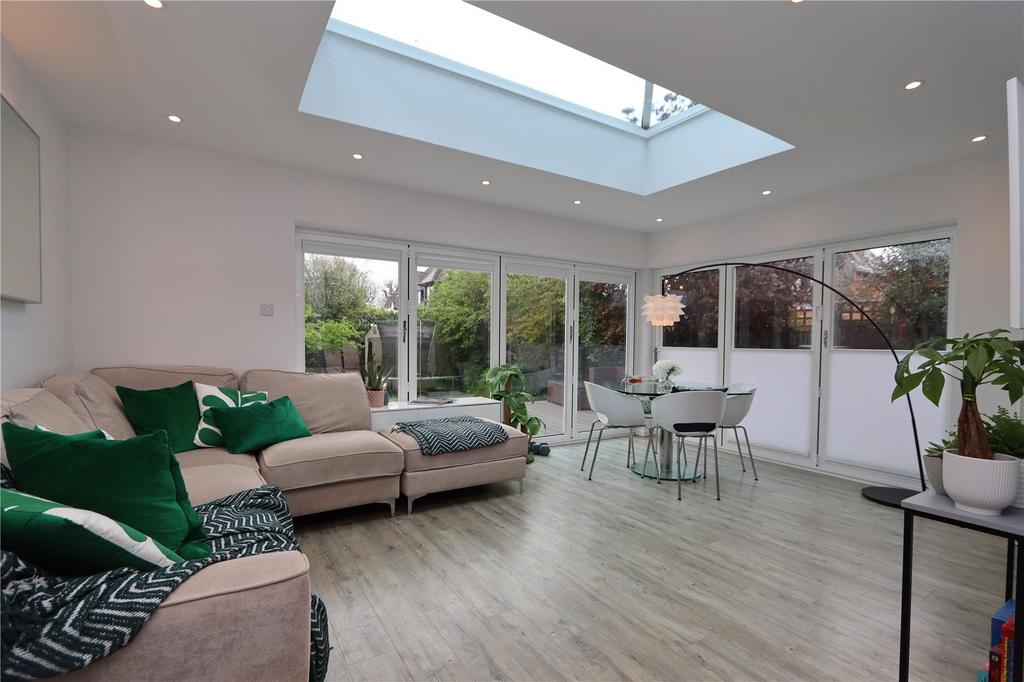
Typical conversion ranges
For very basic conversions:
- A single garage may sit in the lower four-figure to low five-figure range
- A double garage conversion can rise into the higher five figures
These figures usually exclude VAT and premium fittings, which should be allowed for separately.
Setting a Realistic Budget
Budgeting isn’t just about what you can afford today — it’s also about understanding future value and long-term financial impact.
Homeowners often benefit from reviewing:
- Funding options
- Projected uplift in property value
- Insurance cover during construction
Aligning financial planning with design decisions early on can prevent costly revisions later.
How Much Value Can a Conversion Add?
A well-designed garage conversion can increase a home’s value by around 5–10%, though this depends heavily on how the space is used.
Spaces that typically add the most appeal include:
- Additional bedrooms
- Rooms with en-suite facilities
- Flexible spaces that could function as bedrooms
Ground-floor rooms may add slightly less value than upper-floor bedrooms, but they can still be highly attractive — especially for accessibility or future-proofing.
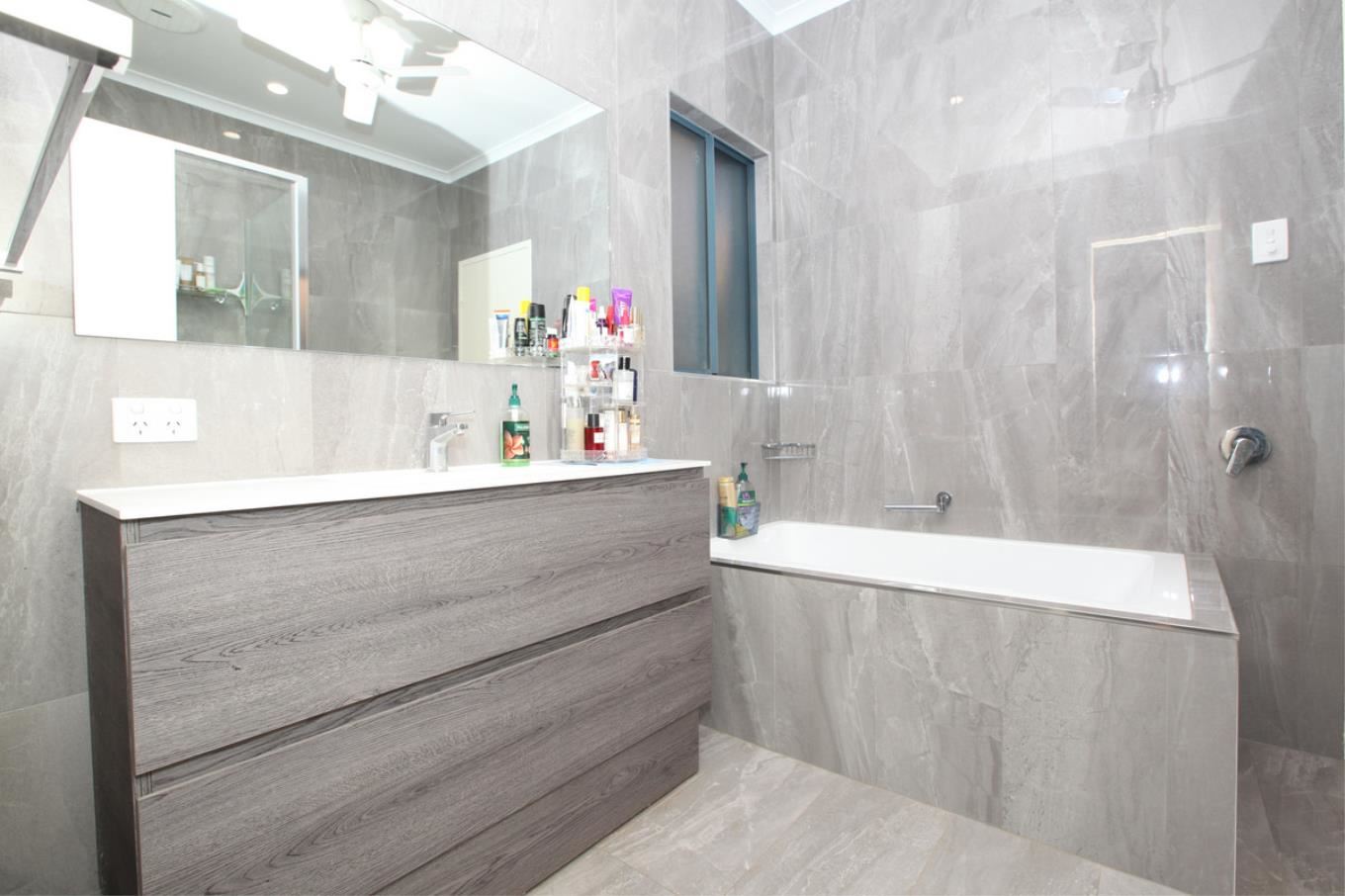
Popular Garage Conversion Uses
While bedrooms remain a common choice, modern lifestyles have broadened how homeowners use converted garages.
Some popular options include:
- Enlarged kitchens or dining areas
- Second living rooms for family use
- Dedicated home offices
- Media or cinema rooms
- Home gyms with improved ventilation
- Self-contained annexes (where permitted)
Detached garages offer additional flexibility but often involve more approvals and higher costs, particularly if bathroom facilities are introduced.
How Long Does a Garage Conversion Take?
Although quicker than many extensions, a garage conversion still follows several stages.
Typical timeline breakdown:
- Surveys and design development: a few weeks
- Planning or certification (if required): up to several months
- Building regulations approval: several weeks
- Construction phase: often around 1–1.5 months
Factoring in contractor selection and potential delays, the full process commonly spans several months from start to finish.
Planning Permission: Do You Need It?
Most garage conversions fall under permitted development, meaning formal planning approval isn’t usually required — provided the work is largely internal and doesn’t enlarge the building.
You’re more likely to need planning permission if:
- The property is a flat or maisonette
- The building is listed
- The garage is detached and becoming living accommodation
- The home sits in a restricted area
- An Article 4 Direction applies
When uncertainty exists, checking with the local authority or a planning professional early can save time later.
Why a Lawful Development Certificate Matters
Even when planning permission isn’t required, many homeowners choose to apply for a lawful development certificate.
This document:
- Confirms the work was permitted at the time
Provides reassurance to buyers and insurers - Protects you if planning rules change in the future
It’s not compulsory — but it’s often considered a smart safeguard.
Building Regulations: Non-Negotiable
Every garage conversion must comply with building regulations. These ensure the space is safe, comfortable, and energy-efficient.
Key areas covered include:
- Structural integrity
- Fire safety
- Insulation and moisture protection
- Ventilation
- Sound insulation
- Drainage and electrics
- Access and usability
Meeting these standards usually requires coordination between designers, engineers, inspectors, and sometimes party wall professionals.
Additional Paperwork to Plan For
Beyond planning and regulations, a few other admin tasks often arise.
Party wall matters
If work affects shared walls or involves excavation near neighbouring buildings, formal notices and agreements may be required.
Contracts with builders
Clear contracts should outline:
- Payment stages
- Timelines
- Insurance responsibilities
- Scope of work
- Handling of delays and variations
Independent review of contracts can help avoid disputes later.
Insurance considerations
During construction, standard home insurance may not offer full cover. Many homeowners arrange:
- Specialist renovation insurance
- Structural warranties for long-term protection
- Updated life insurance if borrowing is involved
Final Thoughts
A garage conversion can transform an underused space into something genuinely valuable — both for everyday living and long-term resale. Success comes down to careful planning, realistic budgeting, and the right professional support.
If you approach the process methodically, this modest project can deliver one of the highest returns on investment available in home improvement.
.png)

.jpeg)


With over 500+ projects completed nationwide.



