A practical 5-step guide to building a side garage extension

If your garage feels underused or disconnected from the rest of your home, a side garage extension could be a smart way to unlock more space. For some properties, extending to the side helps square off awkward layouts. For others, it creates the opportunity to convert a garage into a more practical, liveable room.
So, if you’ve got unused space running alongside your garage, what happens next? Below, we break down the key stages involved in creating a well-designed side garage extension, from early planning through to construction.
Is a side garage extension the right move for your home?
Homeowners consider side garage extensions for a variety of reasons, often driven by space, flexibility, or future-proofing.
Increasing garage capacity
Extending to the side can turn a single garage into a double-width space. This can be useful for households with multiple vehicles or limited on-street parking. In areas where parking is restricted, improved garage capacity can also make a property more appealing in the long term.
Creating functional ground-floor space
A side extension doesn’t have to remain a garage. Many homeowners use the additional footprint to introduce practical rooms such as:
- Utility or laundry spaces
- Workshops or storage rooms
- Home offices or hobby areas
Even modest increases in floor area can significantly improve how the ground floor works day to day.
Converting the garage into a new room
If the garage is rarely used for parking, a side extension can support a full conversion into a habitable space. Common uses include guest bedrooms, bathrooms, gyms, or media rooms, depending on your household’s needs.
The key stages of building a side garage extension
While construction is the visible part of the project, much of the success comes from early preparation. Here’s how the process typically unfolds.
Step 1: Measure and assess the existing property
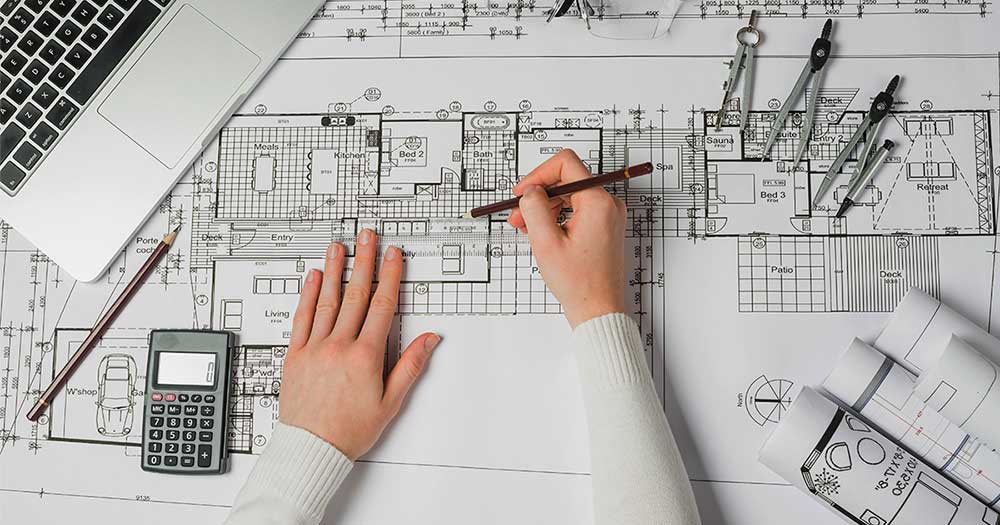
If you don’t already have accurate drawings of your home, the first step is a measured survey. This records the current layout, dimensions, and structure of the building.
These “existing drawings” form the foundation for all future design work and help identify early constraints, such as:
- Available width for the extension
- Impact on neighbouring properties
- Privacy and overlooking concerns
- Relationship to roads and boundaries
- Natural light levels
Any challenges identified at this stage can usually be addressed through design solutions.
Step 2: Develop the proposed design
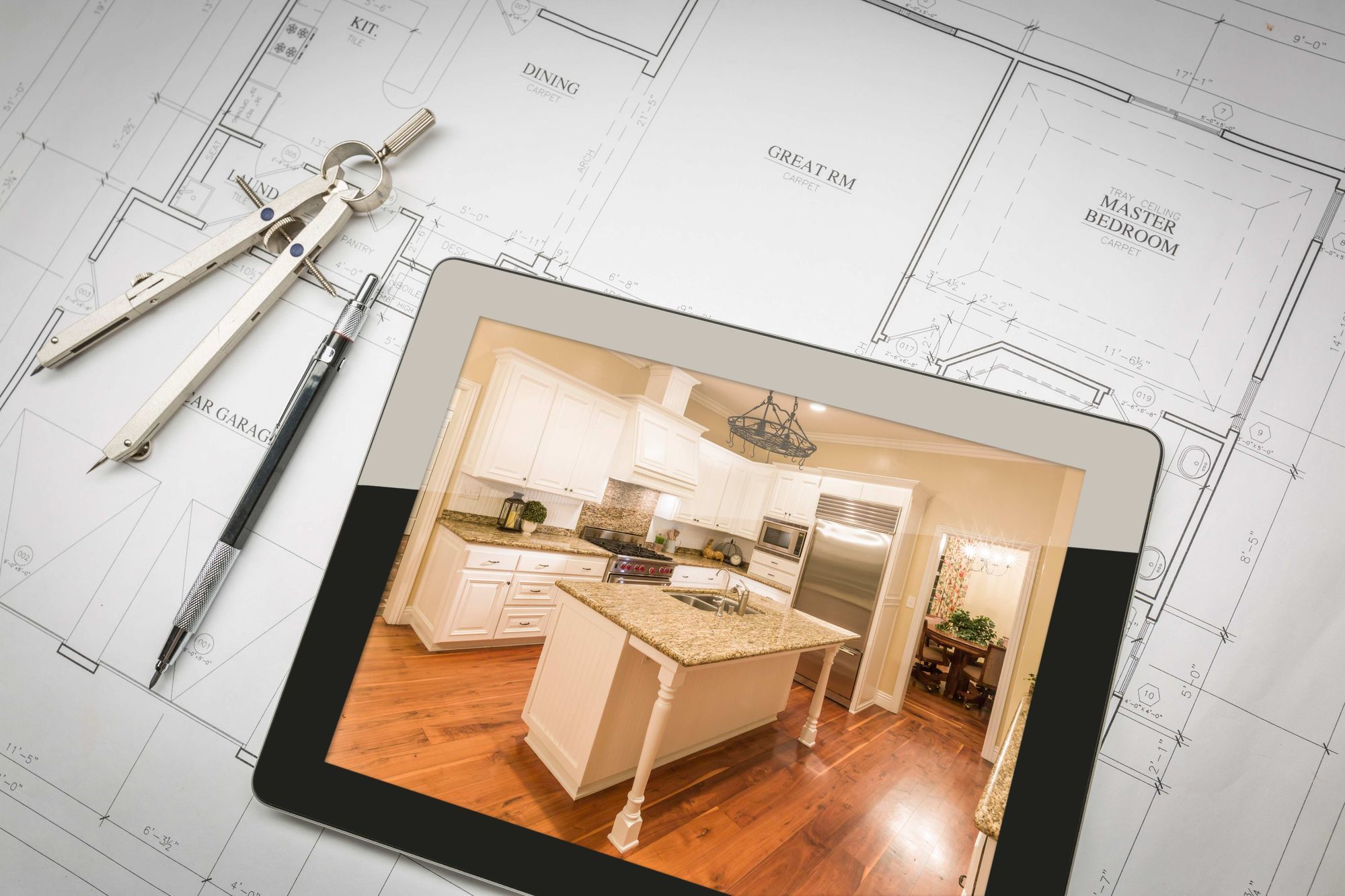
Once the existing layout is documented, the next step is to shape the design of the extension itself. This stage focuses on how the new space will look and function.
Key decisions typically include:
- Internal layout and room use
- External appearance and materials
- Window and door placement
- Amount of glazing and natural light
These drawings are prepared for planning purposes and focus on appearance rather than construction detail.
Step 3: Confirm planning requirements
Depending on the size, location, and design of your extension, it may fall under permitted development rights or require full planning permission.
If the proposal qualifies as permitted development, many homeowners still apply for a lawful development certificate. This provides formal confirmation that the work was legal at the time it was built, which can be helpful when selling in the future.
If permitted development does not apply, a full planning application will be required. Decisions are typically issued within the standard statutory timeframe.
Step 4: Prepare for building regulations
All garage extensions must comply with building regulations, regardless of whether planning permission is needed. These rules cover structural safety, insulation, ventilation, drainage, and fire safety.
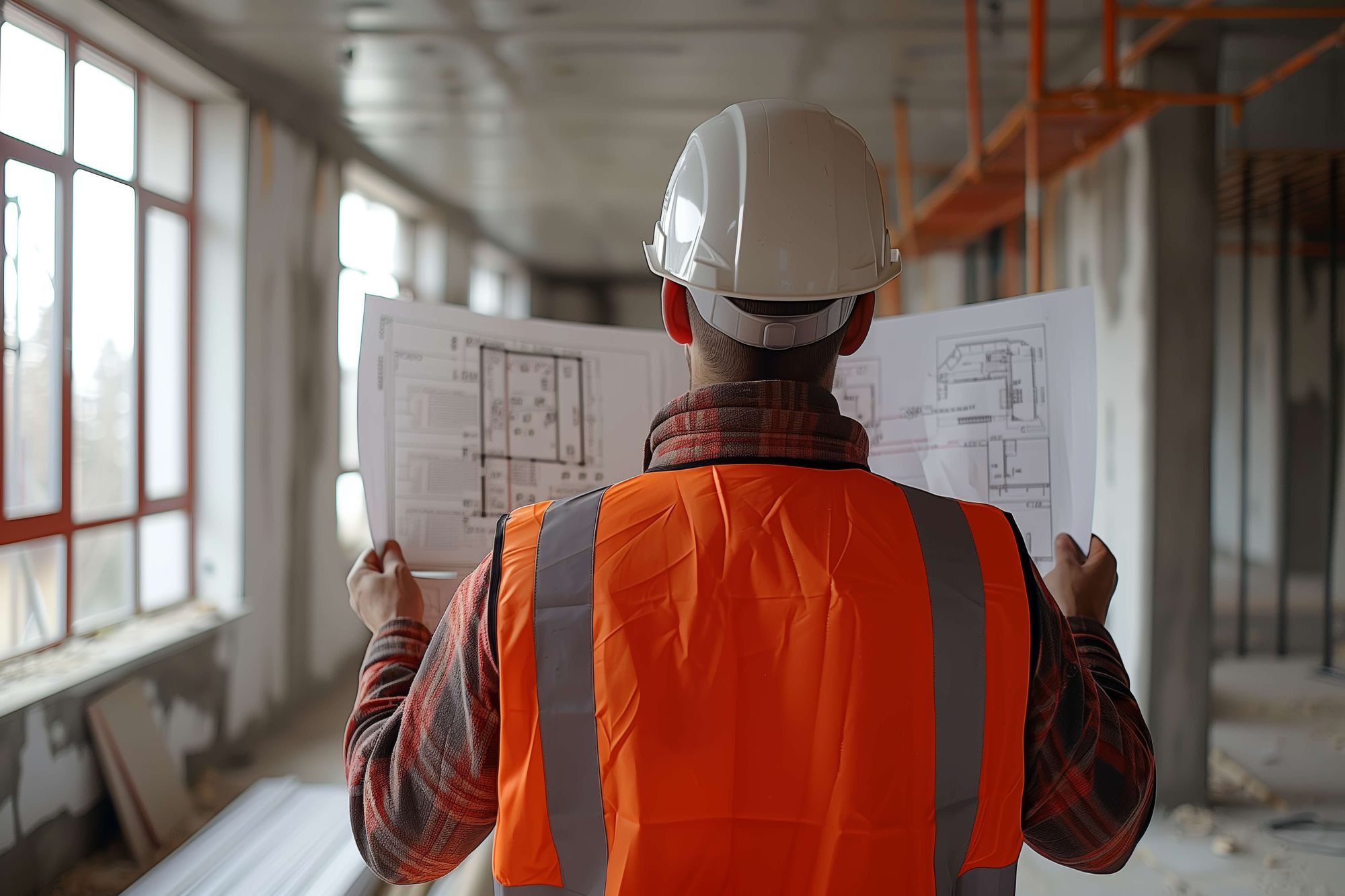
At this stage, more detailed technical drawings are produced, often with input from a structural engineer. These drawings:
- Ensure legal compliance
- Identify technical issues before work begins
- Allow builders to price the project accurately
Even if you skip detailed drawings, structural calculations will still be required to support the build.
Step 5: Appoint the right builder
With technical drawings in place, you can approach builders for quotes. Speaking to multiple contractors allows you to compare experience, communication style, and approach to the work.
Early estimates are often based on assumptions about finishes and scope. After site visits, builders can provide more detailed tenders that clarify what is and isn’t included, helping you make an informed decision.
Do side garage extensions need planning permission?
Side garage extensions can sometimes be built under permitted development, provided certain criteria are met. These typically relate to:
- Positioning (not facing a highway)
- Overall height and proximity to boundaries
- Proportion of land covered
- Use of materials similar to the existing property
Some properties are excluded from permitted development altogether, including:
- Listed buildings
- Flats and maisonettes
- Certain newer developments
In conservation areas, permitted development rights may be restricted, so specialist advice is often recommended.

Making the most of your garage space
Whether you’re extending, converting, or combining both, a side garage extension can significantly improve how your home functions. With the right preparation and professional guidance, it’s possible to create a space that feels intentional, practical, and well integrated with the rest of your property.
.png)

.jpeg)

With over 500+ projects completed nationwide.



