A Practical Guide to Planning, Design and Home Improvements in Lambeth

Extending a home in Lambeth requires more than just a good design idea. From early concepts through to long-term living, successful projects depend on understanding local planning rules, design expectations, and the character of the surrounding area.
This guide outlines the key considerations homeowners should be aware of when planning an extension within the borough.
Understanding Planning Controls in Lambeth
Lambeth is one of the most diverse boroughs in the capital, both in terms of architecture and neighbourhood character. Residential streets range from quieter, tree-lined areas to dense urban zones close to the river and major transport links. As a result, planning decisions are rarely one-size-fits-all.
A significant proportion of the borough is covered by Conservation Area designations. These areas are protected to preserve their historic or architectural value, which means additional controls may apply to external alterations, materials, massing, and visibility from the street.
While many applications are processed within standard decision timeframes, approval outcomes can vary depending on location, proposal type, and design quality. Careful preparation, policy awareness, and clear justification are often essential for achieving consent.
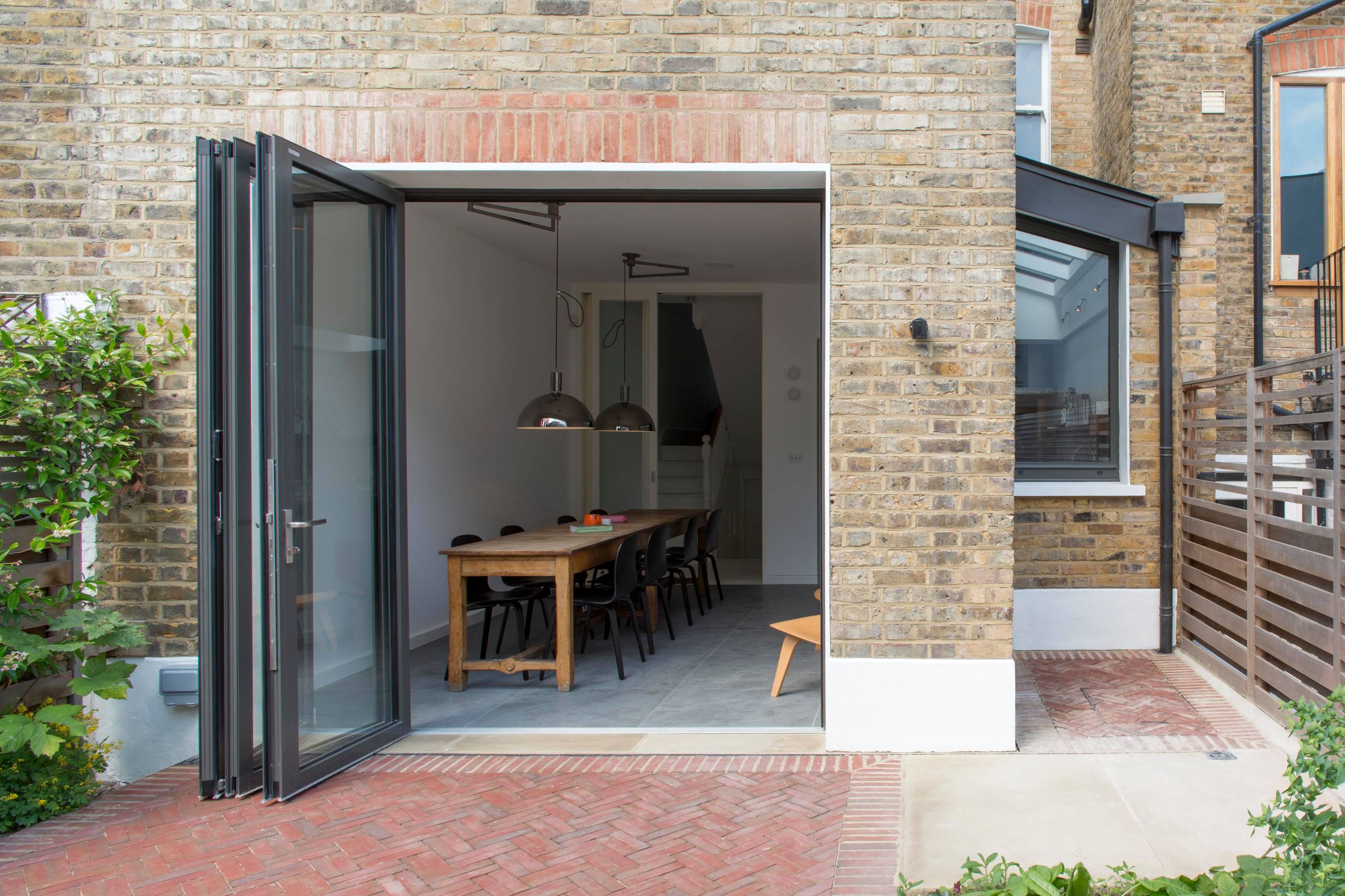
Designing an Extension That Meets Local Expectations
Successful applications tend to balance contemporary living needs with respect for the existing building and its surroundings. Key factors often reviewed by planning officers include:
- Scale and proportion in relation to neighbouring properties
- Impact on daylight, privacy, and outlook
- Choice of materials and external finishes
- Visibility from public viewpoints
- Relationship to existing architectural features
Thoughtful design responses tailored to the specific street or conservation area can significantly strengthen an application.
Cost Considerations for Extensions in the Borough
Extension costs vary widely and depend on several variables, including property condition, site access, build complexity, structural requirements, and specification choices.
Rather than relying on fixed figures, it is generally more accurate to consider relative cost ranges between different extension types, such as rear, side, wraparound, or multi-storey additions. Early-stage feasibility studies and measured designs can help establish realistic budgets before progressing too far.
Managing the Process From Concept to Completion
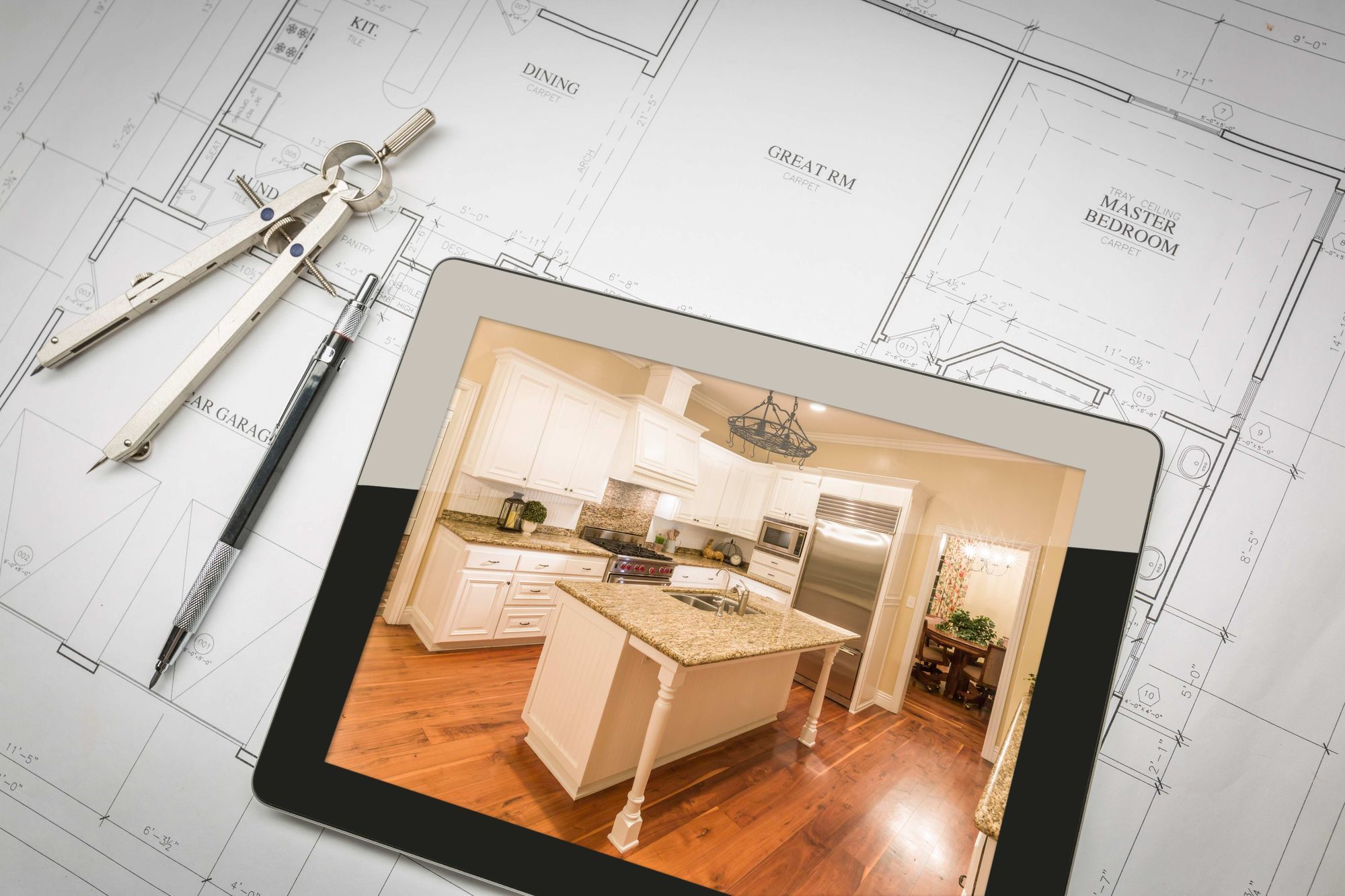
A well-managed extension project typically follows a clear sequence:
- Initial feasibility and site assessment
- Concept design and layout development
- Planning strategy and submission
- Technical design and approvals
- Contractor selection and construction
Access to experienced technical and design support can help navigate this process efficiently, particularly where planning constraints or complex site conditions are involved.
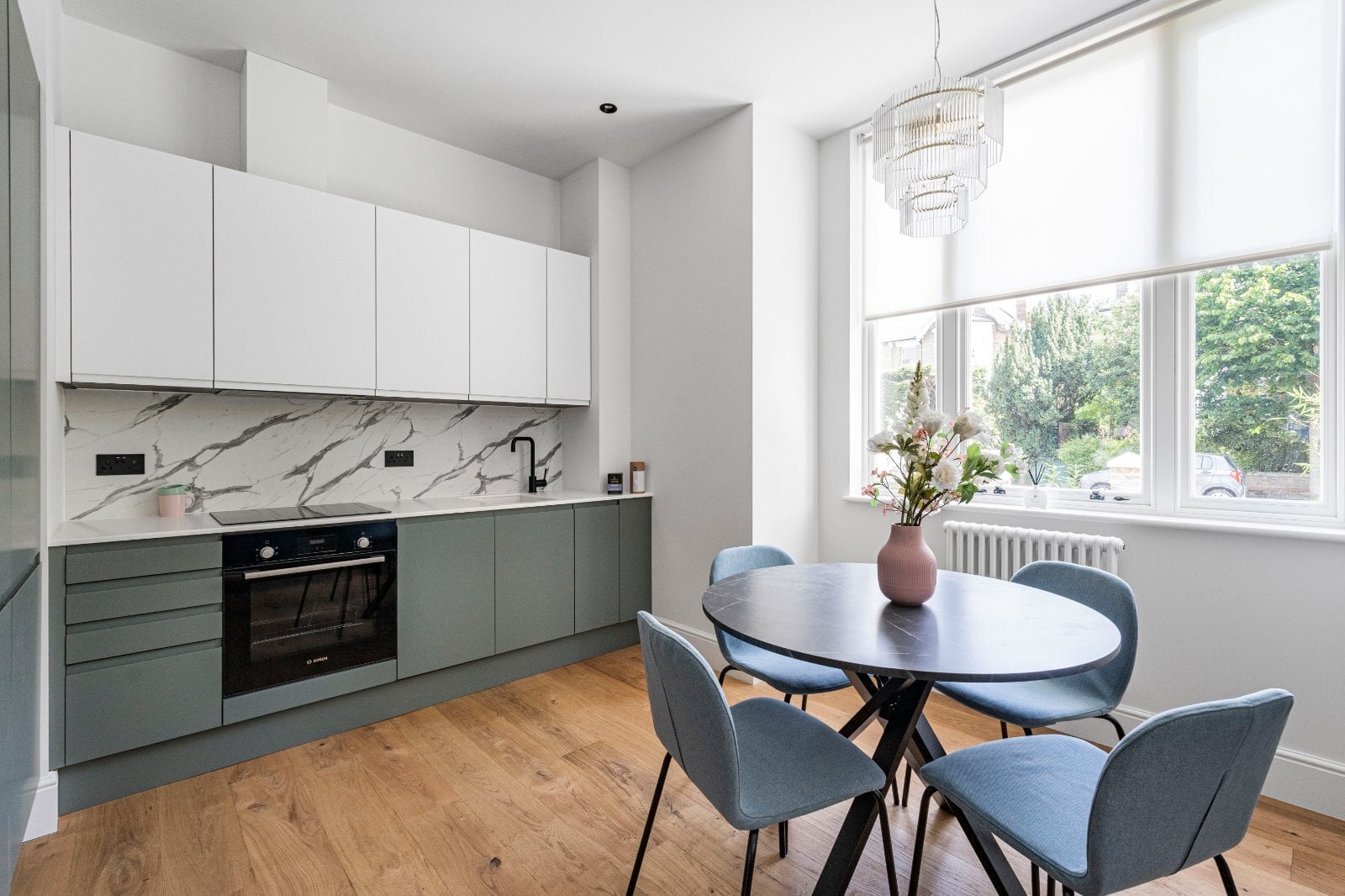
Bringing Long-Term Value to Your Home
Beyond adding space, a well-considered extension should enhance how the home functions day to day. Flexible layouts, improved natural light, and stronger connections between indoor and outdoor spaces often contribute most to long-term satisfaction.
In areas like Lambeth, where character and context matter, extensions that respond sensitively to their surroundings are more likely to achieve both planning success and lasting value.
.png)

.jpeg)

With over 500+ projects completed nationwide.



