A practical guide to side return extensions for Victorian terraced homes

If you live in a Victorian terraced house and feel short on space, a side return extension can be one of the most effective ways to improve how your home works. Many properties of this era include a narrow side passage that’s rarely used for anything meaningful. By building into this area, you can widen and rebalance your ground floor without sacrificing valuable garden space.
Done well, this type of extension doesn’t just add square metres — it can completely change how light, movement, and daily life flow through your home.
Why side return extensions work so well for Victorian terraces
Making better use of overlooked space
Instead of extending deep into the garden, a side return fills in space that’s already there but underused. This is particularly helpful where outdoor space is limited or highly valued.
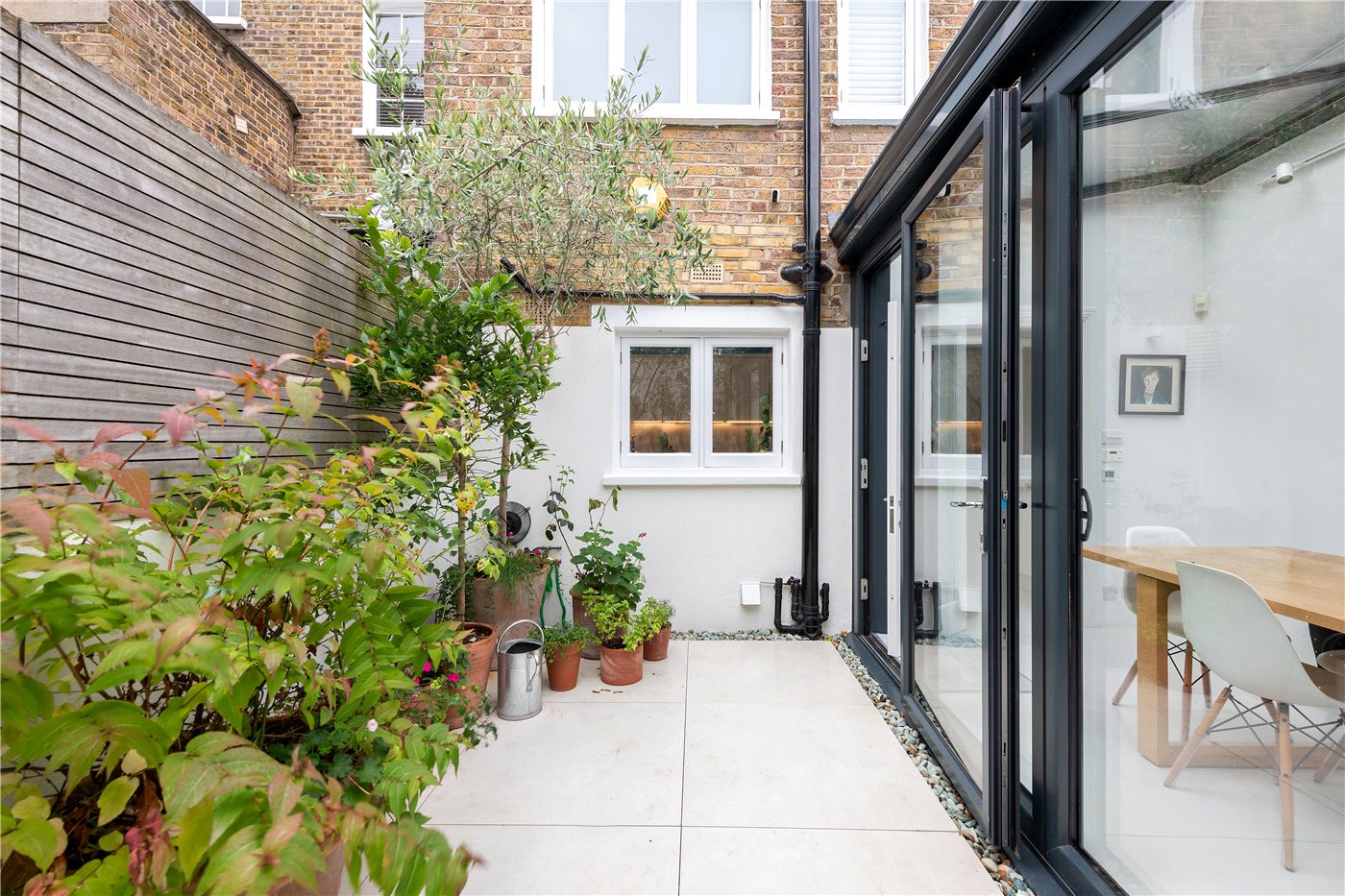
Bringing daylight into darker areas
Side passages often block light from reaching the centre of the house. Introducing roof glazing, skylights, or glazed doors can dramatically brighten spaces that previously relied on artificial lighting.
Achieving a big impact without a huge footprint
Even relatively modest increases in width can make rooms feel significantly more open. The visual and functional change is often greater than the numbers suggest.
How a side return extension can add long-term value
Improving layout, natural light, and usability tends to have a positive effect on resale appeal. Homes that feel open, practical, and well-lit generally attract stronger interest from future buyers.
While value uplift varies, extending into unused space is often seen as a sensible investment because it improves both everyday living and long-term flexibility
Cost considerations for a Victorian terrace side return extension
There’s no fixed cost for this type of project. Budgets depend on the size of the extension, the amount of structural work involved, and the level of finish you choose.
As a broad guide, many side return extensions fall within a range of £80,000 to £120,000, though costs can move outside this depending on:
- Width and length of the side return
- Ground conditions and drainage adjustments
- Amount of glazing and roof complexity
- Internal finishes and fittings
It’s worth allowing contingency in your budget, particularly when working with older properties where hidden issues can arise.
Planning permission and permitted development rules explained simply
Side return extensions can often be carried out under permitted development, meaning formal planning permission may not be required. However, specific limits must be respected.
In general, your project may qualify if it:
- Sits to the side or rear of the house (not the front)
- Does not face a public highway
- Uses materials similar in appearance to the existing home
- Covers no more than 50% of the original garden area
- Is no wider than half the width of the original house
- Stays below 4 metres in height (or 3 metres if close to a boundary)
- Keeps eaves and ridge lines below the existing roof height
Some homes have additional restrictions, particularly if they are listed or subject to special planning controls. Checking early helps avoid costly redesigns later.
Who should be involved in the design and build process?
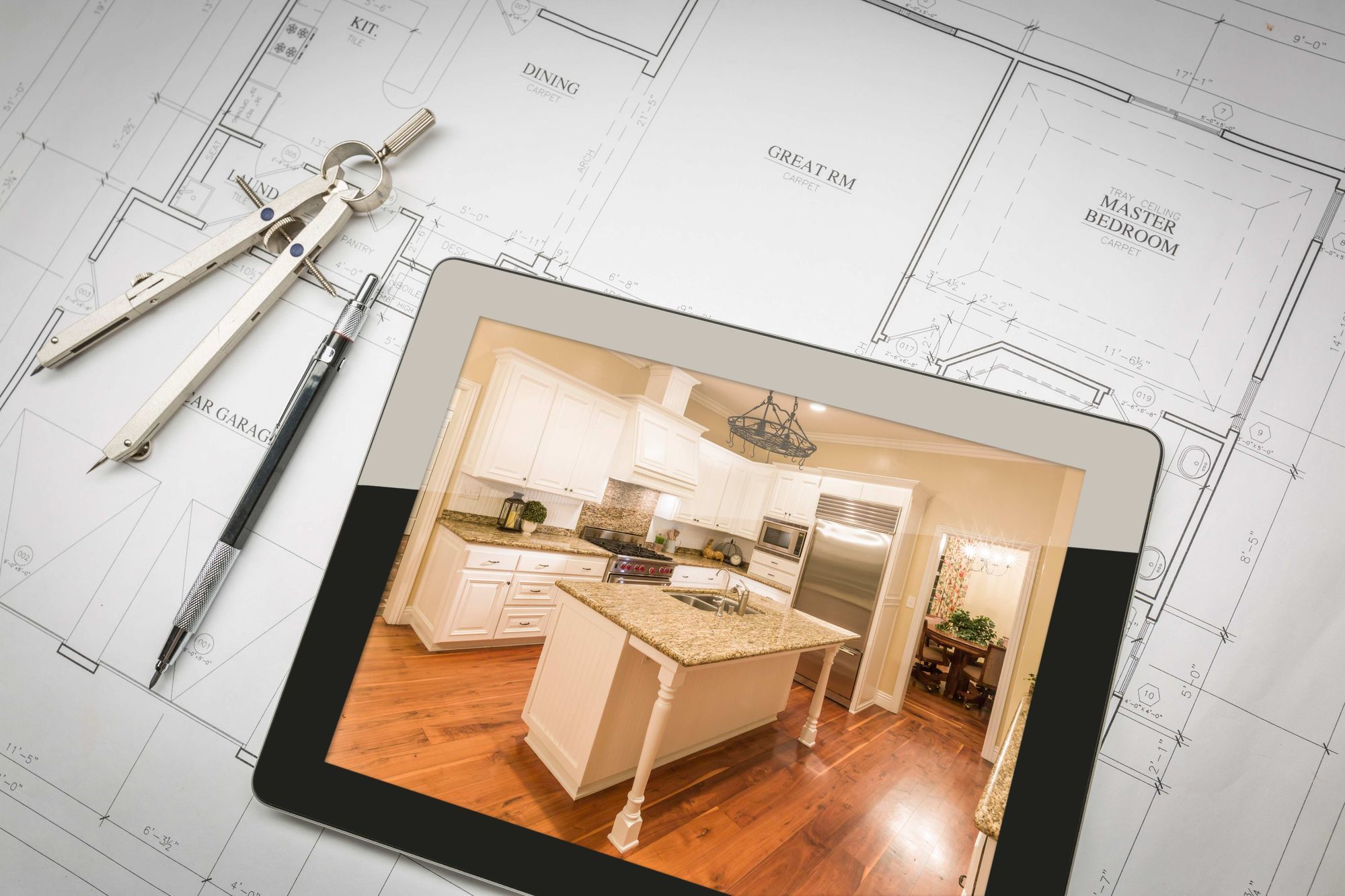
Any project that changes the external structure of your home benefits from professional input. Clear drawings, coordinated approvals, and proper technical detailing help ensure the build is safe, compliant, and delivers the result you’re expecting.
Good planning at this stage often saves time, stress, and unexpected costs once work begins.
How long does a side return extension usually take?
Timelines vary, but many Victorian terrace side return extensions take around 3 to 5 months to build once construction starts.
The overall process is influenced by:
- The complexity of the structure
- Weather conditions
- Access constraints
- How well the design and approvals are prepared in advance
Allowing time for planning, approvals, and detailed preparation before work begins can make the build phase far smoother.
Ideas for making the most of your new space
Side return extensions are often used to create:
- Open-plan kitchen and dining areas
- Brighter family living spaces
- Flexible zones for working, entertaining, or relaxing
The most successful designs balance modern improvements with the original character of the house, creating a space that feels natural rather than bolted on.
Is a side return extension right for your Victorian home?
If your home has an unused side passage and feels narrow, dark, or constrained, a side return extension is well worth considering. It’s a practical way to unlock space you already own and improve how your home supports daily life.
With careful planning, realistic budgeting, and a clear understanding of permissions, this type of extension can deliver lasting improvements without compromising what makes your home special.
.png)

.jpeg)

With over 500+ projects completed nationwide.



