A Simple Introduction to Pitched Roof Rear Extensions

Many homes have outdoor space at the back that isn’t doing very much. It might feel awkwardly shaped, poorly connected to the house, or simply forgotten. A rear extension is often the most straightforward way to unlock that space and make your home work better for everyday life.
One option that’s growing in popularity is a rear extension with a pitched roof. If you’re new to the idea, this guide walks you through what it is, why homeowners choose it, and what you should think about before starting.
What a Pitched Roof Rear Extension Actually Is
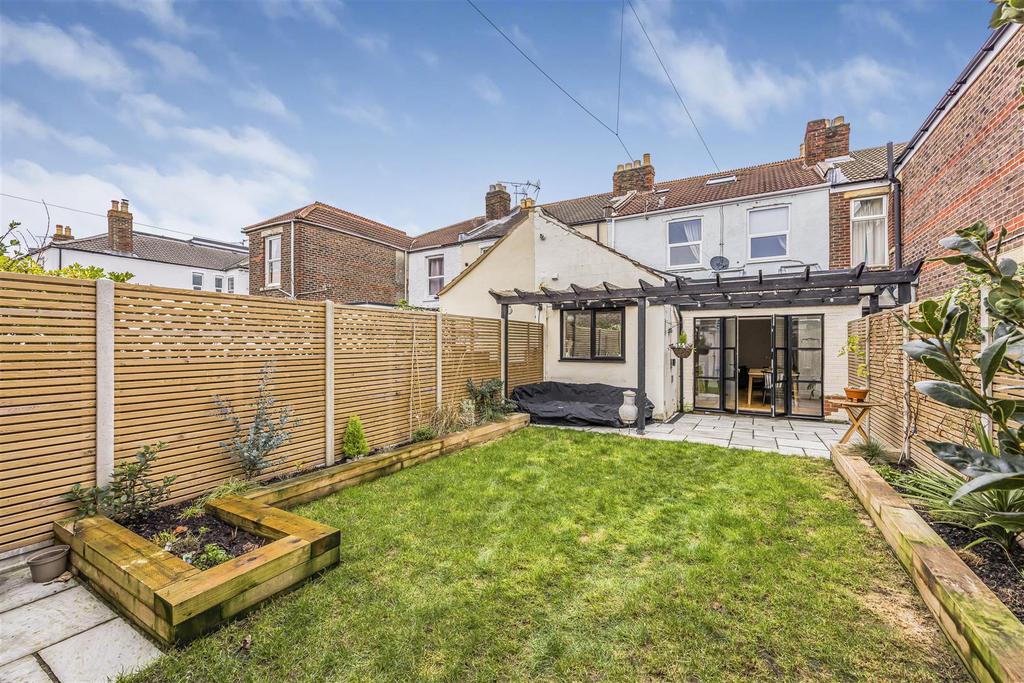
A pitched roof rear extension is an addition built onto the back of a property where the roof slopes at an angle rather than sitting flat. That angled form allows rainwater to drain naturally and often creates more head height inside the new space.
Because of the roof shape, these extensions tend to feel more in keeping with traditional homes, especially where the original building already has a sloping roof. Inside, they can also feel brighter and more open, particularly when combined with roof glazing or taller ceilings.
Understanding When Permission Is Required
Some pitched roof rear extensions can move forward without full planning permission, provided they stay within certain limits. This often depends on overall size, height, and how far the extension projects from the original building.
You may need formal approval if the extension rises above 3 metres in height, exceeds 5 metres in width when measured from ground level, or changes the way existing internal floor area is used. Adding new doors or windows, or extending across multiple walls, can also trigger the need for permission.
Because rules are precise and situation-specific, checking requirements early can prevent delays later on.
.png)

.jpeg)



With over 500+ projects completed nationwide.



