A Step-by-Step Guide to Building a Home Extension

Key information at a glance
- Typical starting cost: Home extensions often begin at around £50,000, with final costs influenced by size, layout and build complexity.
- Average timeframe: Most extension projects take between 7 and 15 months from early planning through to completion.
What this guide covers
- The main cost drivers behind extension projects
- The full journey from early planning to construction
- How to assemble the right professional team
- Ways to future-proof your extension with energy-efficient design
Extending your home can dramatically change how you live in it — adding space, improving functionality and increasing overall value. While the process involves careful planning and multiple stages, understanding what lies ahead can make the experience far more manageable.
This guide walks through the essential steps, from setting a realistic budget to navigating permissions, appointing professionals and integrating sustainable features into your new space.
Setting a realistic budget before you begin
Before any drawings are prepared or applications submitted, defining your budget is crucial. A clear financial framework helps shape design decisions, prevents scope creep and reduces the risk of unexpected costs later on.
Whether you’re extending for the first time or have tackled renovations before, starting with a realistic view of what you can afford will guide every stage of the project.
What influences the cost of an extension?
Several factors combine to determine the final price of an extension. Understanding these early makes it easier to plan ahead.
Size, layout and complexity
The type of extension you’re planning — whether single-storey, double-storey or more intricate — has a significant impact on cost. Larger footprints, structural alterations and bespoke designs all require more labour and materials, increasing the overall budget.
Property location
Where your home is located affects pricing. Areas with higher demand for skilled trades or limited contractor availability often command higher labour costs. In some regions, securing a contractor at all can be a challenge without long lead times.
Professional and application fees
If your extension requires planning permission, you’ll need to budget for application fees and supporting documentation. Additional services such as measured surveys, drawings and technical reports may also be required.
Construction professionals
An extension relies on multiple specialists, including builders, electricians, plumbers and surveyors. Factoring in these roles — and allowing flexibility — helps avoid underestimating costs.
Ground conditions and structural work
Assessments of soil quality, drainage and existing foundations are essential before construction begins. Any required remediation or strengthening work should be accounted for early in the budget.
Contingency allowance
Unexpected issues are common in extension projects. Setting aside a contingency fund provides breathing room if costs increase or timelines shift.
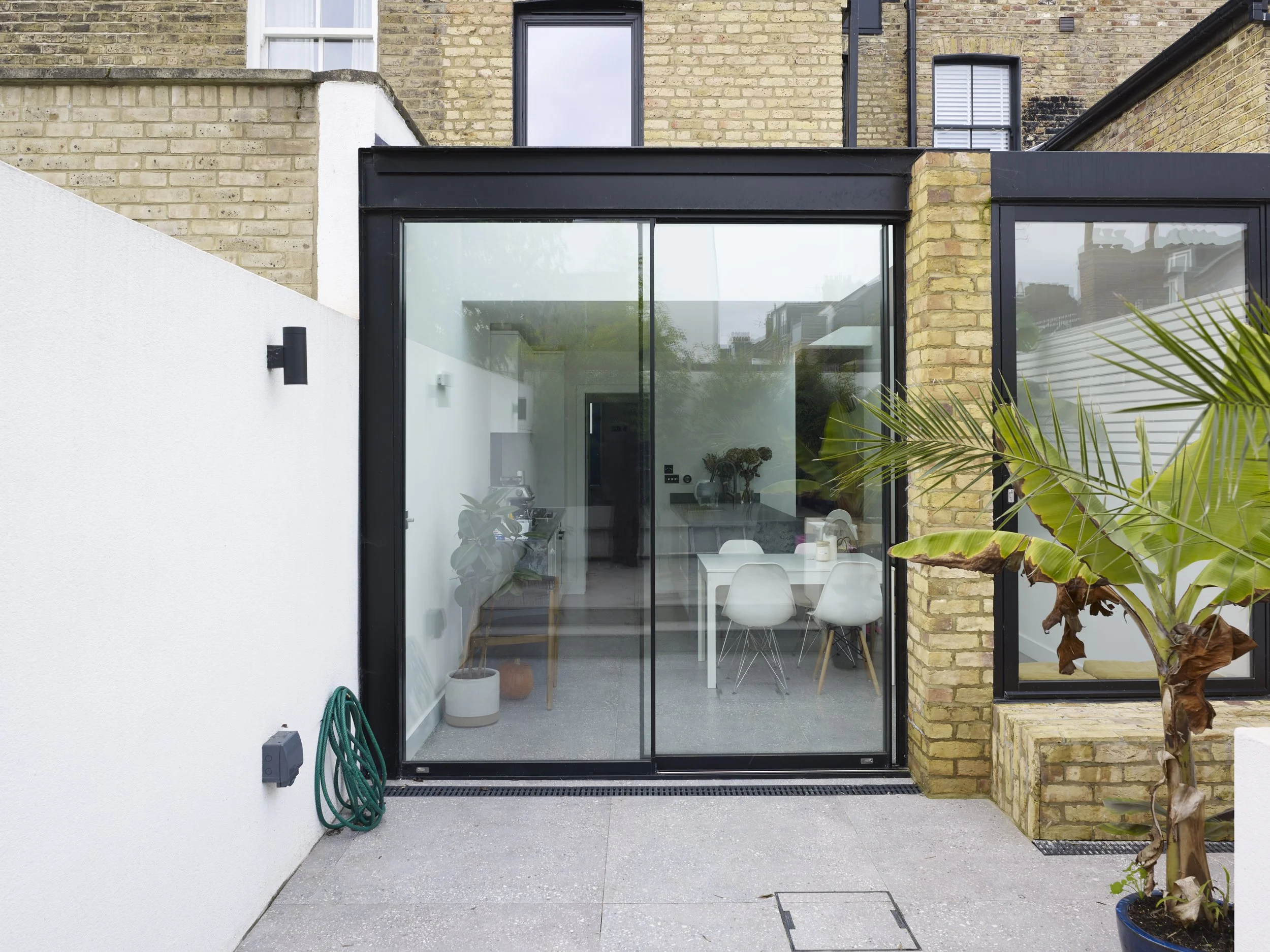
Funding your extension
Once you’ve outlined your budget, the next step is deciding how to finance the build. Different funding routes suit different circumstances.
Using savings
Savings can cover part or all of an extension, often alongside other funding options. While this avoids interest payments, building costs may rise over time, meaning savings alone may not keep pace.
Advantages:
- No long-term debt
- Potential to avoid interest if used strategically
Drawbacks:
- Takes time to accumulate
- Inflation may erode purchasing power
Personal loans
Personal loans can work for smaller projects, but repayments on larger sums can become difficult to manage.
Advantages:
- Quick access to funds
- Clear repayment structure
Drawbacks:
- Higher repayments on large loans
- Rates depend heavily on credit score
Remortgaging
For substantial extensions, remortgaging can unlock equity at comparatively competitive rates. This option should be approached carefully, as it affects long-term financial commitments.
Advantages:
- Access to larger sums
- Often lower interest rates over time
Drawbacks:
- Potential changes to mortgage terms
- Long-term financial impact

Understanding permissions and legal requirements
Planning approval
Some extensions can be built under permitted development rights, while others require formal planning permission. This depends on size, height, location and previous alterations to the property. Checking early prevents delays later on.
Building regulations
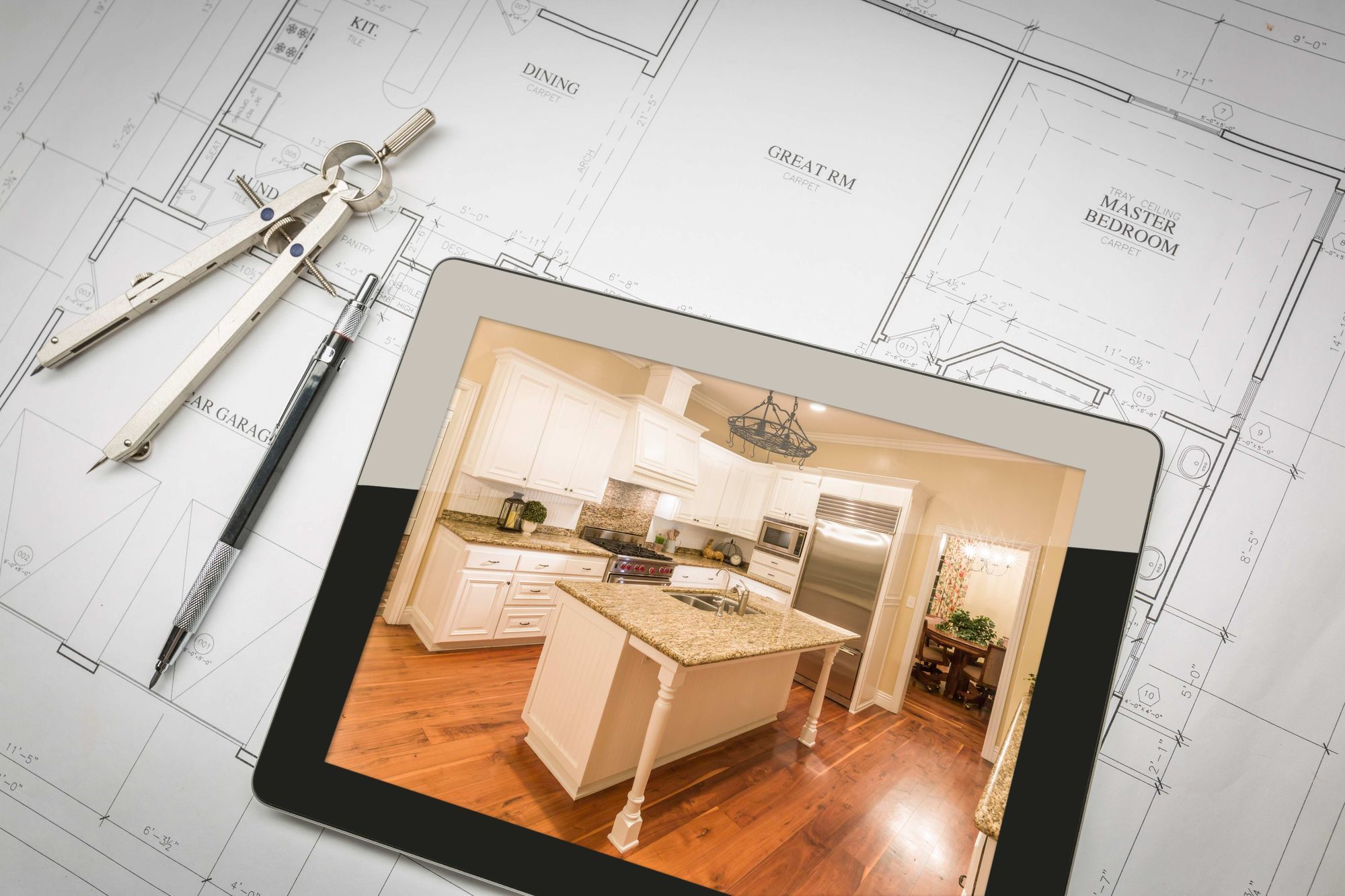
Regardless of planning status, all extensions must meet building regulations. Detailed technical drawings ensure the build complies with safety, structural and energy standards.
Party wall matters
If your extension affects a shared boundary, you may need to serve a party wall notice. Open communication with neighbours early on can help the process run smoothly and avoid disputes.
Assembling the right professional team
Design expertise
While not mandatory, engaging a qualified designer can significantly improve outcomes. Thoughtful layouts, material choices and structural planning help maximise space and avoid costly design changes during construction.
Selecting contractors
Choosing reliable builders is one of the most important decisions you’ll make. Comparing quotes, checking previous work and understanding availability are all essential steps. Professional introduction services can help connect homeowners with vetted local contractors suited to their project.
Designing with energy efficiency in mind
An extension offers a prime opportunity to improve how efficiently your home performs. Better insulation, ventilation and glazing can reduce running costs and improve comfort year-round.
Retrofitting energy-efficient measures during construction is often more cost-effective than upgrading later. Beyond environmental benefits, these improvements can also enhance long-term value.
Bringing your extension plans to life
Building an extension is a multi-stage process that rewards preparation and informed decision-making. By setting a clear budget, understanding permissions, choosing the right team and planning for sustainability, you’ll be well placed for a smoother build and a more successful outcome.
If you’re considering an extension and want expert guidance from the outset, a professional consultation can help clarify your options and next steps.
.png)

.jpeg)

With over 500+ projects completed nationwide.



