Architectural, Design and Planning Considerations for Homes in Portsmouth

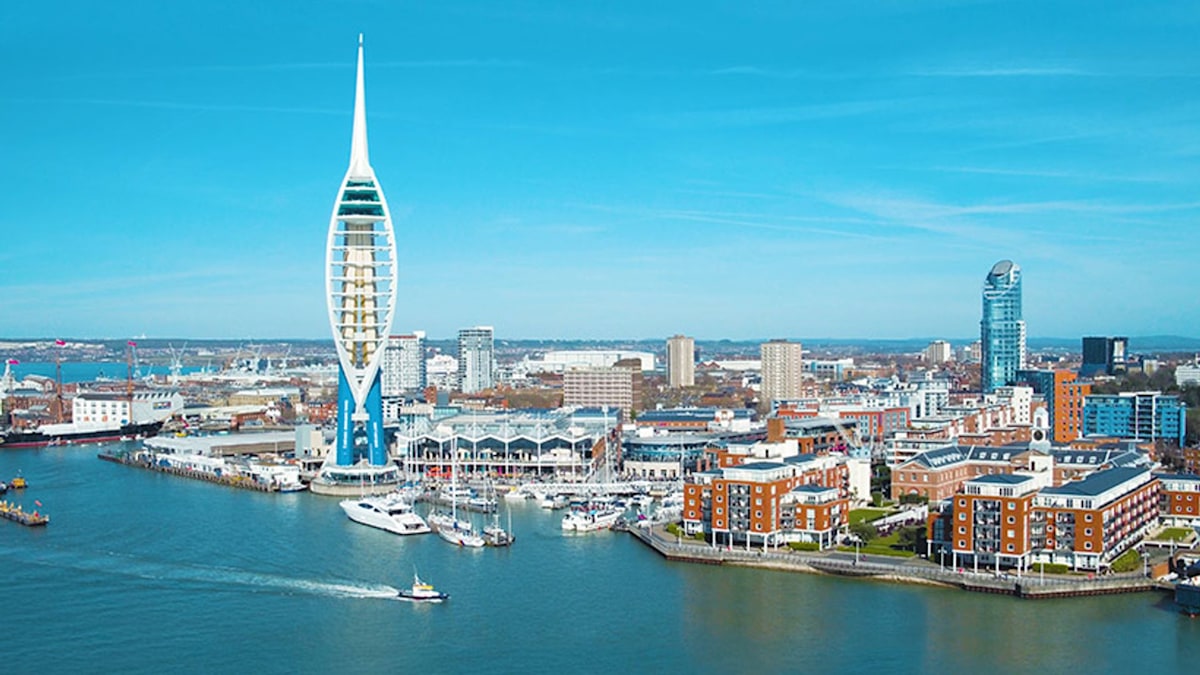
Improving or extending a home involves more than increasing floor space. It requires an understanding of planning policy, local character, and the technical constraints that shape what can realistically be built. In Portsmouth, these factors are particularly important due to the city’s varied architectural heritage and coastal setting.
Approaching a project with clear design intent and informed planning advice can help reduce uncertainty and create a smoother route from early ideas through to construction.
Extending a Home in Portsmouth
Portsmouth’s housing stock ranges from historic terraces and villas to post-war estates and contemporary developments. Each brings its own opportunities and limitations when it comes to alteration or extension.
In areas such as Southsea, architectural consistency and historic character often play a role in how proposals are assessed. Elsewhere, factors such as plot size, neighbouring properties, and visibility from public spaces may be more influential. Understanding how these elements affect development potential is a key early step in shaping a viable proposal.
Planning Context and Local Constraints
Large parts of Portsmouth, particularly along the coastline and within certain inland neighbourhoods, fall within designated Conservation Areas. These designations aim to preserve or enhance the special character of an area and can introduce additional considerations for homeowners.
Within these areas, planning decisions may be influenced by:
- Scale and massing of proposed works
- External materials and finishes
- Impact on streetscape or surrounding buildings
While development is not prohibited, proposals that fail to respond sensitively to their surroundings are more likely to face challenges during the approval process.
It is also important to note that local planning policy evolves over time. Emerging or revised planning frameworks may affect what is considered acceptable, particularly for residential alterations.
Likelihood of Planning Approval
Many residential planning applications in Portsmouth are approved, particularly where proposals are proportionate and well-documented. However, approval is never automatic.
Projects involving significant changes to appearance, footprint, or height — especially within Conservation Areas — tend to require stronger justification and more detailed design work. Early consideration of planning risk can help avoid delays, redesigns, or refusals.
Budgeting for a Home Extension
Extension costs can vary widely depending on a range of factors, including:
- The size and complexity of the design
- Structural interventions required
- Construction access and site conditions
- Specification of materials and finishes
Rather than relying on broad averages, early-stage design studies and technical input offer a more reliable basis for understanding likely costs and constraints.
.png)

.jpeg)


With over 500+ projects completed nationwide.



