Could a flat wraparound extension be the right move for your home?

When space starts to feel tight, moving isn’t always the most practical option—especially when every extra square metre carries real value. For some homeowners, a wraparound extension offers a smart alternative. While traditionally associated with houses, this L-shaped form of extension is increasingly being explored for ground-floor flats with the right layout.
In this guide, we’ll explain what a flat wraparound extension involves, which properties are suitable, and what you need to consider before deciding if it’s the right solution for your home.
Understanding what a wraparound extension involves
A wraparound extension merges two extension types into one continuous form. It extends across the rear of the property and fills in space along the side, creating an L-shaped footprint. This layout allows you to maximise space that might otherwise remain underused, especially narrow side passages or leftover garden edges.
For flats, this approach can dramatically change how the interior functions, opening up opportunities that simply aren’t possible within the original footprint.
Which flats are most suitable for a wraparound extension?
Not all flats can accommodate a wraparound extension, but some are particularly well suited. The strongest candidates tend to be ground-floor flats that have:
- Direct access to private outdoor space
- Spare land to the rear of the property
- Unused or underutilised space to one side
Flats created from larger period houses often fall into this category, as they may include side access routes or leftover garden space that can be built into. That said, any ground-floor flat with sufficient room at both the rear and side could potentially work, subject to permissions and ownership arrangements.
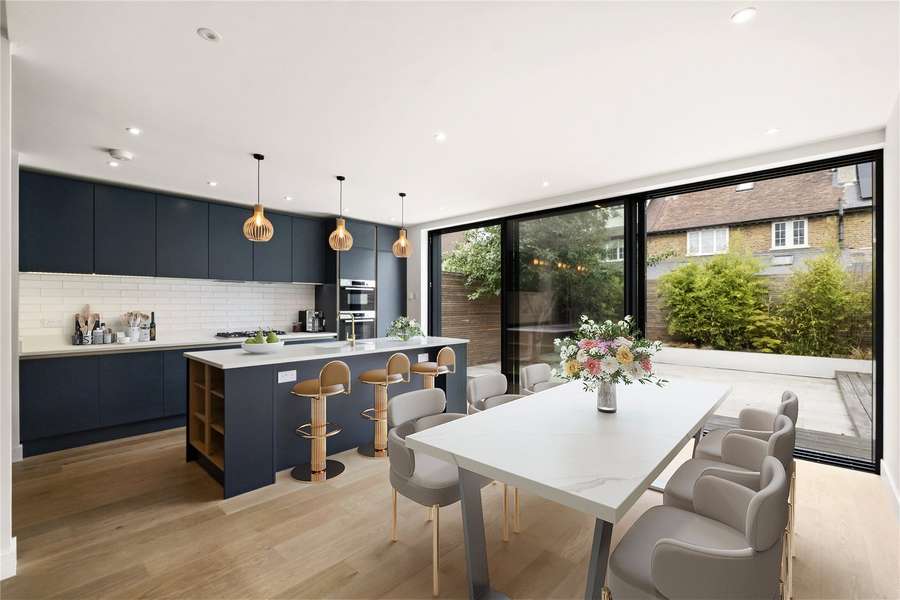
Why homeowners choose flat wraparound extensions
Extending a flat can feel like a big step, but for many homeowners it’s a way to adapt their space without the disruption or cost of moving. A wraparound extension can unlock enough room to completely rethink how the flat works on a day-to-day basis.
Common uses for the additional space include:
- An open-plan kitchen and living area
- An extra bedroom
- A dedicated home office
- A children’s play area
- A utility room or additional storage
Beyond improving daily living, an extension of this kind can also enhance the long-term appeal and usability of the property.
Permissions and ownership: what you’ll need in place
Before any design or construction begins, it’s essential to establish whether you’re allowed to extend your flat. If you don’t own the freehold of the entire building, freeholder consent is required. In many cases, this involves submitting detailed plans and gaining formal written approval before work can proceed.
Planning permission is also commonly required for flat extensions, particularly where changes affect the external appearance of the building or reduce outdoor space. This makes early checks and clear documentation especially important.
Keeping your flat bright and well-lit after extending
One of the biggest concerns with wraparound extensions—especially in flats—is maintaining good levels of natural light. Thoughtful design can help prevent the new space from feeling enclosed or dark.
Courtyard solutions
In some layouts, incorporating a small courtyard helps bring daylight into interior rooms. This can also support planning requirements where habitable rooms must meet minimum daylight standards.
Roof glazing
Skylights are an effective way to introduce daylight without sacrificing floor space. Their flexibility in size and positioning makes them particularly useful in wraparound layouts.
Interior finishes
Light-coloured surfaces, reflective materials, and carefully positioned mirrors can all help distribute natural light more evenly throughout the extended space.
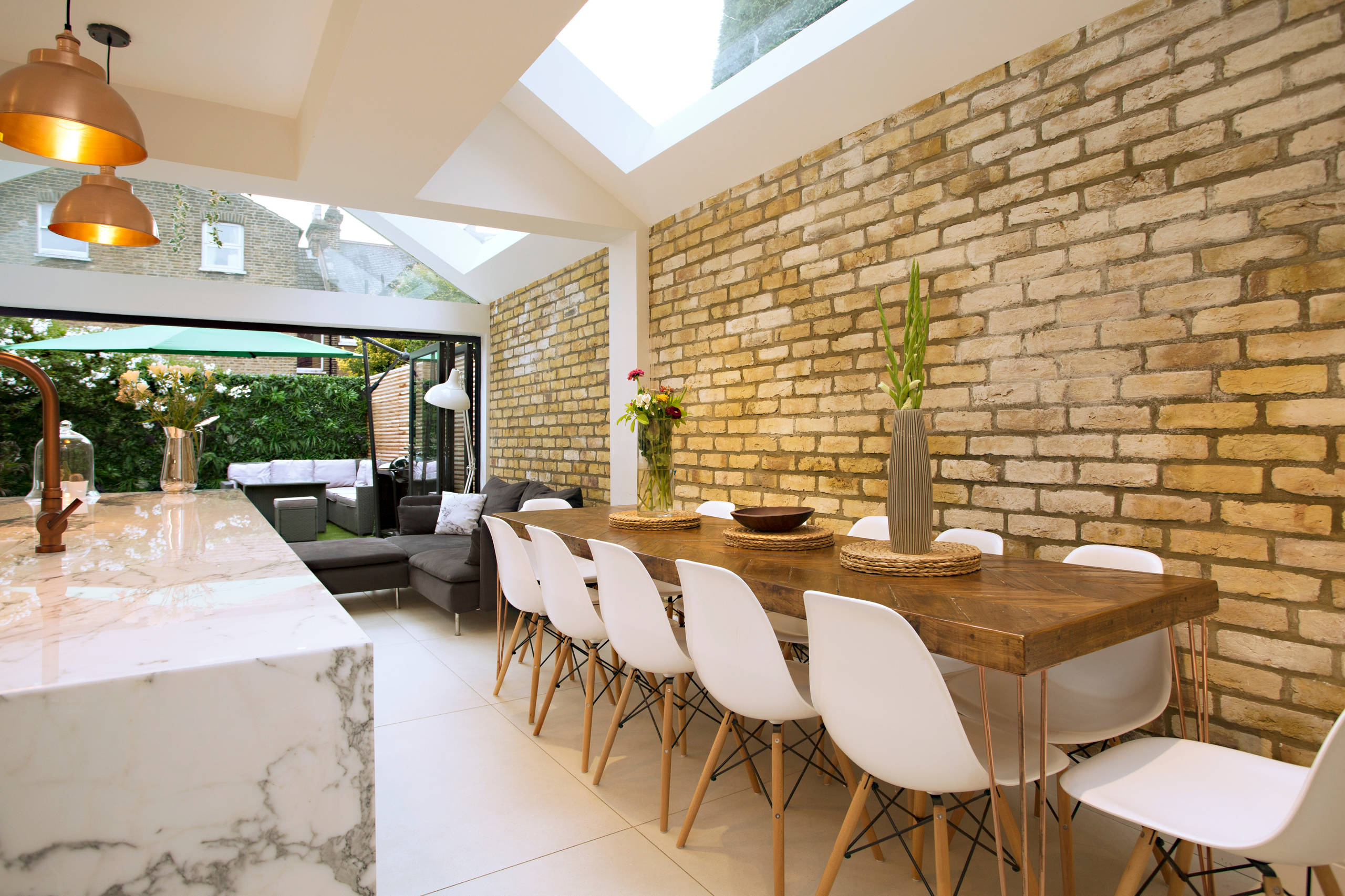
Typical cost range for a flat wraparound extension
The cost of a flat wraparound extension depends on several variables, including build complexity, material choices, access constraints, and structural requirements. While every project is different, a realistic budget range generally falls between £90,000 and £130,000.
This figure should be treated as a guide rather than a fixed price, as individual circumstances can significantly affect final costs.
Final thoughts
A flat wraparound extension isn’t suitable for every property, but for the right ground-floor flat it can be a highly effective way to gain space, flexibility, and long-term value. The key is understanding permissions, ownership constraints, and design strategies early on—particularly around light and layout.
.png)

.jpeg)


With over 500+ projects completed nationwide.



