Creating a calm and minimalist living room

If you’re attracted to interiors that feel light, uncluttered, and intentional, a minimalist approach to living room design may be the right fit. Rather than feeling cold or empty, well-executed minimalism creates a sense of calm and balance by focusing on what truly adds value to a space.
Below, we explore the principles behind minimalist living rooms and how you can apply them in your own home.
Understanding minimalist interiors
Minimalist design centres on simplicity, practicality, and visual clarity. Every element within the room has a purpose, and unnecessary decoration is stripped away. The result is a space that feels organised, spacious, and easy to live in.
This design style works particularly well in living rooms, where comfort and clarity are equally important.
Key characteristics of a minimalist living room
Subtle and restrained colour choices
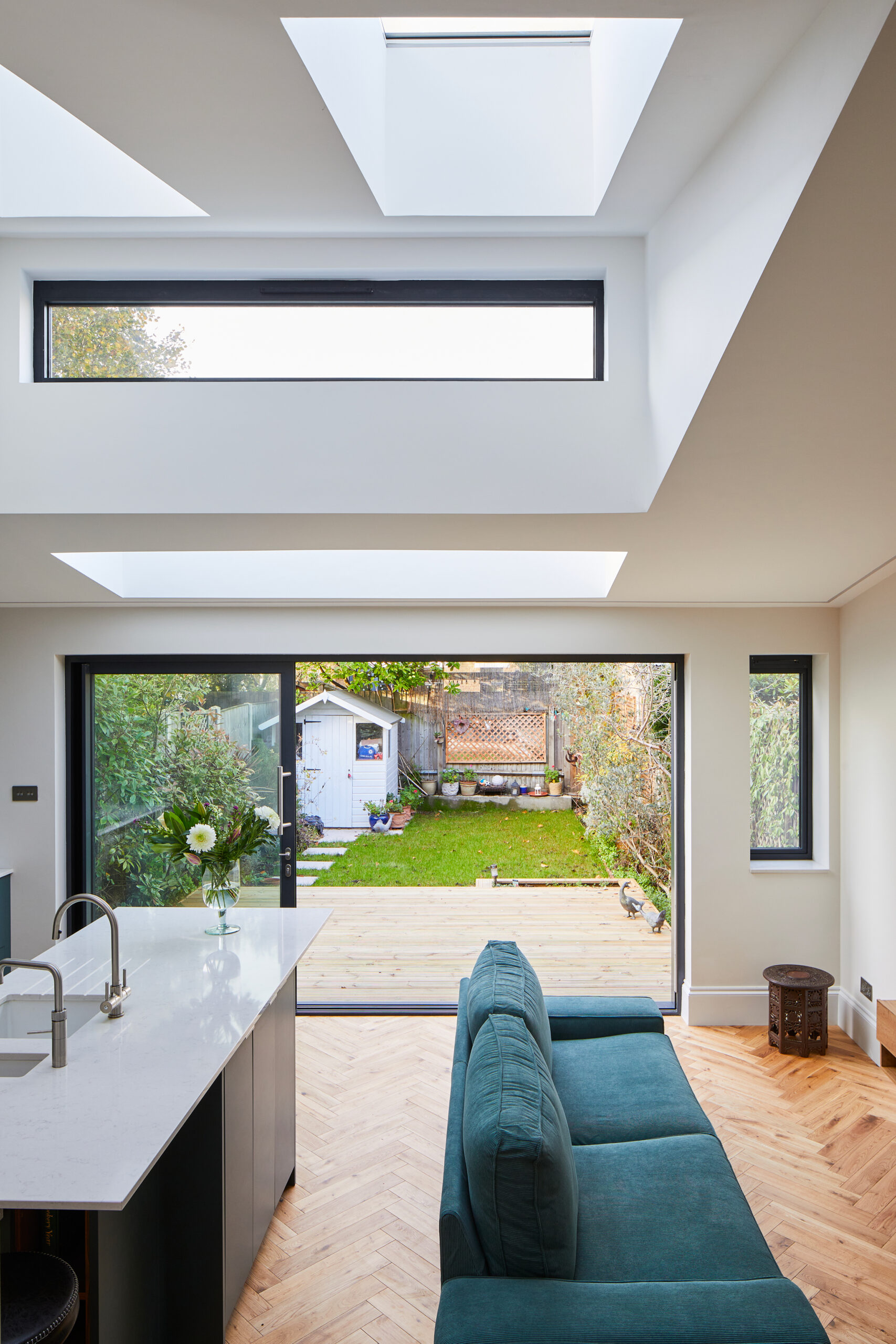
Minimalist interiors typically rely on calm, neutral tones to create a cohesive backdrop. Soft whites, warm creams, muted greys, and earthy shades help the room feel open and timeless. These palettes are also flexible, allowing you to refresh the space over time without committing to bold or short-lived trends.
A sense of openness and flow
Minimalist living rooms often feel spacious, even when the footprint is modest. Clear layouts, fewer visual interruptions, and thoughtfully arranged furniture help the room flow naturally from one area to another, creating a relaxed and sociable environment.
Simple forms and clean detailing
Furniture and architectural elements in minimalist spaces tend to feature straightforward shapes and crisp edges. Ornamentation is kept to a minimum, allowing the quality of materials and proportions to take centre stage. This simplicity gives the room a refined, contemporary feel without appearing overdesigned.
Maximising daylight
Natural light plays a central role in minimalist interiors. Large windows, light-reflective surfaces, and an absence of heavy window dressings all help brighten the room and enhance the feeling of space. Where daylight is limited, layered lighting can replicate this effect.
A clutter-free environment
Minimalism thrives on order. Items that don’t serve a clear purpose are removed, hidden, or avoided altogether. This doesn’t mean the space lacks personality — instead, it allows a few carefully chosen pieces to stand out and be appreciated.
Practical ways to achieve a minimalist look
Edit your belongings
Start by assessing what you truly need and enjoy in your living room. Removing unused or purely decorative items can instantly make the space feel calmer and more intentional.
Incorporate discreet storage
Smart storage solutions help maintain a clean visual appearance without sacrificing functionality. Built-in units, hidden compartments, and multi-purpose furniture allow everyday items to be stored out of sight while keeping the room easy to use.
Keep the palette consistent
When redecorating, stick to a limited colour range and repeat it across walls, furniture, and soft furnishings. Introducing contrast through texture rather than colour helps maintain interest while preserving simplicity.

Drawing inspiration for minimalist spaces
Minimalist design is highly dependent on balance and proportion, which is why visual references can be helpful when planning your own space. Studying different layouts, material combinations, and lighting approaches can help you refine your preferences and avoid overcomplicating the design.
A successful minimalist living room should feel calm, practical, and timeless — a space that supports everyday life without distraction.
.png)

.jpeg)




With over 500+ projects completed nationwide.



