Designing a flexible and open living space

Reimagining your home can be difficult when you’re used to seeing it the same way every day. Open living layouts offer a different approach to how space can be used, encouraging light, movement, and connection between areas. Whether your home already has an open configuration or you’re considering one, understanding how these spaces function can help you shape a layout that feels personal and practical.
Why open living layouts appeal to homeowners
Open layouts come with a mix of advantages and compromises. Below are some of the reasons many people are drawn to this way of organising their living space.
Encouraging connection
By reducing physical divisions, open layouts allow people to share the same space while doing different activities. This can help households feel more connected, as everyday moments are no longer confined to separate rooms.
Allowing light to travel further
Without walls interrupting the flow, daylight can spread across a wider area of the home. This often makes interiors feel brighter and more welcoming, especially in properties where light may otherwise be limited.
Supporting social occasions
Open living areas naturally lend themselves to gatherings. The ability to move freely between seating, dining, and kitchen zones creates a relaxed atmosphere that works well for hosting and informal socialising.
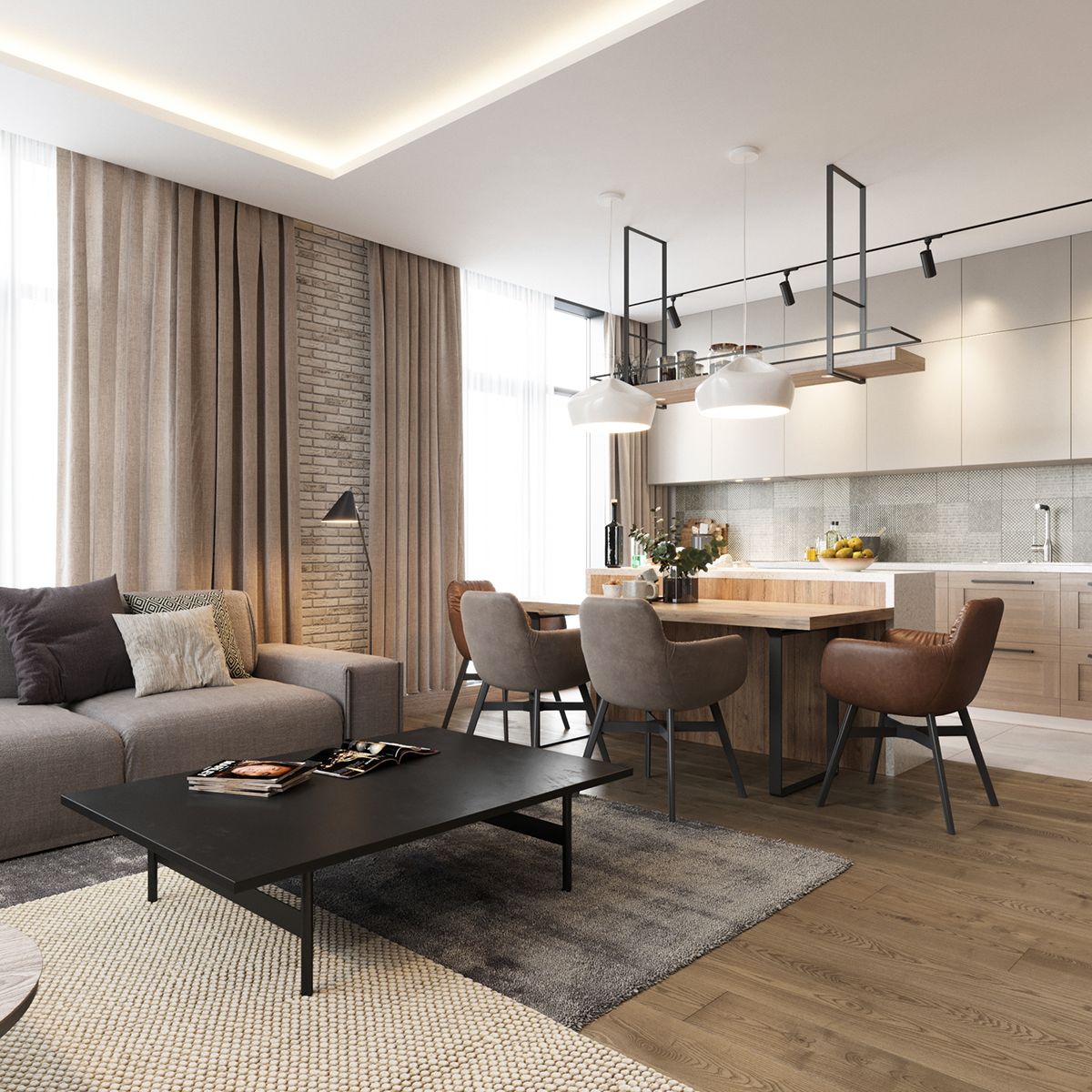
Practical design considerations for open living
Establish visual continuity
A sense of unity is key in open layouts. Using a restrained colour scheme and repeating materials across different zones helps the space feel intentional rather than disjointed.
Introduce subtle zoning
While openness is appealing, it can sometimes reduce privacy. This can be addressed through non-permanent dividers such as shelving units, sliding screens, or changes in flooring and lighting to gently define different areas without fully enclosing them.
Plan for comfort and warmth
Larger, open spaces can be harder to keep warm. Thoughtful insulation, well-positioned heating, and the use of soft furnishings can help maintain comfort without compromising the openness of the layout.
Stay organised
Because everything is visible within an open layout, clutter can quickly disrupt the sense of calm. Integrated storage and clear organisational systems help maintain a clean and balanced environment.
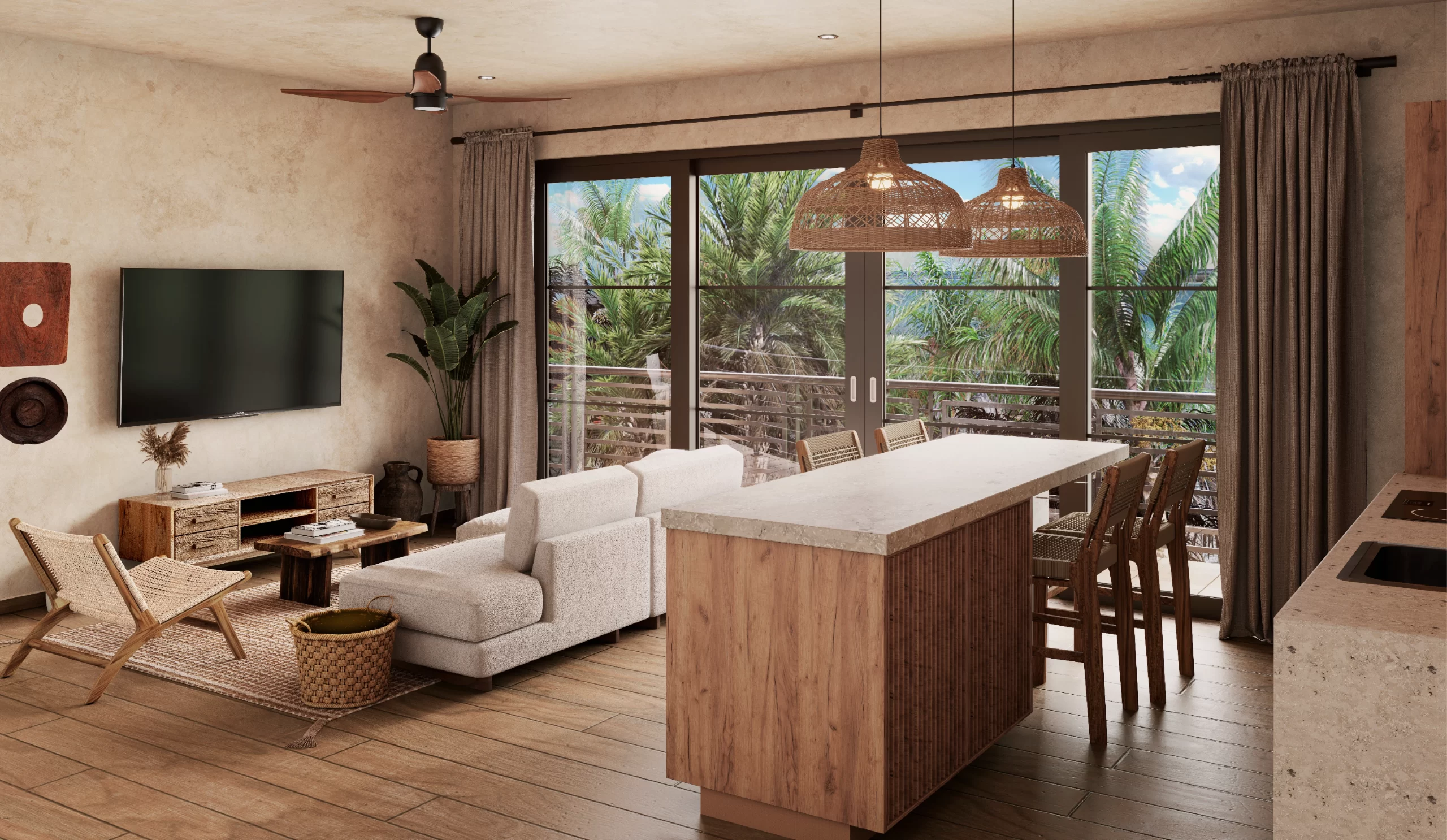
Finding inspiration for open living interiors
Seeing how different layouts, materials, and styles work within open spaces can make the design process far easier. Exploring a range of approaches — from structured and minimalist to warm and layered — can help you identify what suits both your lifestyle and the proportions of your home.
A well-designed open living area should feel adaptable, comfortable, and coherent, offering flexibility without sacrificing a sense of order.
.png)

.jpeg)


With over 500+ projects completed nationwide.



