Designing a home that supports you for the long term

At some point, many homeowners stop thinking about short-term fixes and start asking a bigger question:
How can my home continue to work for me as life changes?
We hear this shift often when speaking with homeowners at the early stages of a renovation or extension. It’s less about adding space for the sake of it, and more about creating a home that feels settled, comfortable, and future-proof — a place you can realistically imagine staying in for many years.
This is what people usually mean when they talk about a “forever home”. Not a perfect or static property, but one that’s been carefully adapted to suit the way you live now, and the way you’re likely to live later.
In this guide, we’ll walk through the most important things to think about before committing to long-term changes to your home — from flexibility and layout to character and location — so you can make confident, well-informed decisions.
Understanding the idea behind a long-term home
When people talk about a “forever home”, they’re rarely being literal. It’s not about promising you’ll never move again. Instead, it’s a way of describing a home that feels settled — somewhere you can see yourself staying because it continues to work for you as life changes.
For most homeowners, this idea carries emotional weight. It’s about comfort, security, and a sense that your home supports your lifestyle rather than restricting it.
Creating a home like this means balancing ambition with realism. Structural upgrades, layout changes, and everyday practicality need to be thought through early, so your budget and decisions support both long-term durability and thoughtful design.
From working with homeowners at different stages of renovation, three recurring priorities tend to define homes that genuinely stand the test of time.
Designing spaces that can change with you
One of the clearest patterns homeowners mention is the need for flexibility. A home built for the long term isn’t fixed in its purpose — it adapts as your routines, responsibilities, and priorities evolve.
That flexibility might show up in simple, practical ways, such as:
- A dining space that also functions as a work area
- An extension that shifts from nursery to guest room to space for older relatives
- Rooms planned so their use can change without major building work
Homes that cope best over time are those designed to respond to change, rather than resist it.
- Questions worth considering
- Are there upcoming life changes that could affect how you use your space?
- How often do you work from home, and could that increase in future?
- Do hobbies or daily routines need dedicated room to grow?

Practical ways to build in flexibility:
Plan storage properly
Good storage keeps rooms adaptable. When clutter is hidden away, spaces can switch purpose easily without feeling cramped or chaotic.
Increase usable space where possible
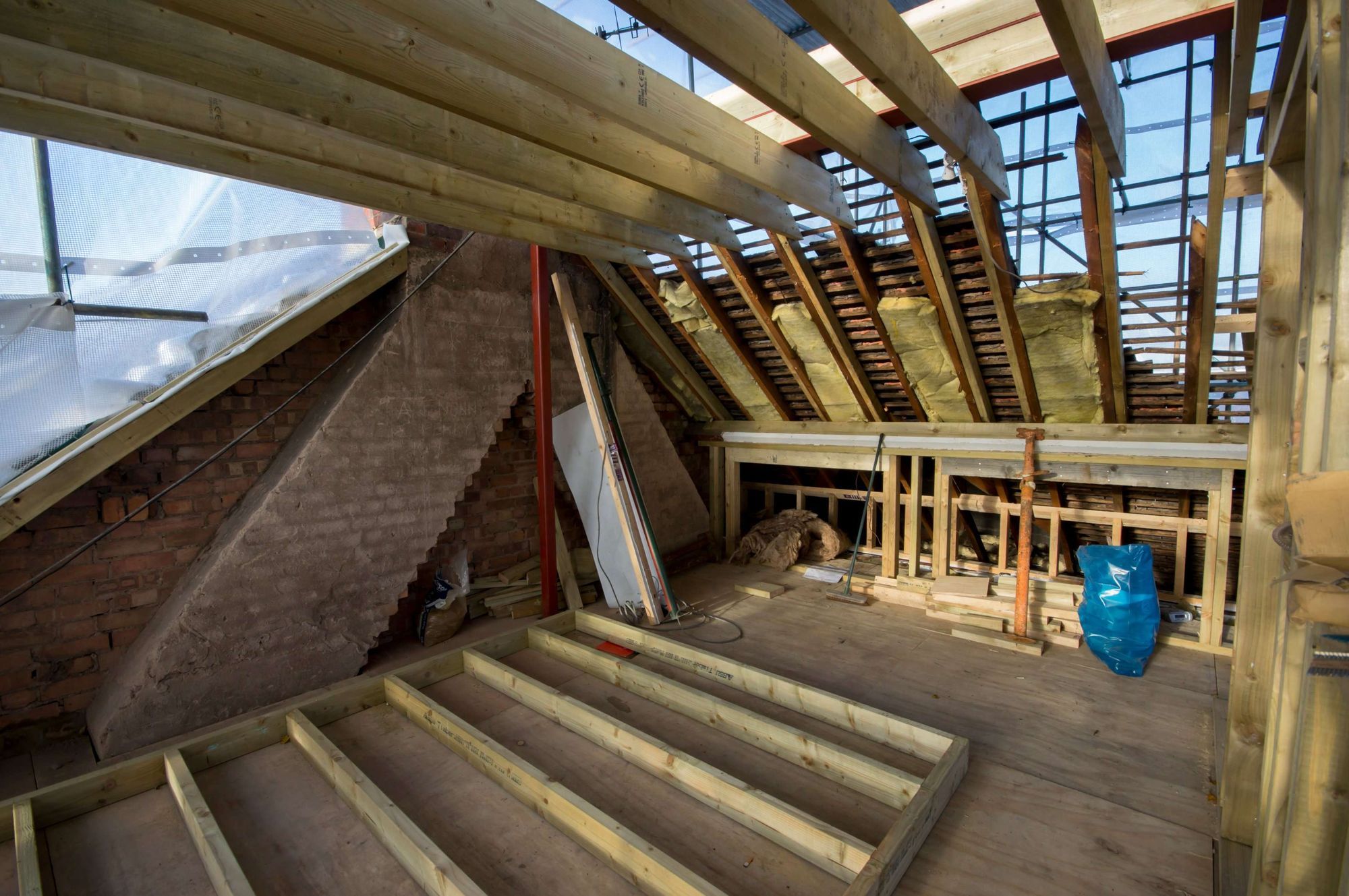
More square metres generally means more options. Loft conversions and home extensions are often the most effective way to improve flexibility without needing to move.
Creating a home that feels unmistakably yours
Homes designed for the long term tend to feel personal. They aren’t dictated by trends or standard layouts — they evolve gradually and reflect the people living in them.
What often separates a long-term home from a temporary one is intention. Thoughtful choices, made over time, help a property feel settled and emotionally connected.
Questions to guide your decisions
- What styles or finishes do you genuinely enjoy, regardless of fashion?
- Have you set a realistic budget, including contingency?
- Are there interests or habits you want your home to support?
Ways to add individuality
Be open about your influences
When discussing plans with your project team, explain how you live day to day. Homes work best when design decisions are led by lifestyle, not just layouts.
Reuse and rework where possible
Upcycling furniture or retaining original materials adds character and creates features that feel unique, practical, and long-lasting.
Thinking carefully about location and surroundings
While layouts and interiors can change, location is far harder to alter. That makes it one of the most important considerations when planning a home you intend to stay in.
Beyond convenience, it’s worth understanding any planning restrictions early on. Homes in Conservation Areas or protected zones may face limitations on future extensions or alterations, which can affect long-term plans.
Daily life matters just as much — noise, views, access to amenities, and commuting patterns all shape how a home feels over time.
Questions to ask before committing
- Do you need easy access to schools, healthcare, or transport?
- How will your work routine fit with the location?
- Does the area support the lifestyle you want long term?
Practical checks that make a difference
- Pay attention to views from the property — they often influence long-term satisfaction more than expected.
- Create a clear list of essentials, nice-to-haves, and deal-breakers before viewings.
- Visit the area at different times of day to understand how it really functions.

Bringing everything together
A home built for the long term isn’t defined by size, style, or budget. It’s defined by how well it supports your life — now and in the years ahead.
With adaptable spaces, thoughtful planning, and a clear sense of what matters to you, it’s possible to shape a home that grows with you rather than one you quickly outgrow.
If you’re exploring ways to improve or extend your home, reviewing real renovation examples can help clarify what’s possible and what feels right for you.
.png)

.jpeg)

With over 500+ projects completed nationwide.



