Designing a Seamless Kitchen and Living Space That Actually Works

Combining the kitchen and living area has become one of the most impactful ways to reshape how a home feels and functions. Rather than treating cooking, relaxing and socialising as separate activities in separate rooms, this approach brings them together into one adaptable, shared space.
For many homeowners, this layout isn’t about following a trend — it’s about making everyday life easier, brighter and more connected.
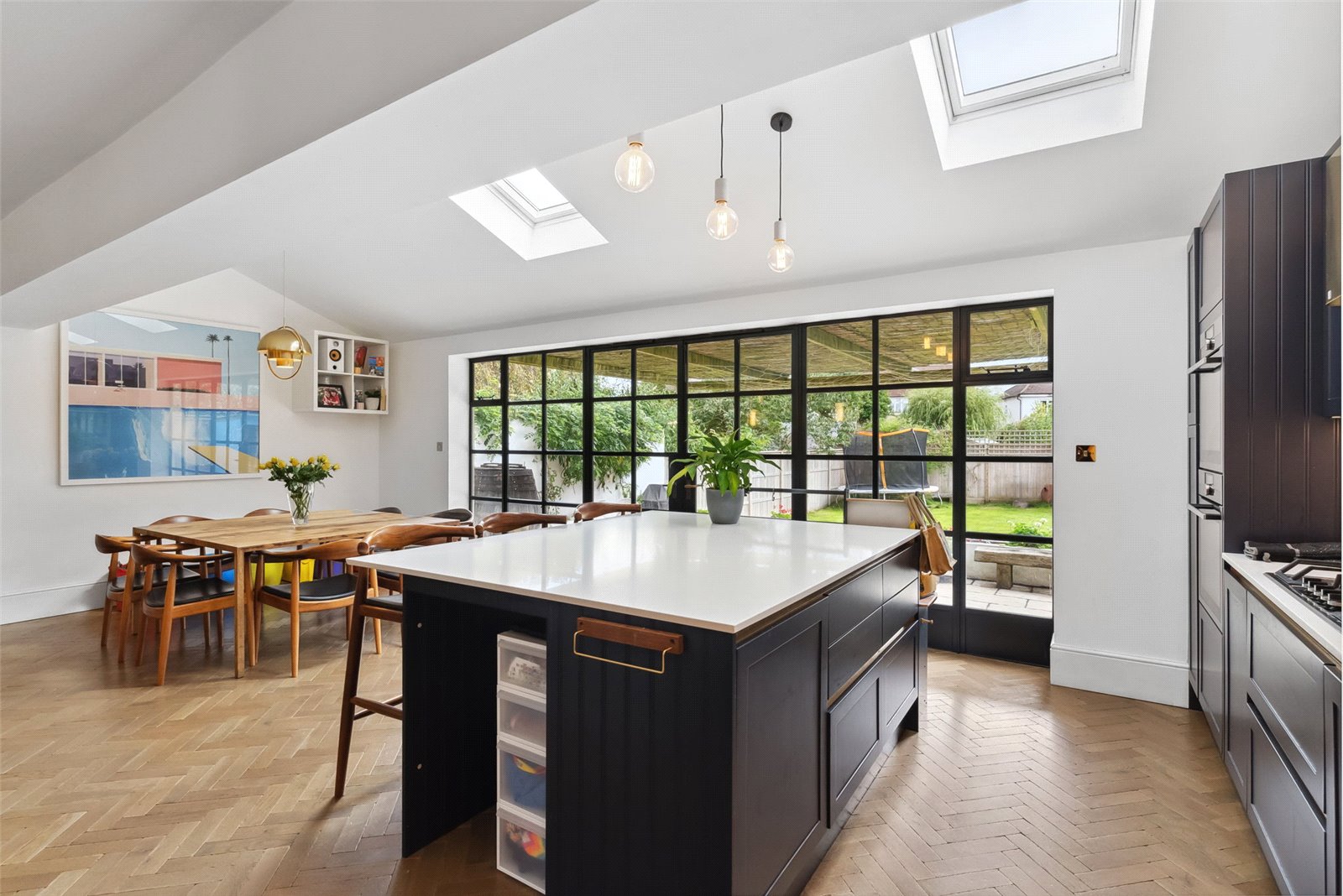
Why blending kitchen and living areas has become so popular
One of the main reasons homeowners gravitate towards combined layouts is the sense of openness they create. Removing internal walls allows light to travel further through the home and makes even modest footprints feel larger.
A well-planned kitchen–living space can:
- Encourage interaction between family members and guests
- Make entertaining feel more relaxed and informal
- Reduce dark or underused areas of the home
- Adapt more easily to changing routines and lifestyles
Instead of isolating activities, everything happens in one shared environment — without feeling cramped or chaotic.
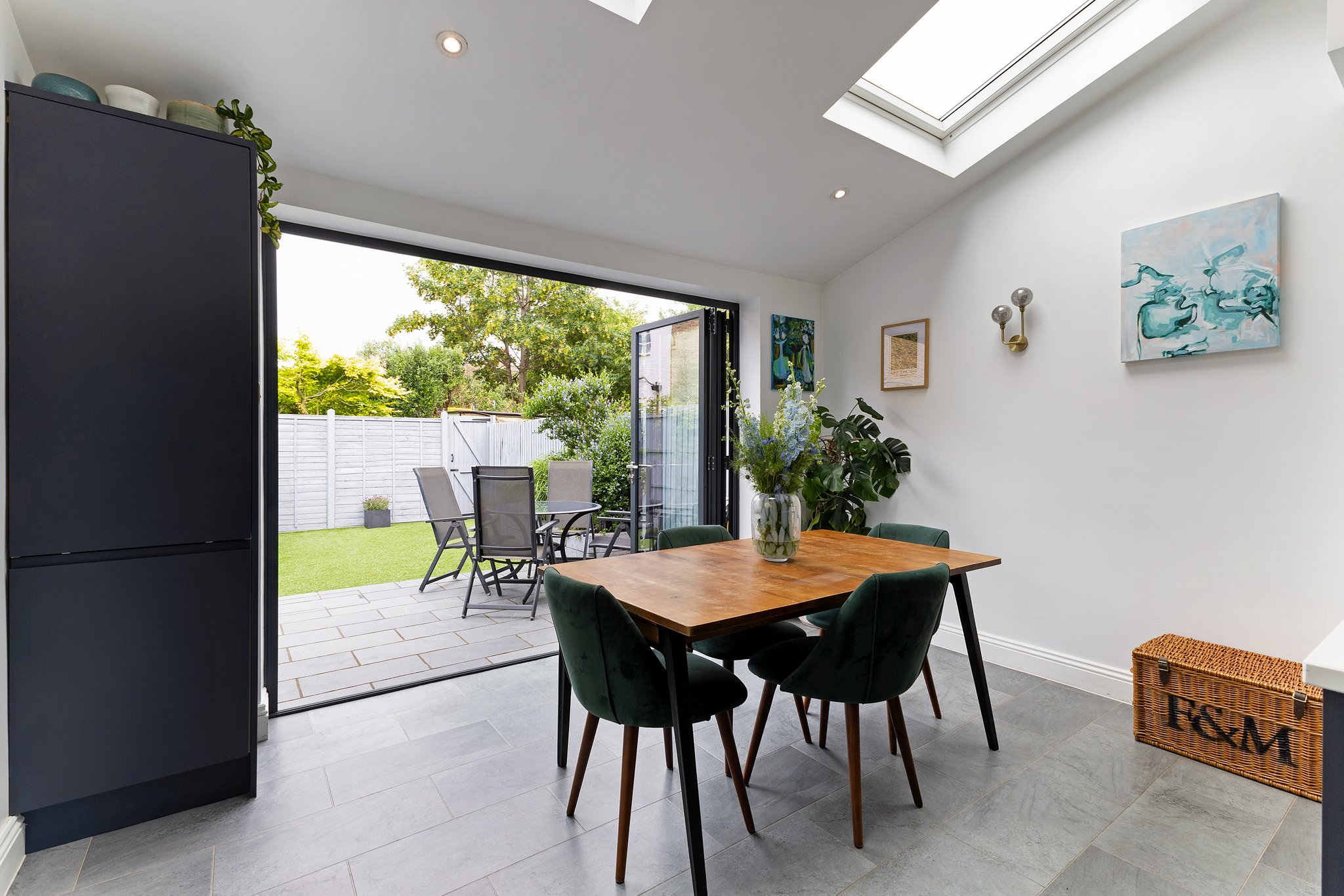
Planning the layout: openness without losing structure
The biggest misconception about open layouts is that they require a completely open, undefined space. In reality, the most successful designs introduce subtle structure.
Use layout to define purpose
Kitchen islands, dining tables and seating arrangements naturally guide how the space is used. These elements help establish clear functions without the need for walls.
Let materials do some of the work
Changes in flooring, ceiling treatments or lighting can quietly separate zones while maintaining visual continuity. This approach keeps the space flowing but purposeful.
Think ahead about storage and sound
Open spaces show everything — which means storage needs to be well thought through. Integrated cabinetry and concealed appliances help keep the space calm. Soft furnishings, rugs and curtains can also help manage acoustics.
Introducing comfort into the kitchen environment
A combined kitchen and living space works best when it feels genuinely comfortable, not just practical. This is where softer elements come in.
Adding a seating area, whether that’s a sofa, armchairs or a built-in bench, can shift the kitchen from a purely functional zone into a place where people naturally linger. For family homes, this also allows children to stay nearby without being underfoot.
In larger spaces, a relaxed lounge corner can act as a visual buffer between cooking and dining areas, making the overall layout feel more balanced.
Choosing a style that suits your home
Because kitchen–living areas are so visible, the design style you choose carries more weight than it might in a closed-off room. The goal is cohesion rather than perfection.
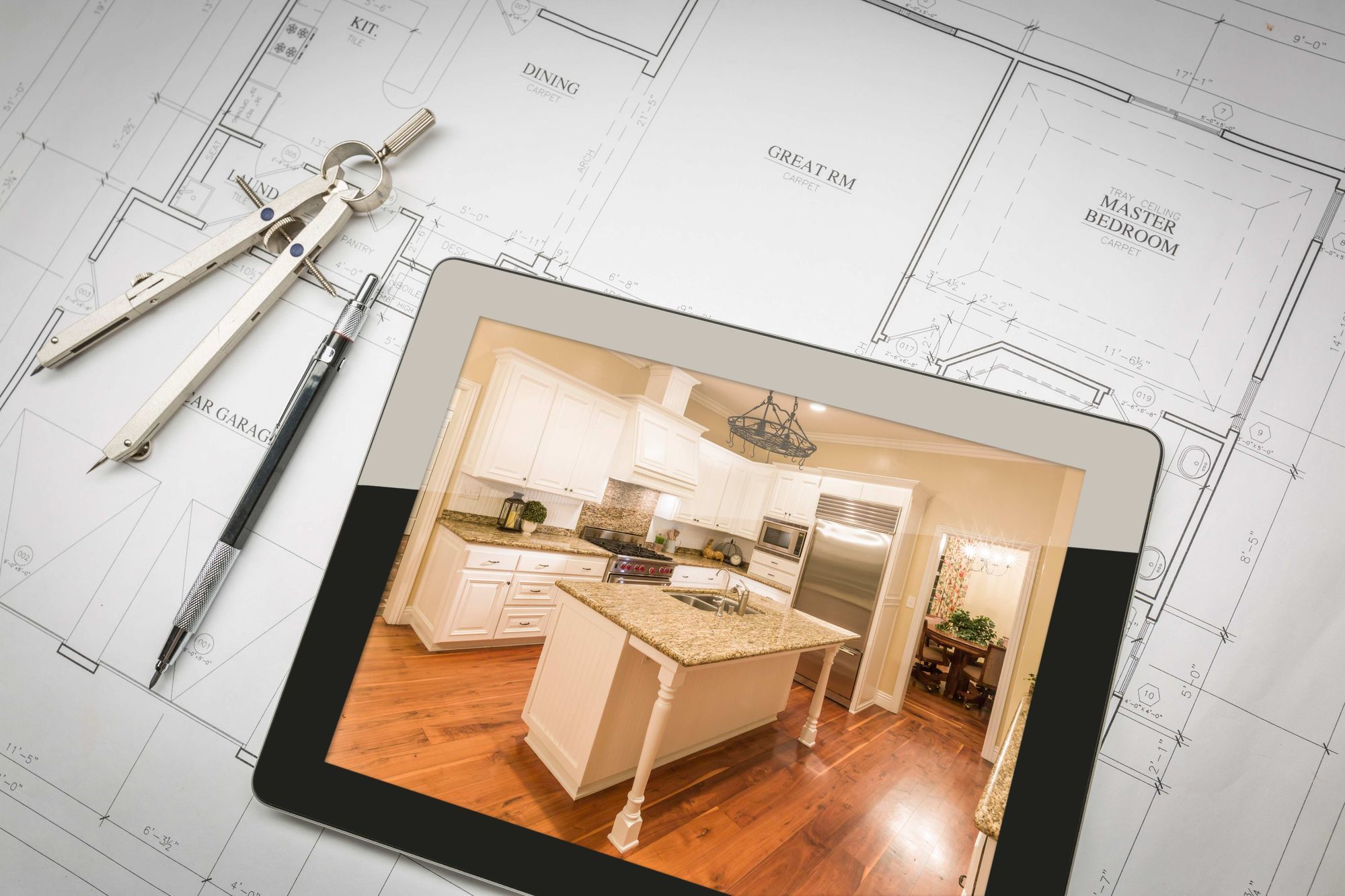
Some homeowners lean towards clean, modern finishes to keep things feeling uncluttered. Others prefer warmer materials and softer colours to make the space feel lived-in and welcoming. Visualisation tools can be particularly useful here, allowing you to test different looks before committing.
Turning ideas into a finished space
A combined kitchen and living area can transform how your home is used day to day — but the design needs to respond to how you actually live. That means considering routines, noise levels, storage needs and how the space will feel when it’s busy, not just when it’s styled.
If you’re thinking about reworking your kitchen into a shared living space, getting early advice can help you avoid common layout mistakes and make the most of what you already have.
.png)

.jpeg)


With over 500+ projects completed nationwide.



