Do Garage Conversions Need Planning Permission?

If you’re thinking about turning your garage into a home office, gym, bedroom, or playroom, one of the first questions that usually comes up is whether planning permission is required.
The good news is that most garage conversions can move forward without a full planning application. That’s because these projects focus on repurposing space you already have, rather than adding new volume to the building.
Below is a clear breakdown of when planning permission is — and isn’t — needed.
When Planning Permission Is Usually Not Required
In most cases, a garage conversion falls under permitted development. This means you can proceed without applying for planning permission, as long as the work meets specific criteria.
Generally, permission is not needed if:
- All work is carried out within the existing structure
- The garage is not being extended or enlarged
- External alterations are minimal and in keeping with the main house
Because of these allowances, the majority of garage conversions are approved without involving the planning system.
What Permitted Development Allows
Permitted development rights set out clear limits on what you can do without submitting a planning application.
A garage conversion will typically qualify if:
- Changes are internal only
- The overall footprint and height of the building stay the same
- Any visible alterations use materials that match the existing property
However, converting a detached garage into full-time living accommodation — such as a bedroom, living area, or self-contained space — may fall outside these rights and require approval.
Situations Where Permission May Be Needed
Not all homes benefit from permitted development rights. You are more likely to need planning permission if:
- The property is a flat or maisonette
- The building is listed
- Permitted development rights have been removed on the site
- The home sits within a designated conservation area
If your situation isn’t clear-cut, it’s always safer to seek advice before starting work.
Why a Lawful Development Certificate Is Worth Getting
Even when planning permission isn’t required, many homeowners choose to apply for a lawful development certificate.
This document confirms that your garage conversion was legally permitted at the time it was built. While not compulsory, it offers reassurance to future buyers and protects you if planning rules change later on. It also allows you to proceed with construction knowing your position is formally recorded.
Building Regulations Still Apply
Planning permission and building regulations are not the same thing. Even if your garage conversion doesn’t need planning approval, it must still comply with building regulations.
These rules ensure the converted space is safe, comfortable, and suitable for everyday use. They cover areas such as:
- Structural integrity
- Fire safety
- Moisture and insulation performance
- Ventilation and air quality
- Sound insulation
- Drainage and waste
- Energy efficiency
- Electrical safety
- Accessibility and safe movement
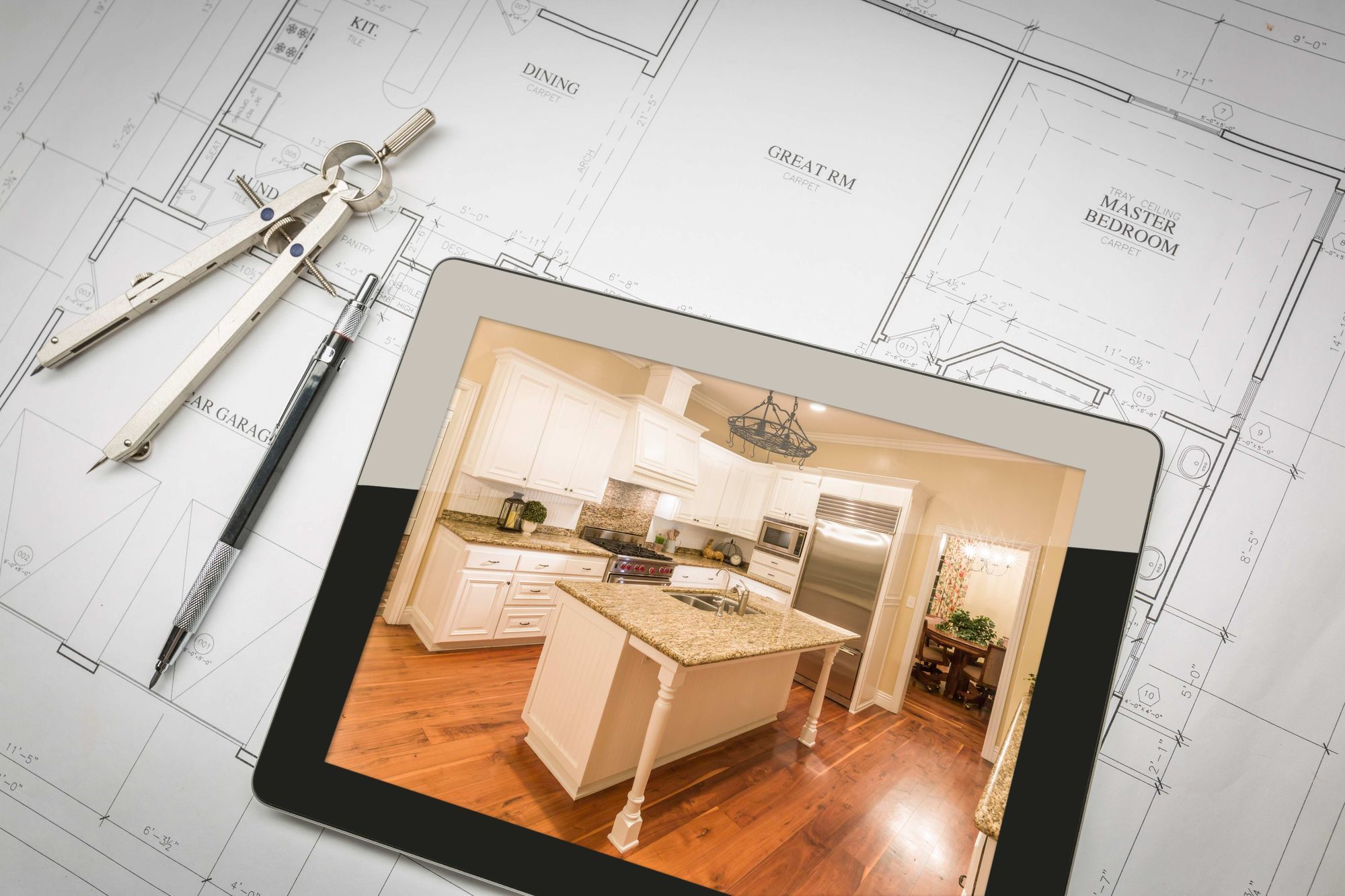
To meet these standards, detailed technical drawings are usually prepared so builders know exactly how the conversion must be constructed.
Final Takeaway
Most garage conversions can be completed without planning permission, provided the work stays within the existing structure and permitted development rules apply. However, building regulations are always required and should be planned for from the outset.
If you’re unsure which route your project falls under, getting clarity early can save time, money, and stress later on.
.png)

.jpeg)


With over 500+ projects completed nationwide.



