Do you need an asbestos survey for your home?

Asbestos may sound like a problem from another era, but it’s still found in many homes across the UK — particularly those built before 2000. Although its use was fully banned at the end of the 1990s, materials containing asbestos remain in older properties and often go unnoticed until renovation work begins.
This is where an asbestos survey becomes important. It helps homeowners understand whether asbestos is present, where it is located, and whether it poses a risk before any work is carried out.
What exactly is asbestos?
Asbestos is a naturally occurring mineral made up of tiny fibres. For decades, it was widely used in construction because it resists heat, fire, chemicals and moisture.
When asbestos-containing materials are intact and undisturbed, they are generally considered low risk. Problems arise when these materials are damaged or broken, releasing fibres into the air that can be inhaled. Long-term exposure to these fibres has been linked to serious health conditions, including lung disease and certain cancers.
There are two main asbestos groups:
- Serpentine (chrysotile or white asbestos) – the most commonly found type in homes and banned in 1999
- Amphiboles (including blue and brown asbestos) – considered more hazardous and banned earlier, in 1985
When an asbestos survey is strongly recommended
Homeowners are not legally required to commission an asbestos survey for private residences. However, it is often a sensible step in certain situations, particularly where materials may be disturbed.
You may want to arrange a survey if:
- You are buying a property built before 2000
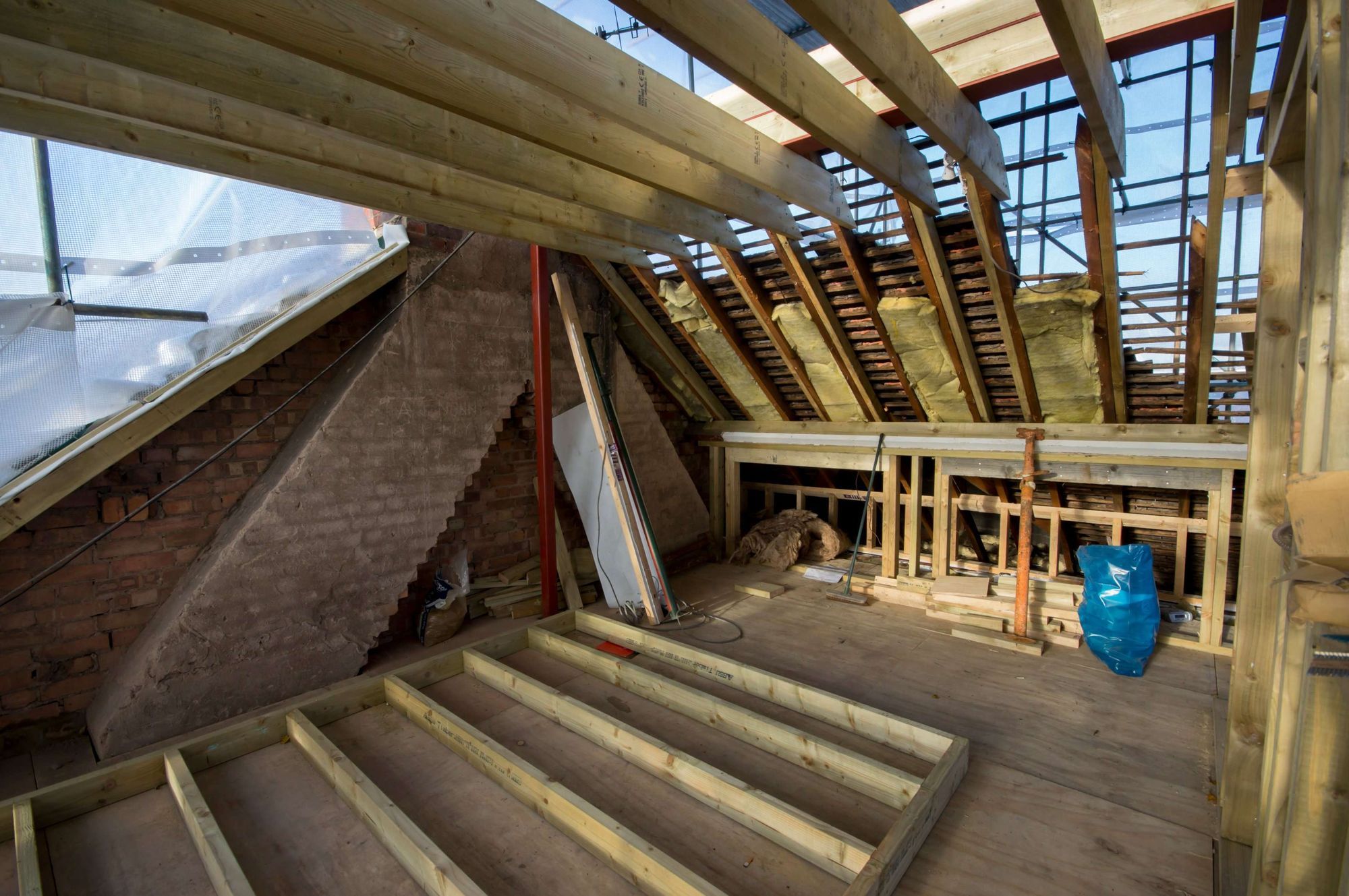
- You plan to renovate, extend or demolish part of your home
- Utility providers request confirmation before carrying out work
- You intend to rent out the property
- You are placing the property into a pension or investment vehicle
Asbestos becomes a concern primarily when building materials are altered or removed, or when you need clarity on how it may affect the value or use of the property.
Important note for landlords:
If you plan to let your home, you are required to understand and manage asbestos risks in shared or communal areas, such as stairwells, roof voids and parking areas.
What happens during an asbestos survey?
Asbestos surveys are carried out by trained specialists who know how to identify asbestos-containing materials (ACMs). They assess any part of the building where asbestos could reasonably be present.
A typical survey involves:
- Identifying whether asbestos is present and recording its location
- Assessing the condition of the material and how accessible it is
- Determining the type of asbestos, either through sampling or visual assessment where sampling isn’t possible
Once complete, you’ll receive a detailed report explaining the findings and outlining any recommended next steps.
What if asbestos is found?
Discovering asbestos doesn’t automatically mean urgent removal is needed. In many cases, asbestos can safely remain in place if it is:
- In good condition
- Undisturbed
- Located in an area that is unlikely to be accessed
If the material is damaged, deteriorating, or easily accessible, professional removal or encapsulation is usually advised.
Any asbestos identified should always be disclosed to builders, contractors or tradespeople working on the property to ensure work is carried out safely.
Making informed decisions before you build
An asbestos survey provides clarity and peace of mind, particularly if you’re planning changes to your home. Understanding what’s behind your walls or ceilings before work begins can help avoid delays, unexpected costs and health risks later on.
If you’re unsure whether a survey is right for your property, speaking with a qualified professional can help you decide on the safest next step.
.png)

.jpeg)



With over 500+ projects completed nationwide.



