Ecological Surveys Explained: When Wildlife Can Affect Your Build

Wildlife is often one of the things people love most about where they live. But when plans turn to extending or altering a home, nature usually isn’t top of the checklist. In reality, plants and animals can play a decisive role in whether a project is approved — and how it needs to be designed.
If your property sits close to certain habitats, your local authority may require evidence showing how proposed works could affect the surrounding environment. This is where an ecological survey comes in.
Below, we explain when an ecological survey is needed, what it involves, and how it fits into the planning process.
When an ecological report is required
Planning authorities typically request ecological input when there is a reasonable likelihood that protected species may be present on or near a site. This includes species protected under UK and European legislation.
Sites that often trigger further investigation include properties with:
- Older or traditionally constructed buildings, including barns and timber-framed structures
- Large gardens in suburban, semi-rural or rural locations
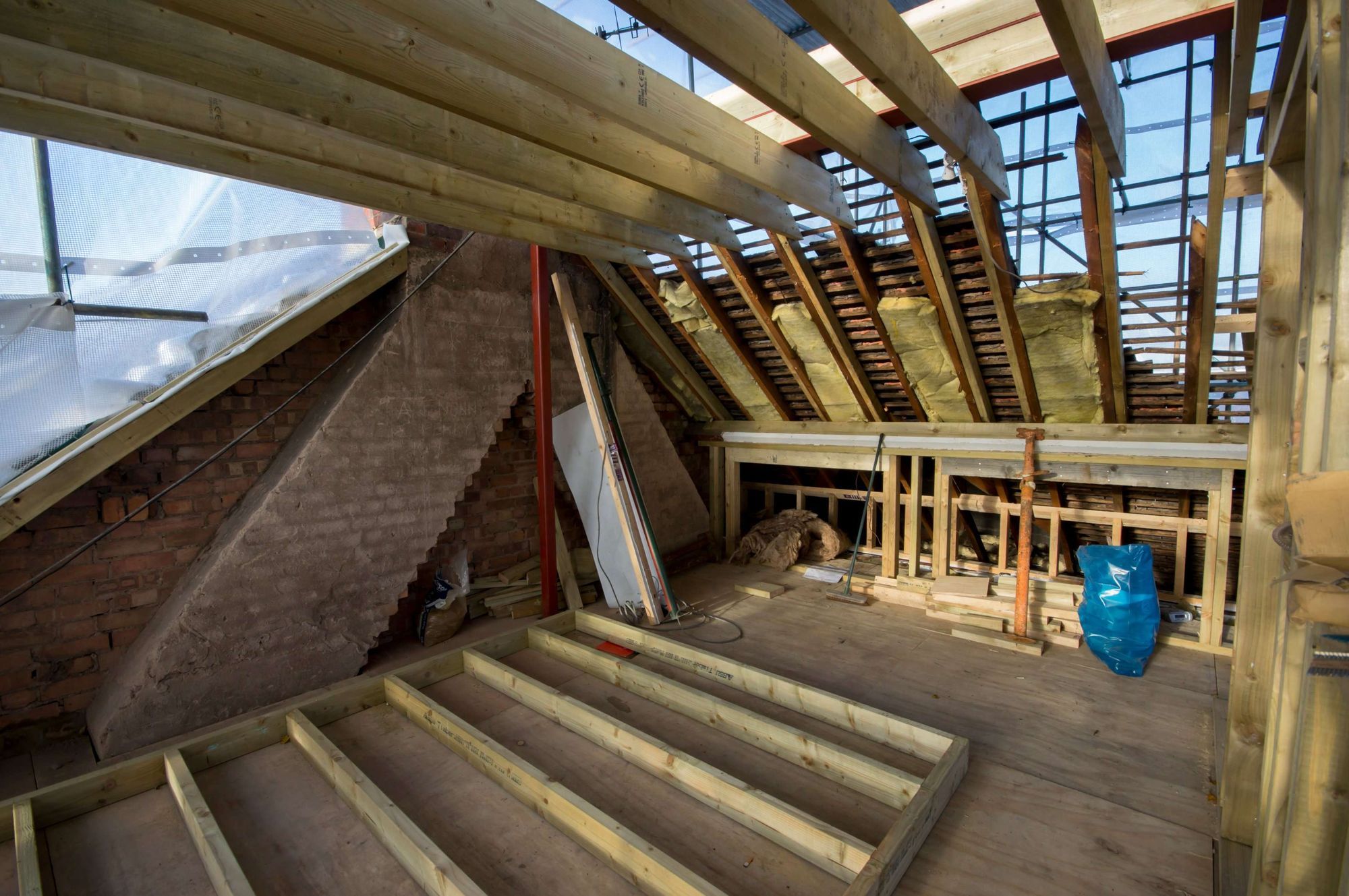
- Roof spaces with voids, exposed timbers, gaps or irregular coverings that could allow wildlife access
- Ponds, streams, lakes or drainage features on or near the site
- Nearby meadows, parkland, pasture or unmanaged land
- Woodland, hedgerows or dense scrub close to the property
- Ditches or ponds within approximately 500 metres
- Coastal or waterside environments
- Mature trees or complex natural features that could support wildlife
An ecological survey may also be required if records show protected species within around 2km of your property, even if they are not immediately visible on site.
What actually happens during an ecological survey?
Ecological surveys aren’t one-size-fits-all. The scope depends on the type of habitat present and which species may be affected.
Common species-specific surveys include those for:
- Bats
- Great crested newts
- Dormice
- Reptiles
- Amphibians
- Badgers
- Otters
- Water voles
- Invertebrates
Before any detailed survey is commissioned, an ecologist will usually carry out a Preliminary Ecological Appraisal (PEA). This is a high-level site walkover that identifies habitats, potential risks and the likelihood of protected species being present.
The findings of this initial appraisal determine whether further, more detailed surveys are required — and which ones.
What happens if protected species are found?
If a survey confirms or strongly suggests that protected species are present, your planning submission will need to demonstrate how the proposed works avoid harm or reduce impact.
This may involve:
- Adjusting the design or layout
- Timing construction to avoid sensitive seasons
- Introducing mitigation or compensation measures
- Preparing an ecological management or mitigation plan
Without this information, planning officers are unable to lawfully approve an application. This is why early coordination between your designer and ecologist is so important.
Getting the right advice early
Ecological requirements can feel daunting, particularly if you weren’t expecting wildlife to influence your plans. The key is understanding what applies to your site before drawings are finalised or applications submitted.
If you’re unsure which surveys your project may need, speaking to experienced professionals early on can save time, cost and frustration later. Ecological surveyors can advise on scope and timing, while your design team can ensure findings are properly reflected in the proposals.
If you’d like help understanding the survey process or finding qualified specialists near you, expert guidance at an early stage can make a significant difference to how smoothly your project progresses.
.png)

.jpeg)



With over 500+ projects completed nationwide.



