Expanding Your Garage: A Practical Guide for UK Homeowners

A garage extension is often overlooked, yet it’s one of the most flexible ways to add usable space to a home. Whether you’re looking to increase parking capacity, introduce a new room above, or connect the garage into your main living space, this type of project can adapt to a wide range of needs.
Before moving ahead, it’s worth understanding how garage extensions work in practice — from suitability and approvals through to cost and construction.
Is extending a garage the right move for your home?
Garage extensions work particularly well when you already have a structure that can be built upon or expanded without significantly changing the footprint of your home. They’re often chosen by homeowners who want additional space but are limited by garden size or plot boundaries.
This type of extension can support many outcomes: a larger garage, a utility area, a home office, or even a new bedroom above. The key question is whether the existing garage is well positioned and structurally capable of supporting your plans.
The main advantages of extending a garage
One of the biggest benefits of a garage extension is adaptability. Unlike some extensions that are locked into a single purpose, garage projects can evolve with changing household needs.
Additional internal space is the most obvious gain, whether that’s practical storage or a fully habitable room. When designed well, a garage extension can also improve how the rest of the home functions — for example, by creating better flow on the ground floor or freeing up space elsewhere.
There’s also the longer-term benefit of increased appeal to future buyers, particularly if the extension adds a bedroom or improves everyday usability.
How a garage extension project typically unfolds
While every project is different, most garage extensions follow a similar journey from concept to construction.
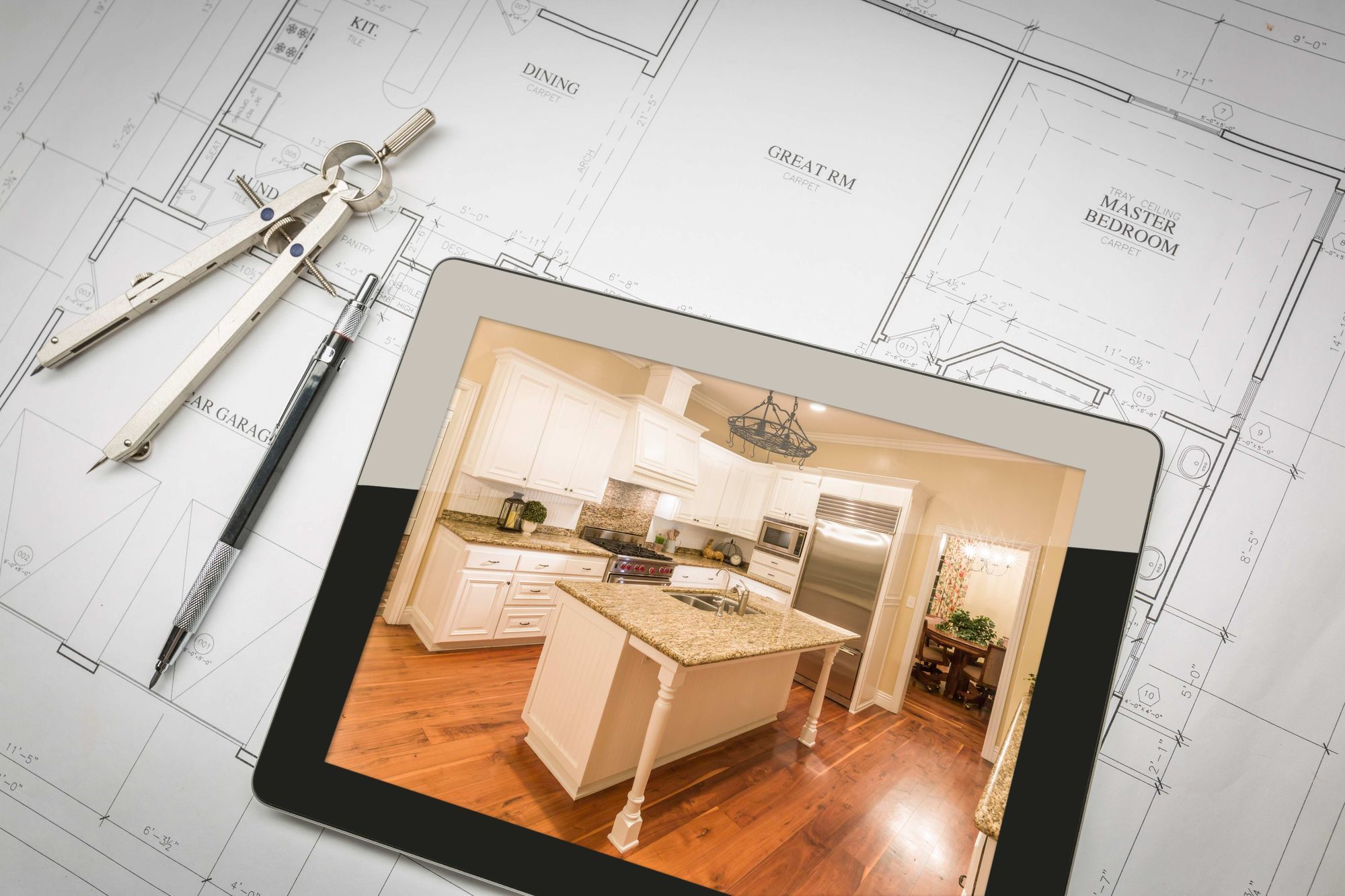
It usually starts with a measured survey of the existing garage, producing accurate drawings that inform every later stage. From there, design work translates your ideas into workable plans that meet both your needs and local requirements.
If approvals are required, this stage comes next. Some projects rely on permitted development rules, while others must go through a full planning application depending on size, height, and location.
Once permissions are resolved, technical design takes over. Structural calculations and building regulations details ensure the extension is safe, compliant and ready to build. If neighbouring properties are affected, party wall matters will also need addressing before work begins.
Only after this groundwork is complete does construction start, with contractors pricing against detailed information rather than assumptions.
What’s different about building above a garage?
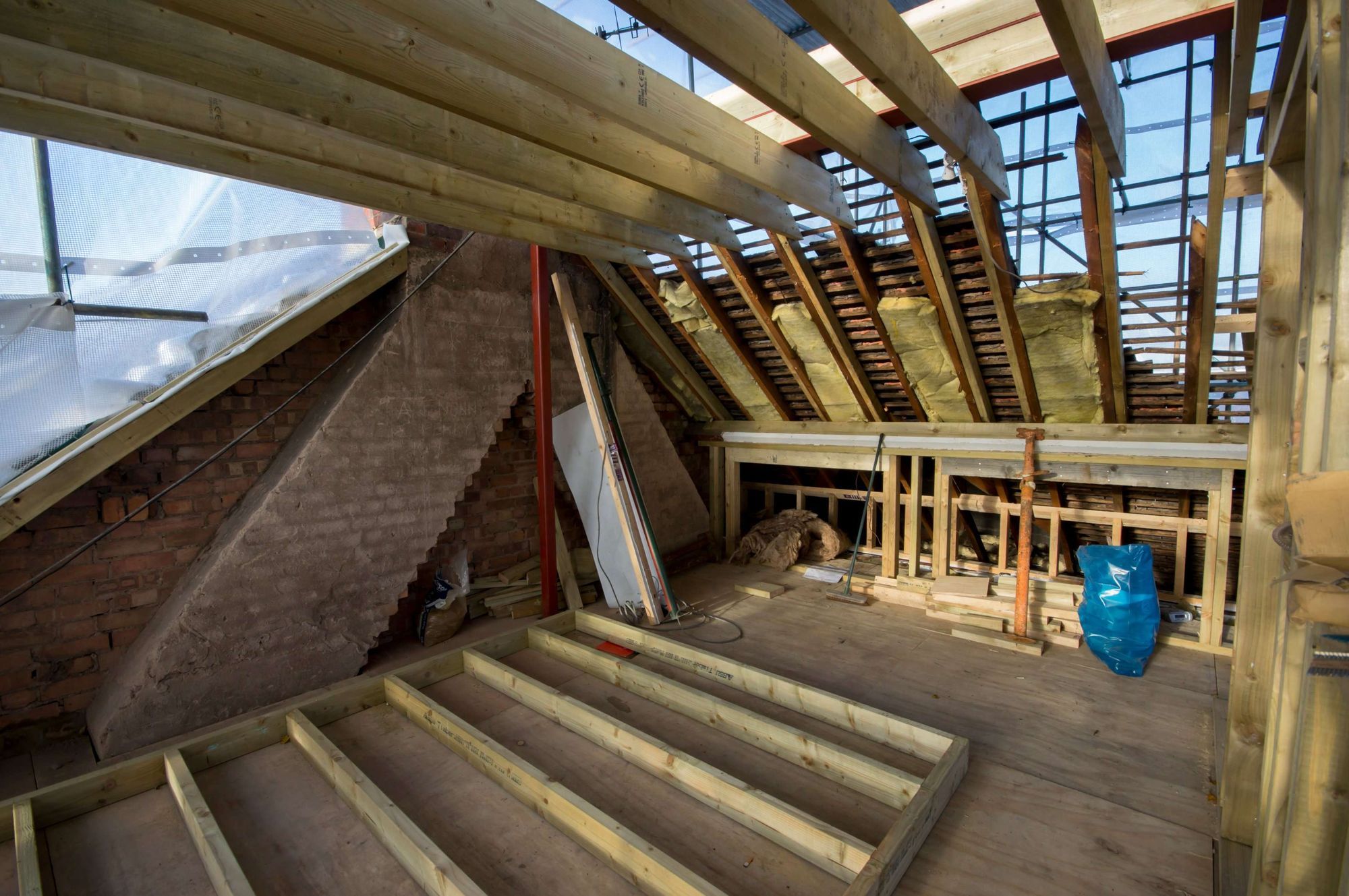
Creating a room over an existing garage introduces additional considerations. The original structure must be assessed to see whether it can support extra load. In some cases, foundations and walls need reinforcing; in others, rebuilding may be the more practical option.
This doesn’t make the project unviable, but it does mean early structural advice is essential to avoid costly surprises later on.
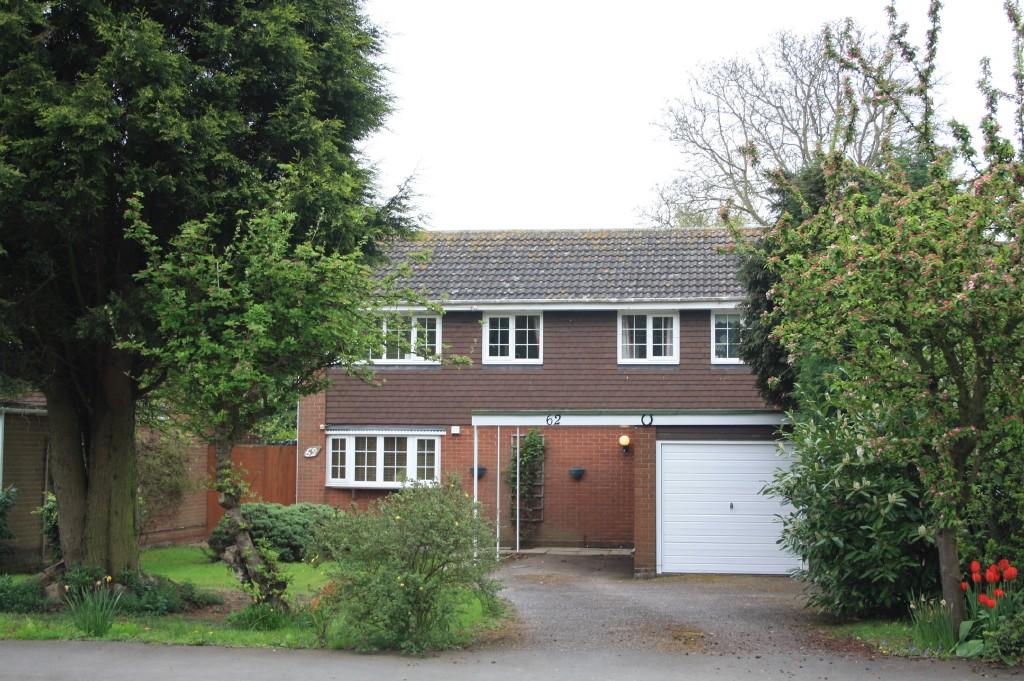
Cost considerations for garage extensions
Garage extension costs vary widely depending on complexity, location and finish level. Single-storey expansions and straightforward alterations tend to sit at the lower end, while adding a full room above or integrating the garage into the main house pushes costs higher.
Materials, contractor experience, site access and the condition of the existing garage all influence the final figure. Because of this, early professional input is the best way to establish a realistic budget range.
Planning permission: is it always required?
Not every garage extension needs full planning approval. Many smaller projects fall under permitted development, provided they stay within set limits and meet specific criteria.
That said, even when formal planning isn’t required, documenting compliance is still important. Securing written confirmation can protect you when selling your home and provide peace of mind that the work was carried out lawfully.
A garage extension can unlock valuable space without dramatically changing your home’s footprint — but success depends on careful planning and the right technical guidance from the start.
.png)

.jpeg)


With over 500+ projects completed nationwide.



