Fixer-Upper Homes: Practical Advice for First-Time Buyers

There’s something undeniably appealing about a fixer-upper. The idea of transforming a neglected property into a space that truly reflects you can feel exciting, optimistic and full of possibility. But buying a home that needs serious work is not a decision to take lightly. Whether your goal is a long-term family home or a stepping stone up the property ladder, renovation projects demand careful planning, emotional resilience and realistic expectations.
If you’re approaching your first fixer-upper with enthusiasm (and a healthy dose of nerves), these practical tips will help you navigate the process with confidence.
Is a fixer-upper the right choice for you?
The answer often depends on when you’re asked. Before purchase, the opportunity can feel full of promise. Mid-build, it may feel overwhelming. Once complete, most homeowners agree the journey was worth it — but only if the right decisions were made early on.
Before committing, it’s essential to understand both the property and its surroundings. Research the neighbourhood thoroughly, especially if you expect to live there for several years while work is underway. Location constraints, resale potential and nearby developments can all influence whether the project stacks up long-term.
A professional pre-purchase survey is also critical. Structural integrity, drainage, electrics and plumbing issues can drastically alter your budget if they’re discovered too late. Spending upfront to understand what you’re buying can prevent costly surprises and allow you to focus investment where it matters most.
Prepare yourself for the renovation reality
Renovating while living in a property can test even the most patient homeowners. Dust, noise, delays and constant decision-making are part of the process, particularly in older homes. Setting realistic expectations from the outset can make a significant difference to your experience.
If you plan to live on site, consider how disruption will affect your work, family life and mental wellbeing. In some cases, short-term alternative accommodation can actually reduce stress and help the project progress more efficiently.
Once the work is finished, however, many homeowners find the sense of achievement outweighs the challenges — especially when the result is a home designed around their needs.
Get professional input early
Engaging a qualified designer or architect early in the process can bring clarity to what’s achievable within your budget, timeline and property constraints. A well-thought-out design doesn’t just improve aesthetics — it helps coordinate works efficiently, identify risks early and prevent expensive rework later.
Professionals can also help you prioritise spending, flag planning considerations and advise on contractors, materials and construction sequencing. For first-time renovators especially, this guidance can be invaluable.
Design support isn’t just about style
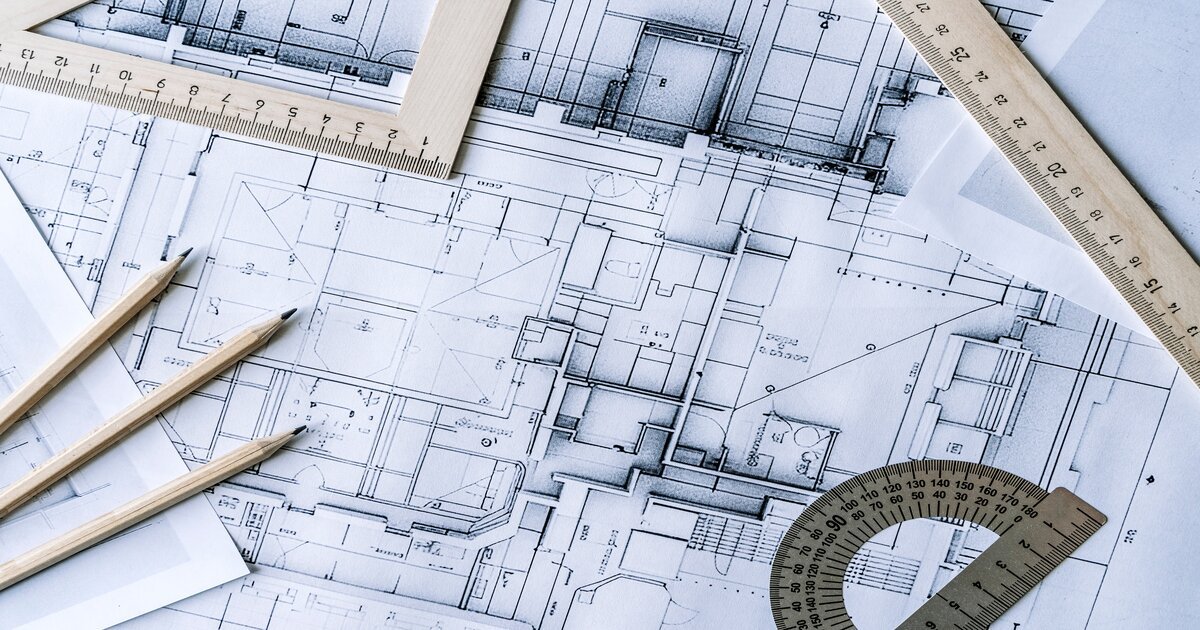
Interior design is often associated with finishes and colour palettes, but experienced designers also help prevent costly mistakes. Clear drawings, detailed specifications and early decisions reduce on-site guesswork and last-minute changes — both common causes of budget overruns.
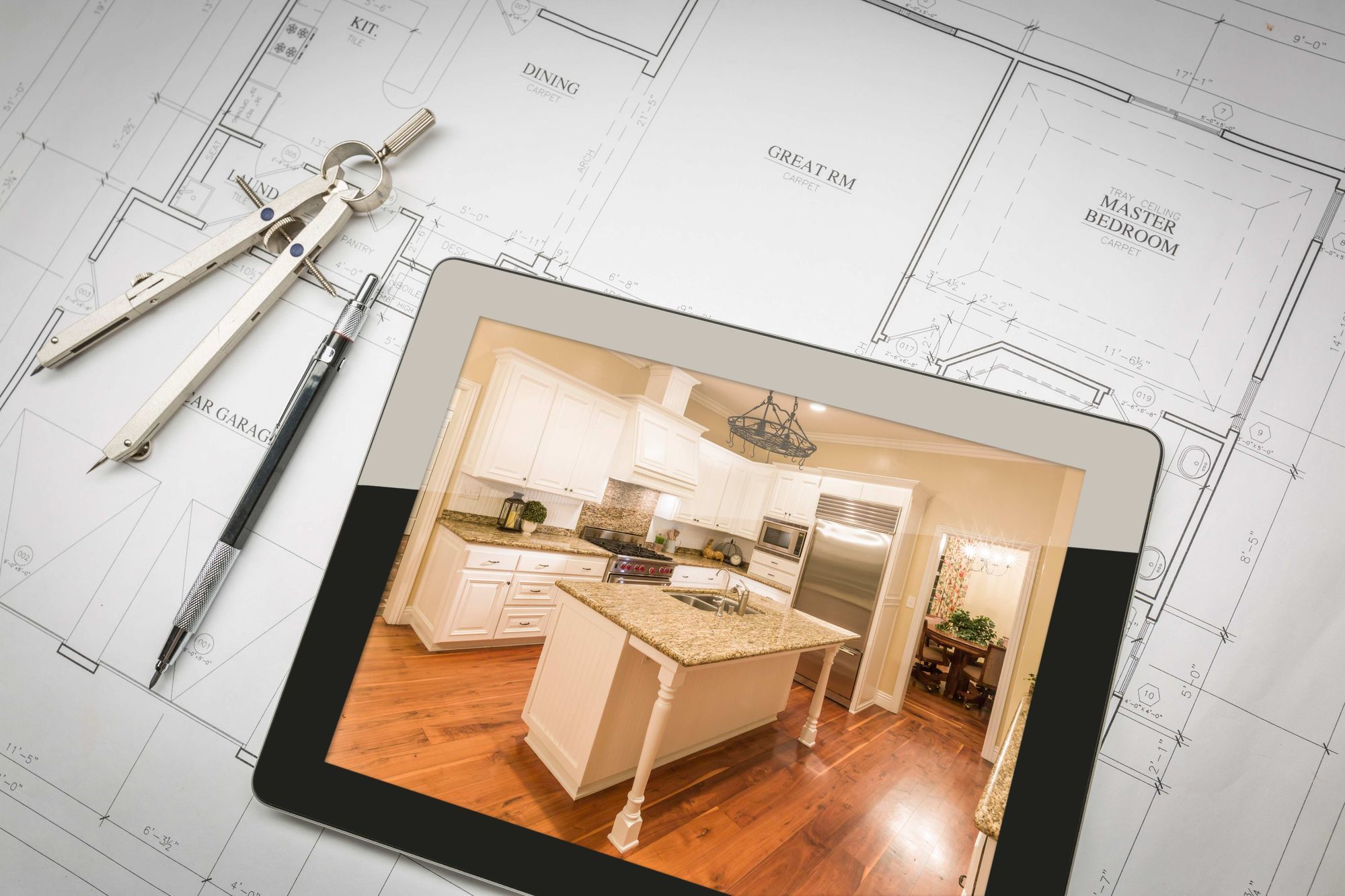
If a full design service isn’t feasible, creating a clear visual reference for everyone involved is still important. Mood boards, layout sketches and reference images can help align expectations and avoid misunderstandings during construction.

Focus on what matters beneath the surface
While layouts and finishes are exciting, the most valuable investments are often the least visible. Upgrading insulation, addressing damp, improving ventilation and modernising electrics or heating systems can dramatically improve comfort, efficiency and long-term value.
Energy performance is particularly important in older homes, many of which perform poorly by modern standards. Improving thermal efficiency not only reduces running costs but also future-proofs the property as regulations and buyer expectations evolve.
Tackle work in the right order
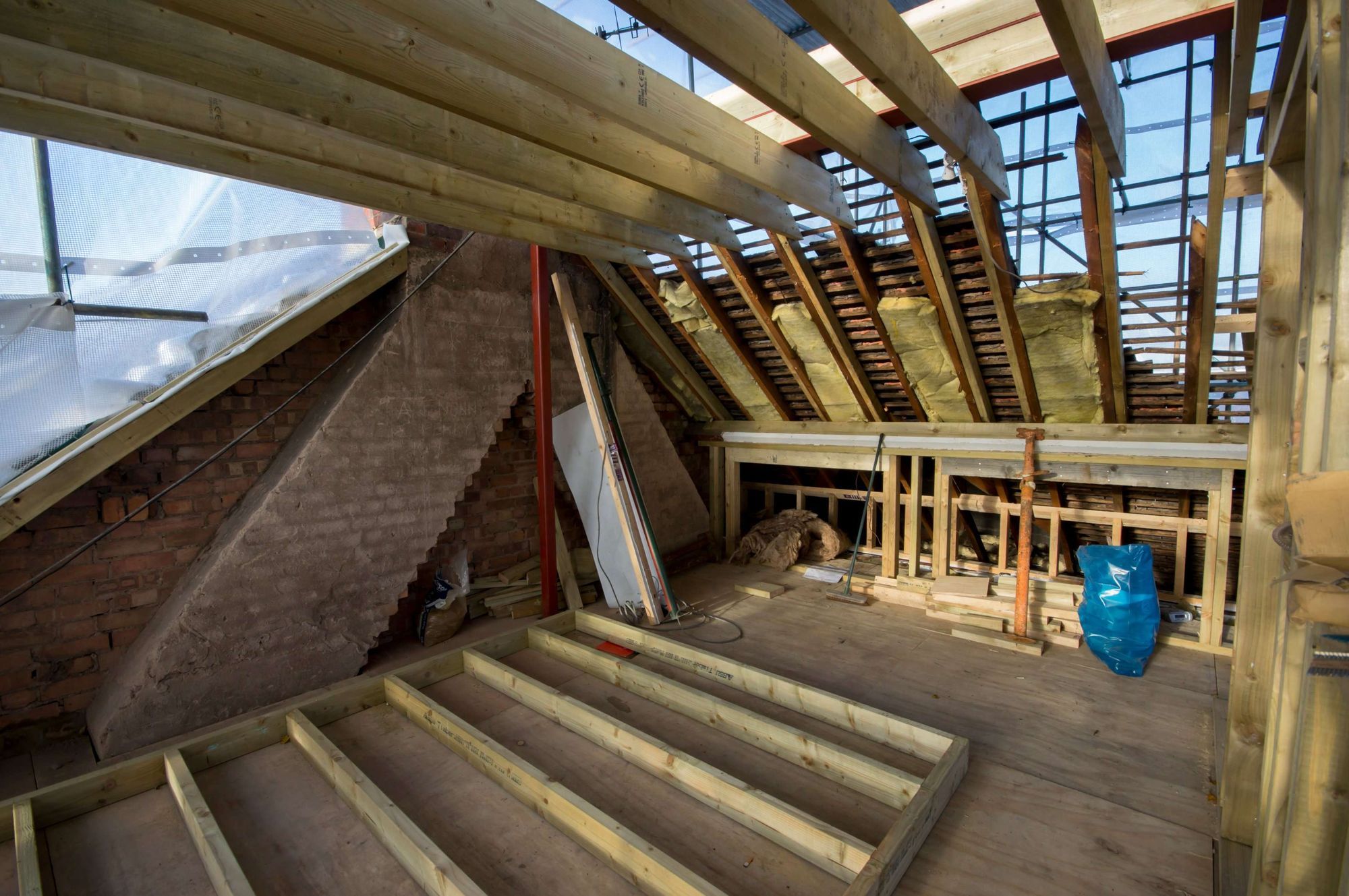
Successful renovations rely on clear prioritisation. Structural repairs, weatherproofing and essential services should always come first. Once the building is sound, warm and dry, attention can turn to layouts, kitchens, bathrooms and finishes.
If you plan to move in before everything is complete, identify which rooms are essential for day-to-day living and focus efforts there. Having a functional bathroom and kitchen early on can make a significant difference to quality of life during the build.
Acknowledge progress as you go
Renovations rarely move in a straight line. Delays, changes and unexpected discoveries are common, even with careful planning. Taking time to recognise progress — however small — helps maintain momentum and perspective.
Clear communication with your project team, regular check-ins and a willingness to pause when needed can make the journey far more manageable. Once complete, many homeowners are surprised by just how much they’ve learned — and how capable they became along the way.
Final thoughts
A fixer-upper can be an incredibly rewarding first home, but success lies in preparation, realism and good support. With the right advice, a clear plan and a focus on long-term value, renovation doesn’t have to feel overwhelming — it can be the foundation for a home that truly works for you.
If you’re considering a renovation and want guidance tailored to your situation, speaking with an experienced professional early on can help you move forward with confidence.
.png)

.jpeg)

With over 500+ projects completed nationwide.



