House Extension Drawings Explained: The Plans You’ll Need and Why They Matter

Imagining how you’ll furnish and decorate a new extension is often the fun part. But long before finishes and furniture come into play, every successful project depends on getting the drawings right.
Extension drawings form the backbone of your build. They communicate your ideas, satisfy planning requirements, guide contractors on site and ensure the finished space is safe, compliant and buildable. Without the right set of plans, even the most exciting design ideas can quickly unravel.
This guide breaks down the main types of house extension drawings, what each one is used for, how long they take to prepare and what costs you should expect.
The main types of extension drawings
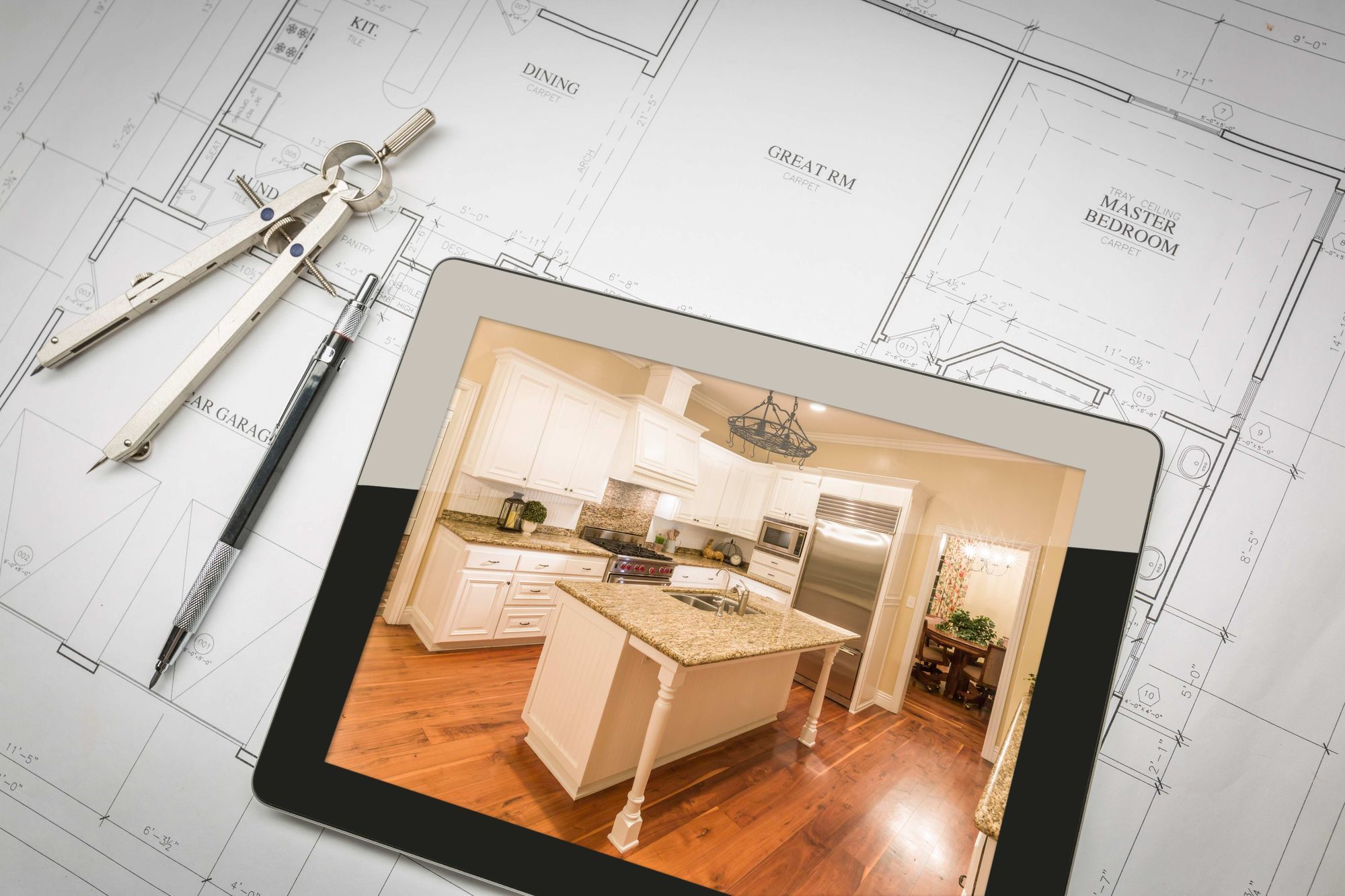
A home extension isn’t designed using a single drawing. Instead, several layers of information are produced, each serving a different purpose during planning, approval and construction.
Existing property drawings
These drawings document your home as it currently stands. They record layouts, dimensions and structural elements, providing a reference point for all future design work. Accurate existing drawings are essential, as every new proposal is measured against them.
These drawings document your home as it currently stands. They record layouts, dimensions and structural elements, providing a reference point for all future design work. Accurate existing drawings are essential, as every new proposal is measured against them.
Proposed layout plans
Proposed floor plans show how the extension will function once built. They illustrate room layouts, circulation, door and window positions and how new spaces connect to the existing house. These plans form the core of both planning submissions and construction packages.
Elevation drawings
Elevations show the appearance of the extension from the outside. Typically drawn from each side of the property, they illustrate height, materials, roof forms and window proportions. Planning officers rely heavily on elevations to assess visual impact.
Structural information
Structural drawings focus on how the extension will stand up. They include beam layouts, load-bearing elements, foundation details and reinforcement specifications. These drawings are supported by structural calculations and are required to meet building regulations.
Electrical layouts
Electrical plans indicate lighting positions, socket locations, switches and circuits. They allow electricians to install systems safely and in line with current standards, while also ensuring the layout suits how you plan to use the space.
Plumbing and drainage plans
These drawings map how water enters and leaves the extension. They cover pipe routes, drainage connections, waste disposal and any new bathrooms or kitchens. Clear plumbing layouts help avoid clashes during construction and are essential for regulatory approval.
Why extension drawings are essential
Extension drawings are not just a formality — they play a critical role throughout the project.
They reduce risk and uncertainty
Well-prepared drawings minimise guesswork. They help contractors price accurately, reduce on-site changes and prevent unexpected costs caused by unclear or missing information.
They support planning applications
If your project requires planning permission, drawings must be submitted to demonstrate scale, appearance and compliance with local policies. Even for permitted development projects, drawings are needed when applying for a lawful development certificate.
Some drawings are legally required
Structural calculations and associated drawings must be prepared by a qualified engineer to demonstrate compliance with building regulations. These are mandatory, regardless of whether you submit a full technical package or rely on a contractor.
How long does it take to prepare extension drawings?
Timeframes vary depending on project complexity, consultant availability and whether accurate existing drawings already exist.
As a general guide, most residential extension drawing packages are produced within two to five weeks. Larger or more complex projects may take longer, particularly if multiple design revisions are required.
How much do extension drawings cost?
Traditional architectural services are often priced as a percentage of construction cost, typically ranging between 5% and 15%, depending on scope and involvement during the build phase.
Fees are influenced by:
- Size and complexity of the extension
- Level of detail required
- Location
- Experience and reputation of the designer
Additional consultants may also be required, such as:
- Structural engineers: typically £500–£1,000
- Surveyors: commonly £500–£1,500
Architects generally charge more than architectural designers or technicians, particularly where brand recognition or awards are involved.
Do you need an architect for extension drawings?
Appointing an architect is not a legal requirement, but it is often beneficial. Professional design input can help you:
- Make better use of available space
- Improve the overall quality of the design
- Strengthen planning applications
- Add long-term value to your home
The right designer will also help coordinate consultants and ensure drawings align across all stages.
When are drawings submitted to the council?
Planning drawings are submitted during the planning or lawful development certificate process, and this must be completed before construction begins.
Separately, technical drawings and structural information are required for building regulations approval. These can be submitted to local building control or reviewed by an approved inspector, but again, this must happen before work starts on site.
Proceeding without detailed technical drawings leaves critical decisions to be resolved during construction, increasing risk and cost.
2D drawings vs 3D visualisations
2D drawings
Two-dimensional drawings present plans, sections and elevations without perspective. They provide accurate measurements and technical clarity, making them essential for approvals and construction.
3D visuals
Three-dimensional drawings add depth and perspective, helping homeowners visualise the finished extension. While not mandatory, they are useful for understanding scale, light and spatial flow before construction begins.
Seeing extension drawings in practice
A typical extension package may include existing layouts, proposed floor plans, elevations and 3D visuals. Together, these provide a clear picture of how the design will look, function and be built.
.png)

.jpeg)


With over 500+ projects completed nationwide.



