Loft Conversion vs Extension: Which Home Upgrade Makes More Sense?

When you start running out of space at home, the same question almost always comes up: should you convert the loft or build an extension?
Both options can give you an extra room, improve how your home works day to day, and add long-term value. But they achieve that space in very different ways. Understanding how each option works — and what it demands from your property — is key to making the right choice.
This guide walks you through the differences, benefits, limitations, and practical considerations of loft conversions and extensions, so you can decide which route suits your home and your plans best.
Understanding Loft Conversions
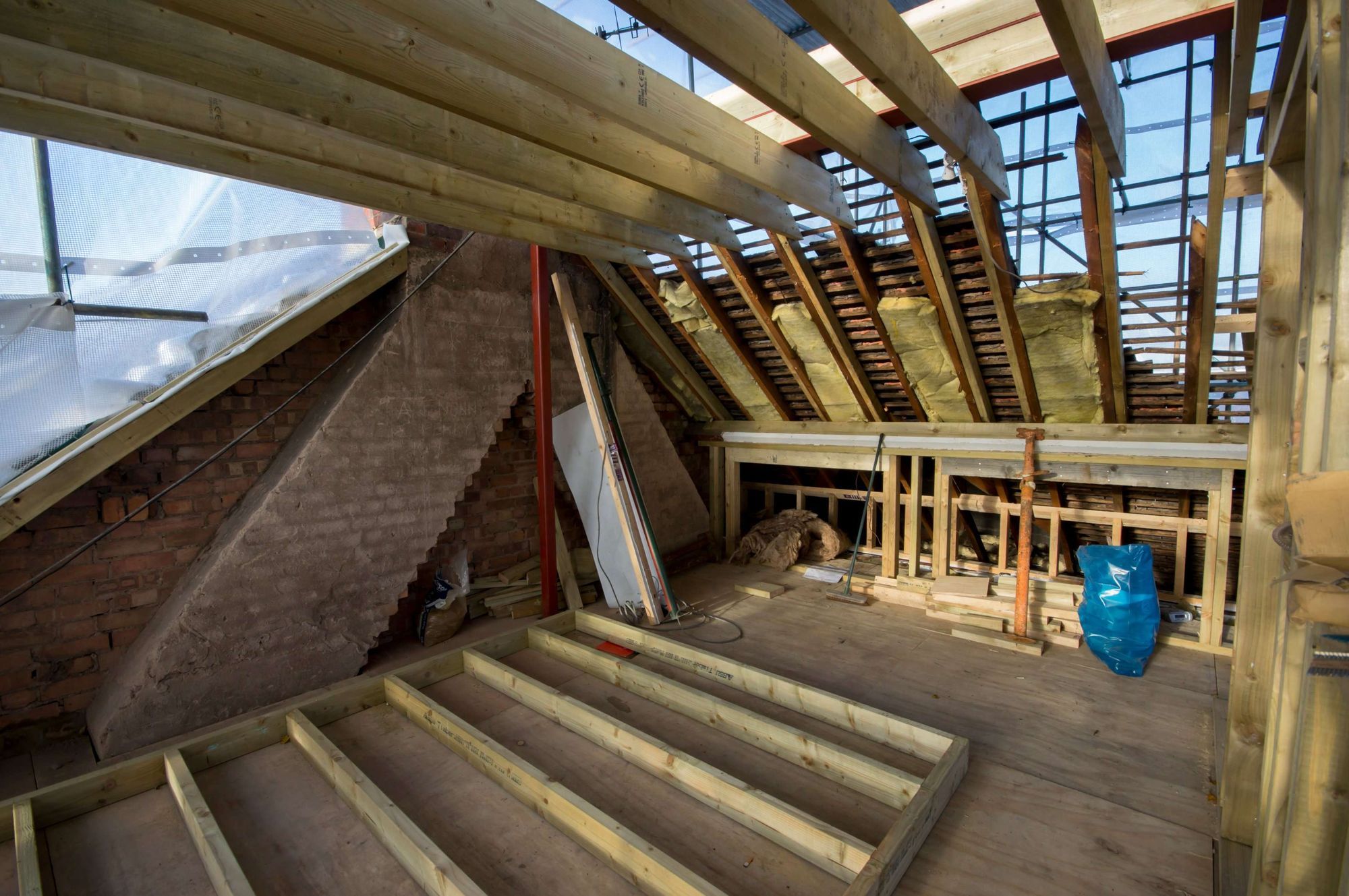
A loft conversion transforms unused roof space into a functional room. It’s one of the most popular renovation routes because it works within the existing footprint of the house, making it an efficient way to gain space without extending outward.
Loft conversions are commonly used to create:
- Additional bedrooms
Home offices - Guest rooms
- En-suite bathrooms
Because you’re not increasing the building’s ground-level footprint, loft projects are often quicker and more cost-effective than extensions, depending on roof structure and design choices.
Popular Loft Conversion Options Explained
There’s no one-size-fits-all loft solution. The right approach depends on roof shape, available head height, and how much space you want to gain.

Rooflight (Skylight) Conversions
This option works entirely within the existing roof shape. Rooflights are added to bring in daylight, but the roof itself isn’t altered.
- Minimal impact on the exterior
- Typically the most affordable loft option
- Well-suited to areas with tighter planning controls
- Ideal when head height is already sufficient
Because there’s no outward extension of the roof, this type focuses on re-using space rather than expanding it.
Dormer Conversions
Dormers extend out from the slope of the roof, creating extra headroom and usable floor area.
Common dormer styles include:
- Flat-roof dormers
- Sloping (shed-style) dormers
- Gabled or pitched dormers
- Hipped dormers
- L-shaped dormers formed by combining two sections
Dormers are popular because they:
- Add noticeable internal space
- Allow for full-height windows
- Improve room proportions
Many dormer projects fall under permitted development, although this always depends on size, location, and existing alterations.
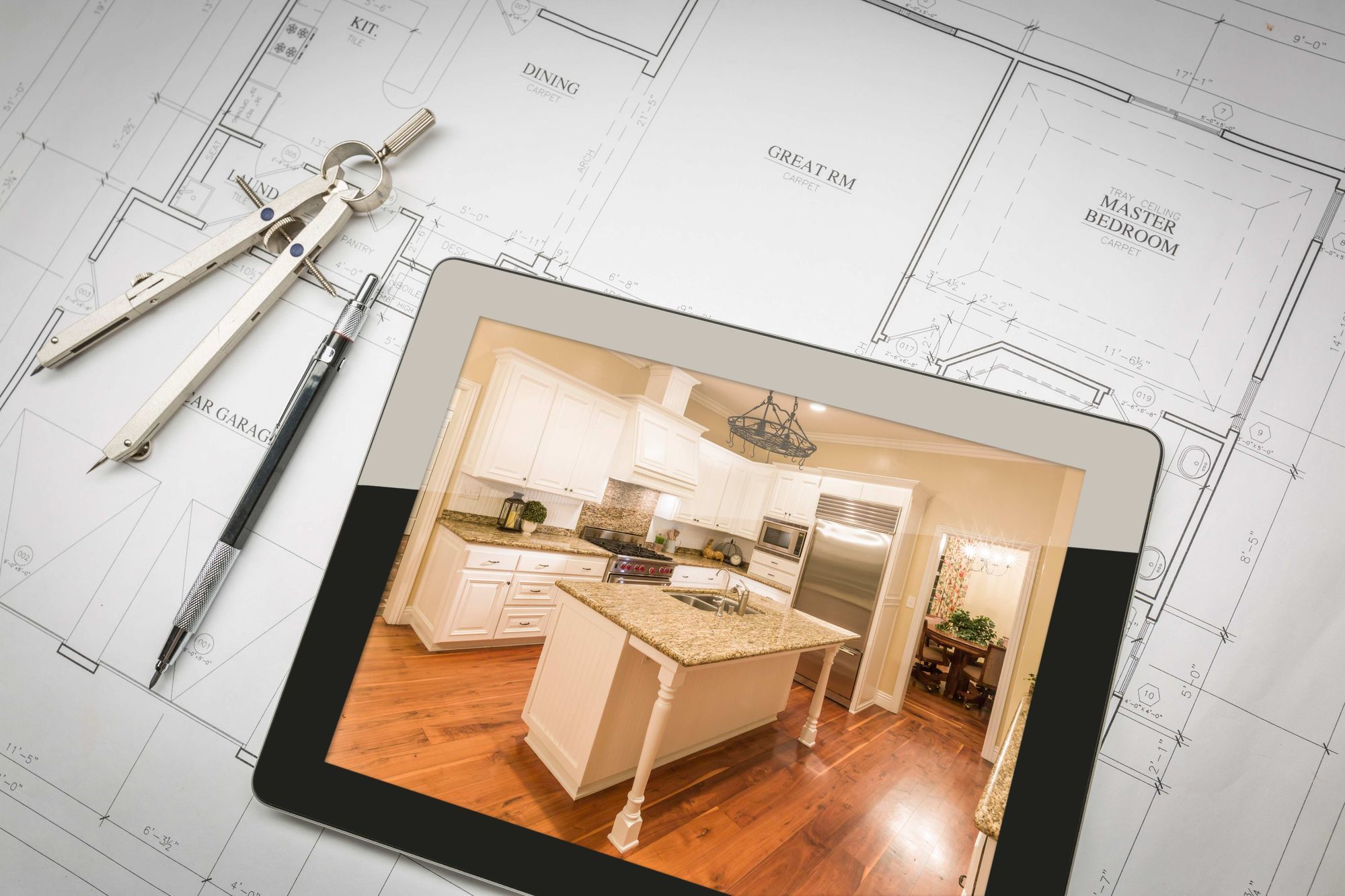
What Counts as an Extension?
Extensions increase your home’s footprint by building outward. Common forms include:
- Rear extensions
- Side infill extensions
- Wraparound extensions
Unlike loft conversions, extensions create new ground-level space. They’re often chosen when homeowners want larger kitchens, open-plan living areas, or stronger connections between indoor and outdoor space.
Extensions allow greater flexibility in layout but usually involve more groundwork, longer build times, and higher overall costs.
Hip-to-Gable Conversions
This approach is suited to homes with a sloping “hip” roof. The sloping side is straightened into a vertical wall, significantly increasing internal volume.
- Creates more consistent head height
- Maximises floor space
- Works well when planning a full additional bedroom
It’s a strong option where attic space feels limited under the existing roof shape.
Mansard Conversions
Mansard conversions involve rebuilding part of the roof with a near-vertical slope and flat top section.
- Offers the largest increase in space
- Often used to maximise full-storey living space
- More visually impactful than other loft types
Because of the structural changes involved, mansard conversions commonly require planning permission.
How to Decide: Loft Conversion or Extension?
The right option depends on several practical and personal factors. Here’s how the two compare across the areas that matter most.
Budget Considerations
In general terms, loft conversions tend to be more affordable than extensions because:
- They don’t require foundations
- They use the existing structure
- They usually involve less external work
Extensions typically cost more due to groundwork, drainage, and larger structural elements. However, finishes, glazing choices, and complexity can shift costs significantly in either direction.
There’s no universal figure — every home and project is different.
Impact on Property Value
Adding usable space almost always improves value when done well.
- Loft conversions that add an extra room can increase property value by around 15%
- Extensions also add value, with the uplift depending on size, layout, and how well the new space integrates with the rest of the home
The key is balance: the cost of the build should make sense relative to the value gained and how long you plan to stay in the property.
Suitability for Your Property
Loft conversions are only possible if:
- There is sufficient roof height
- The structure can support the changes
They work well across terraced, semi-detached, and detached homes — as long as usable loft space exists.
Extensions are often better suited when:
- Loft space is limited or already converted
- You need ground-floor living space
- You want to reconfigure the layout entirely
Ground-floor flats or homes with structural constraints may also lean more naturally toward extensions.
Planning and Permissions
Both options are often possible under permitted development, but rules vary depending on:
- Property type
- Location
- Scale of the proposed works
- Previous alterations
Some loft conversions and extensions require planning permission, particularly when design limits are exceeded or where additional restrictions apply. Building regulations approval is required in all cases.
Disruption and Build Time
Loft conversions are generally less disruptive because most work happens above the existing living areas.
- Some simpler loft projects can complete in as little as 4–6 weeks
- Daily life inside the home can often continue during construction
Extensions usually take longer and involve:
- Groundworks
- Structural openings
- Greater impact on day-to-day living
Build times vary widely depending on size and complexity.
Final Thoughts: Which Option Is Right for You?
A loft conversion is often the smarter choice if you:
- Need an extra bedroom or workspace
- Want faster results with less disruption
- Prefer a more cost-efficient route
An extension may suit you better if you:
- Want to enlarge living areas or kitchens
- Need ground-floor flexibility
- Are planning a major layout transformation
There’s no “better” option — only the one that best matches your home, goals, and future plans. With the right approach, both can significantly improve how your space works and feels.
.png)

.jpeg)


With over 500+ projects completed nationwide.



