Managing Unexpected Costs and Build Delays During a Cost-of-Living Crunch

With household bills rising and budgets under pressure, many homeowners are choosing to improve rather than move. Renovating can be a smart long-term decision — but it’s not without risk. Rising material prices, labour shortages and supply-chain disruption mean unexpected costs and schedule slippage are more common than ever.
The key isn’t avoiding challenges entirely (that’s rarely realistic), but planning in a way that reduces exposure and helps you stay in control when things don’t go to plan.
Laying the groundwork before work begins
Research and preparation remain the most effective tools for limiting surprises during construction. Many cost overruns stem from unrealistic assumptions rather than major structural issues.
Before committing to a project, it’s worth taking time to understand the full scope of what you’re planning — including the knock-on effects. For example, altering layouts may trigger electrical upgrades, structural calculations or drainage changes that aren’t obvious at first glance.
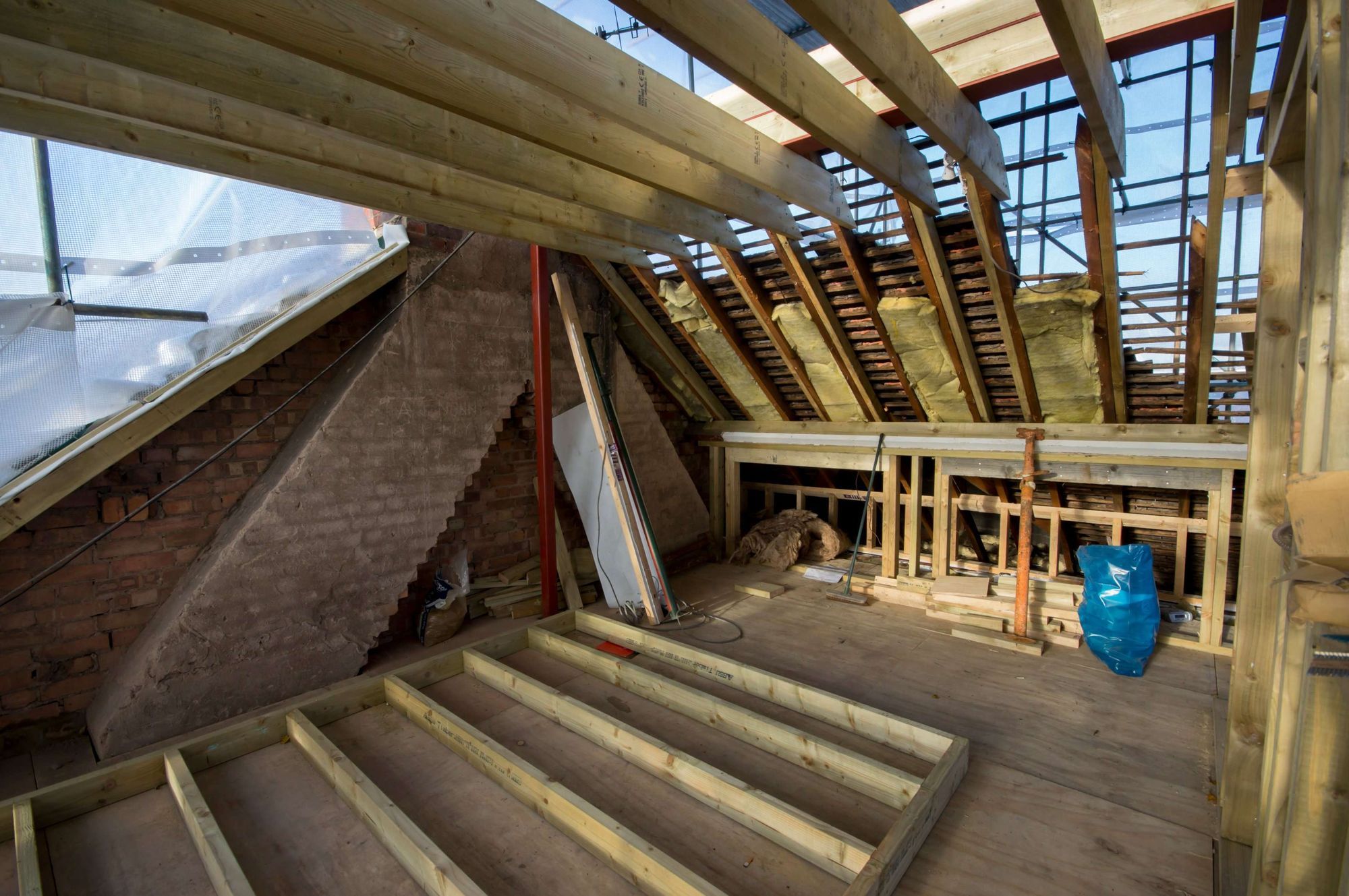
Building a financial buffer is equally important. Even with detailed drawings and surveys, renovation work often uncovers issues hidden behind walls or beneath floors. Planning for this from the outset makes those moments far less stressful when they arise.

Choosing the right professionals early on
The people you work with will have a significant impact on both costs and timelines. A well-coordinated team can help identify risks early, resolve issues efficiently and prevent expensive last-minute changes.
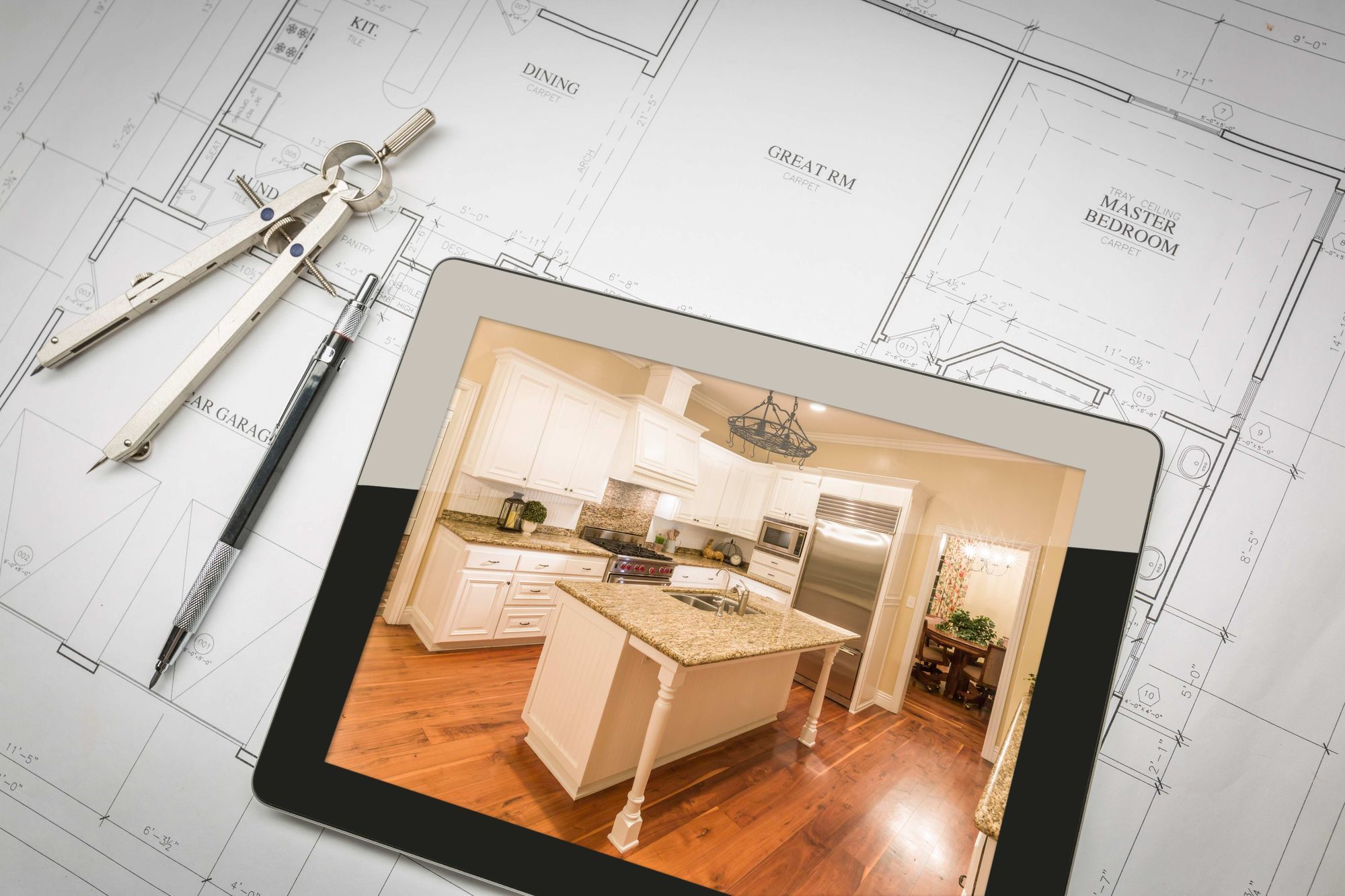
Bringing in experienced design and technical support at the beginning can help align your ambitions with your budget. Clear drawings, realistic cost forecasting and a defined scope of works reduce uncertainty for everyone involved — from contractors to consultants.
Equally important is clarity around fees, responsibilities and payment stages. Knowing when costs are likely to arise allows you to plan cash flow more effectively and avoid last-minute pressure.
Protecting yourself with the right cover
Construction work carries inherent risk, particularly when structural elements are involved. Standard home insurance policies often don’t provide adequate protection during major works, leaving homeowners exposed if something goes wrong.
Specialist renovation insurance can provide cover for damage, delays and periods when a property becomes temporarily uninhabitable. While policies vary, having the right protection in place can prevent an unexpected setback from turning into a financial crisis.
Before work begins, it’s worth reviewing your existing insurance and understanding what additional cover may be required for the duration of the build.

Staying flexible once work is underway
Even the best-planned projects benefit from a degree of adaptability. Timelines may shift due to weather, material availability or coordination between trades, and budgets can move as decisions evolve.
Tracking progress closely — whether through regular site meetings, clear communication channels or structured reporting — helps prevent small issues from escalating. Some homeowners find value in appointing a project manager, particularly on larger or more complex builds, as this can streamline decision-making and reduce inefficiencies.
Just as important is recognising progress along the way. Milestones met, challenges resolved and phases completed are all signs that the project is moving forward, even if it doesn’t feel perfect day to day.
Looking after your wellbeing during the process
Living through a renovation can be mentally draining. Noise, dust, uncertainty and constant decision-making take their toll, particularly when finances are stretched.
Creating space away from the project — even briefly — can help maintain perspective. Regular breaks, routine and small moments of normality make a surprising difference during longer builds. Keeping the end goal in mind also helps contextualise temporary discomfort.
When pressing pause makes sense
In some cases, the most sensible decision is to delay. If proceeding would mean taking on unmanageable debt or creating ongoing financial strain, waiting can be the smarter option.
That doesn’t mean standing still. Smaller, lower-cost improvements — such as reworking storage, refreshing finishes or introducing more greenery — can improve how your home feels while you plan for larger works in the future.
Incremental changes can also help clarify what you want from a bigger renovation when the time is right.

Final thoughts
Renovating during a cost-of-living crisis requires realism, flexibility and strong planning. While extra costs and delays are never ideal, they’re far easier to manage when you’ve prepared properly and surrounded yourself with the right expertise.
A well-considered approach won’t just protect your budget — it will help ensure the process feels manageable and the end result is worth the effort.
.png)

.jpeg)


With over 500+ projects completed nationwide.



