Planning a Kitchen–Dining Extension: Key Decisions That Shape the Outcome

Expanding your kitchen to include a dining space is one of the most transformative changes you can make to a home. A well-designed kitchen–dining extension doesn’t just give you more room — it changes how the household connects, eats, works and spends time together.
Before committing to plans, it’s worth understanding what makes this type of extension work well in real life, not just on paper.
Why kitchen–dining extensions appeal to so many households
At its core, this type of extension is about improving flow. By extending and reconfiguring the kitchen, you can create space for shared meals, informal gatherings and everyday family life — all without separating activities into different rooms.
For busy families, this often means cooking while helping with homework or catching up at the end of the day. For keen hosts, it creates a more relaxed way to entertain, where guests naturally gather rather than sitting apart from the action.
The result is a room that works harder and feels more sociable.
How a kitchen–dining extension can affect long-term value
A thoughtfully designed extension that improves layout, light and usability can make a property more attractive to future buyers. Open, flexible kitchen–dining spaces are often high on wish lists because they reflect how people actually live today.
That said, the impact depends heavily on execution. Proportions, materials, light levels and how well the extension integrates with the original house all play a role in how successful the finished space feels.
Getting ready for the reality of an extension project
Before thinking about layouts or finishes, it’s important to be honest about the disruption involved. Extending a kitchen usually affects daily routines more than other projects, particularly if it’s your main cooking space.
Early planning helps reduce stress later — especially around temporary living arrangements, access, and how long the work might interfere with everyday life.
Choosing the right type of extension for your home
The form your extension takes will depend on the footprint and constraints of your property.
- Homes with limited side access often benefit from extending into the garden
- Properties with unused side space can take advantage of that extra width
- Houses with more generous plots may suit extensions that combine both directions
The goal isn’t to build as much as possible, but to create a shape that improves how the internal space works once it’s complete.
Deciding how the kitchen and dining areas should interact
Layout is where a kitchen–dining extension either succeeds or falls short. Instead of thinking in terms of “kitchen first, dining second”, it’s better to consider how people will move, sit and gather.
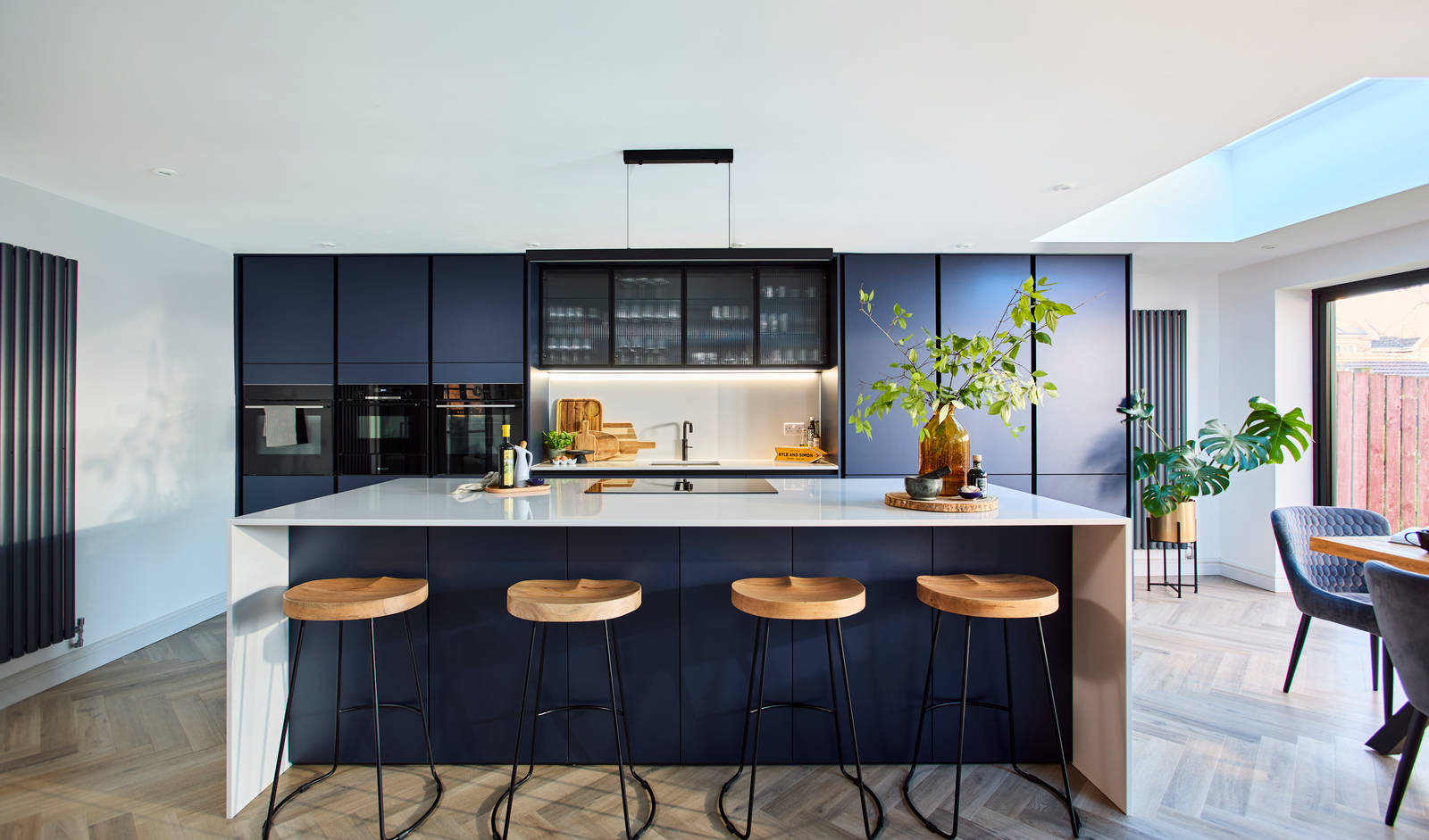
Some layouts prioritise a central feature where cooking and casual dining overlap. Others push the dining area slightly away to create a calmer eating zone. The right approach depends on how formal or informal your household tends to be.
What matters most is leaving enough breathing room so neither function feels compromised.
Making daylight a core part of the design
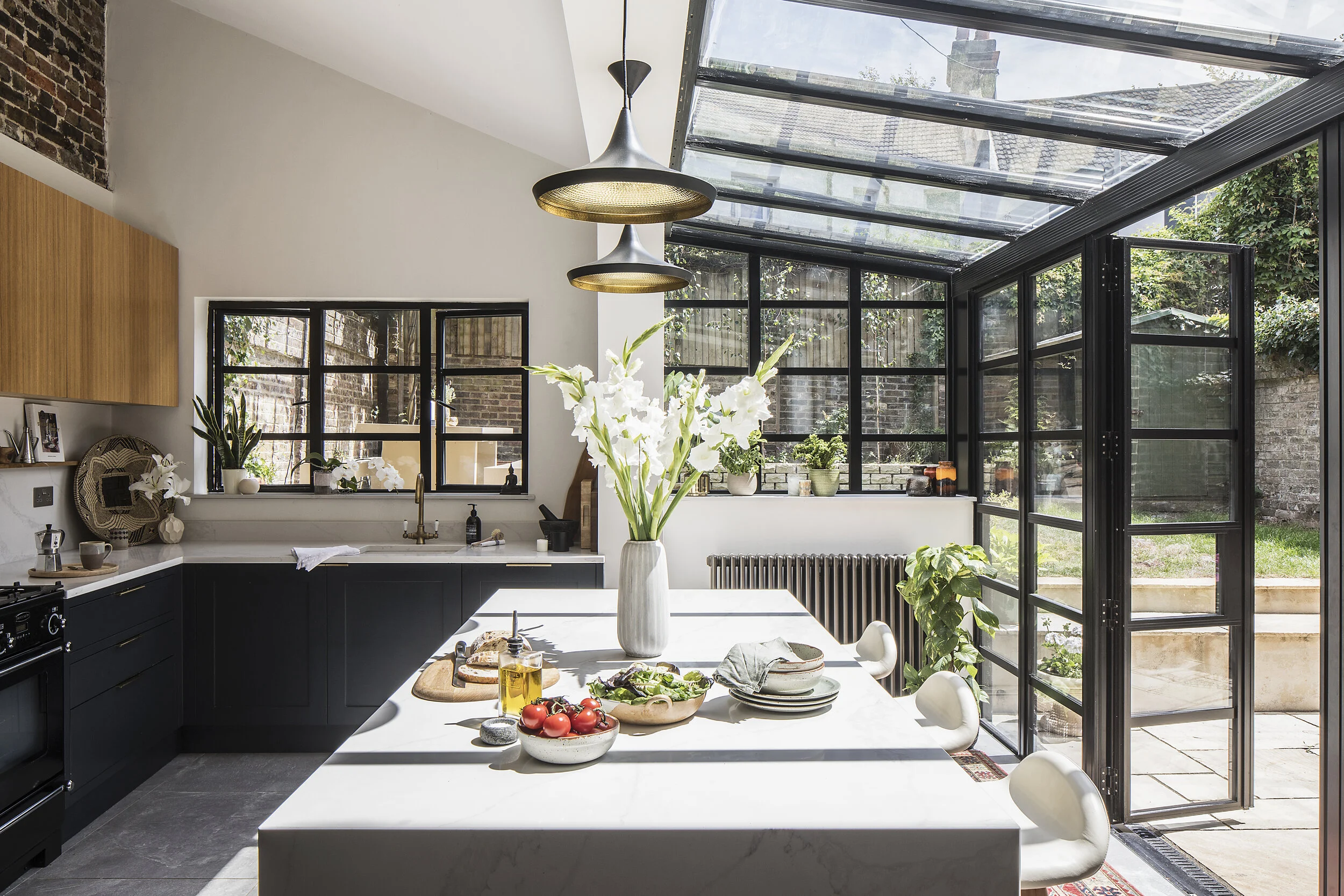
Natural light often makes the biggest visual difference in an extension. Openings positioned correctly can dramatically improve how welcoming the space feels throughout the day.
Roof glazing, wide openings to the garden or carefully placed windows can all help bring light deeper into the home. A good design will balance brightness with comfort, avoiding glare or overheating while still maximising daylight.
Creating visual harmony between kitchen and dining zones
Once the structure and layout are resolved, coordination becomes key. Furniture, finishes and materials should feel intentional rather than pieced together.
Keeping proportions in check is just as important as style — oversized furniture can overwhelm a space, while undersized pieces can make it feel sparse. A consistent material palette helps tie everything together, even if the kitchen and dining areas serve slightly different moods.
Cost expectations and build time
The final cost and timeline of a kitchen–dining extension depend on many factors, including size, complexity, existing conditions and whether other improvements are carried out at the same time.
Build programmes can vary widely, and unexpected delays are not uncommon — particularly in older homes. Planning with contingency in mind helps set realistic expectations and reduces pressure as the project progresses.
.png)

.jpeg)

With over 500+ projects completed nationwide.



