Practical Ways to Improve Energy Efficiency at Home

Making your home more energy efficient doesn’t have to mean drastic lifestyle changes or constant compromises on comfort. With the right mix of small behavioural shifts and considered upgrades, it’s possible to cut energy use, reduce bills and lower environmental impact — all while keeping your home comfortable.
This guide explores a range of approaches, from quick, low-cost adjustments to more substantial improvements, so you can take steps that suit both your home and your budget.
Why Energy Efficiency Matters More Than It Used To
Energy costs continue to rise, and the environmental consequences of inefficient buildings are becoming harder to ignore. Homes that lose heat easily or rely heavily on outdated systems require more energy to stay comfortable, which increases both household expenses and carbon emissions.
Across the UK, many properties were built before modern efficiency standards existed. Combined with everyday habits that unintentionally waste energy, this means there is significant room for improvement — and growing motivation to make changes.
The encouraging part is that improving efficiency doesn’t require a single, sweeping solution. Incremental improvements can deliver meaningful results over time.
Simple, Low-Cost Ways to Use Less Energy at Home
If budgets are tight, there are still plenty of ways to reduce energy use without major investment.
Stay Warm Naturally
Movement helps regulate body temperature, meaning you may feel comfortable at lower indoor temperatures. Regular physical activity can reduce reliance on heating while also supporting overall wellbeing.
This doesn’t require gym memberships or specialist equipment — walking, stretching, home workouts or community-led activities can all help maintain warmth during colder months.

Be Intentional With Heating and Lighting
Small habits make a difference when repeated daily. Turning off lights when rooms aren’t in use and reducing heating in unused spaces can noticeably lower consumption.
Rather than heating the entire home evenly, consider zoning rooms based on how they’re used. Adjusting thermostat settings by even a small margin can also reduce energy demand over time.
Rethink How You Cook
Cooking methods influence energy use more than many people realise. Preparing meals in batches reduces how often appliances are used, while reheating typically requires less energy than starting from cold.
Compact appliances such as air fryers or slow cookers often use less electricity than traditional ovens, particularly for smaller portions. These changes don’t compromise on food quality — they simply use energy more efficiently.

Review Your Energy Tariff
Energy efficiency isn’t only about consumption — it’s also about how that energy is sourced and priced. Comparing suppliers and tariffs can uncover options that better align with your usage patterns.
Some providers offer incentives for off-peak usage or prioritise renewable generation, helping reduce both costs and environmental impact.

Understanding How Efficient Your Home Really Is
Before planning upgrades, it helps to understand where energy is being lost.
Air Leakage and Heat Loss
Many homes lose heat through small gaps in walls, floors and roofs. These weak points allow warm air to escape and cold air to enter, making heating systems work harder than necessary.
Professionals can assess these issues and recommend improvements that reduce unwanted air movement and improve overall performance.
Energy Performance Certificates (EPCs)
An EPC provides a snapshot of how efficiently a property uses energy, rated from A (most efficient) to G (least efficient). If your home already has one, it can offer valuable insight into where improvements would be most effective.
EPC reports typically include recommended upgrades, projected costs, estimated savings and the likely improvement in rating once changes are made. These suggestions can range from relatively modest improvements to larger interventions.
Medium to Long-Term Improvements for Greater Impact
If you’re ready to take things further, the following upgrades can significantly improve how your home performs.
Improve Insulation
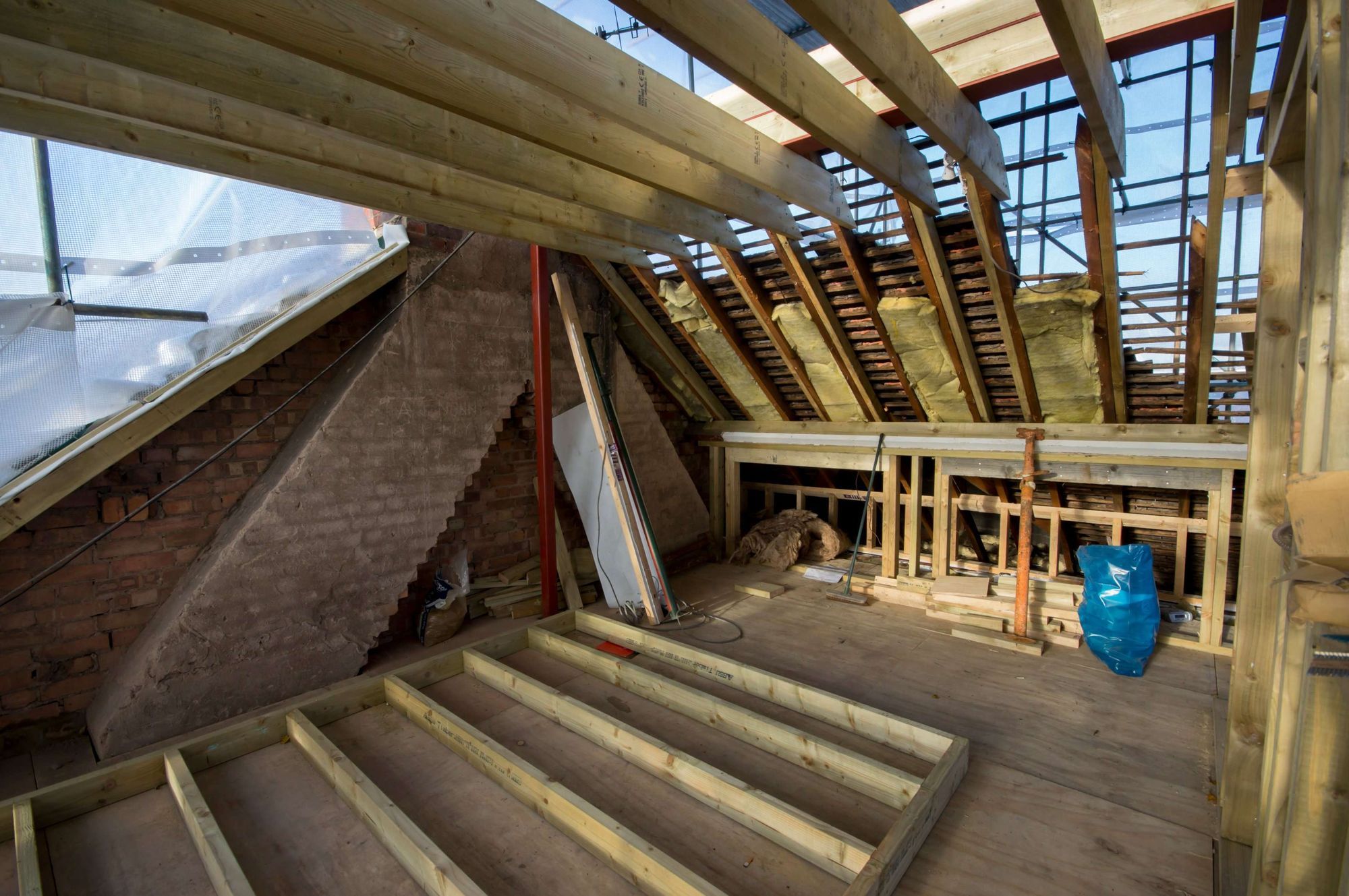
Insulation plays a crucial role in maintaining stable indoor temperatures. Roof spaces, walls and floors are common sources of heat loss, particularly in older homes.
Improving insulation reduces the need for heating in winter and helps prevent overheating in summer, creating a more consistent internal environment year-round.
Make Better Use of Rainwater
Collecting rainwater for non-drinking purposes such as garden watering or toilet flushing reduces demand on mains water supplies. Simple systems, like water butts, are easy to install and can lower household water use with minimal effort.
Generate Your Own Electricity
Renewable technologies, such as solar panels, allow households to produce a portion of their own energy. While installation requires upfront investment, long-term savings and reduced reliance on the grid can make this an appealing option.
Producing electricity on-site also lowers carbon emissions associated with traditional energy generation.
Moving Towards a More Efficient Home
Improving energy efficiency is rarely about one single change. It’s the combined effect of smarter habits, informed decisions and well-timed upgrades that delivers lasting results.
Whether you start with small daily adjustments or plan more significant improvements, each step contributes to a home that costs less to run, feels more comfortable and performs better for the future.
If you’re exploring renovation, extension or retrofit plans, energy efficiency can often be integrated into the process — maximising the value of work you’re already considering.
.png)

.jpeg)

With over 500+ projects completed nationwide.



