Prepare Your Home for Next Winter While the Weather’s on Your Side

Spring has finally arrived. The days are lighter, the air is milder, and winter feels comfortably distant. Ironically, this is exactly when it makes the most sense to think ahead to colder months.
Retrofitting your home now gives you time, choice and comfort — without the disruption that comes with cold-weather building work. Rather than reacting when temperatures drop again, spring offers a practical window to get your home ready in advance.
What Does Retrofitting Actually Mean?
Retrofitting involves upgrading an existing home to improve how efficiently it uses energy. This can include changes that reduce heat loss, improve performance of services, or integrate renewable technologies — all without rebuilding from scratch.
The goal isn’t just lower bills. It’s about creating a home that’s easier to heat, cheaper to run and more comfortable to live in.
Why Spring Is the Smart Time to Act
Timing matters when it comes to home improvements. Warmer months make internal works far less disruptive, especially when insulation, glazing or services are involved. Cold air, exposed walls and temporary loss of heating are much easier to manage now than in mid-winter.
There’s also the simple reality of scheduling. Energy upgrades often require multiple specialists, and demand increases sharply as autumn approaches. Starting early gives you more flexibility and avoids rushed decisions later.
Most importantly, these improvements don’t deliver instant results. Planning, approvals and installation take time. Acting now means your home is ready when temperatures fall again — not halfway through the season.
How Retrofitting Improves Day-to-Day Life
Research consistently shows that winter comfort plays a major role in how people feel about their homes. Poor temperature control is closely linked to stress, dissatisfaction and higher running costs.
In recent years, priorities have shifted. For many households, reducing ongoing costs now outweighs increasing property value. Retrofitting addresses both — improving comfort while lowering the energy required to maintain it.
There’s also a broader context. National targets for reducing emissions depend heavily on upgrading existing housing, not just building new homes. Improving the homes already in use is one of the most effective ways to create meaningful change — both individually and collectively.

Where to Start with a Retrofit
Retrofitting isn’t about chasing trends — it’s about making thoughtful improvements that support comfort, affordability and future resilience. Starting in spring gives you the space to plan properly, choose the right upgrades and avoid unnecessary pressure later in the year.
If you’re considering renovations or extensions, retrofitting can often be integrated into wider works, saving time and cost while delivering greater long-term benefits.
Preparing now means you won’t be scrambling when winter returns — you’ll already be ready.
Where to Start with a Retrofit
Heat Retention Improvements
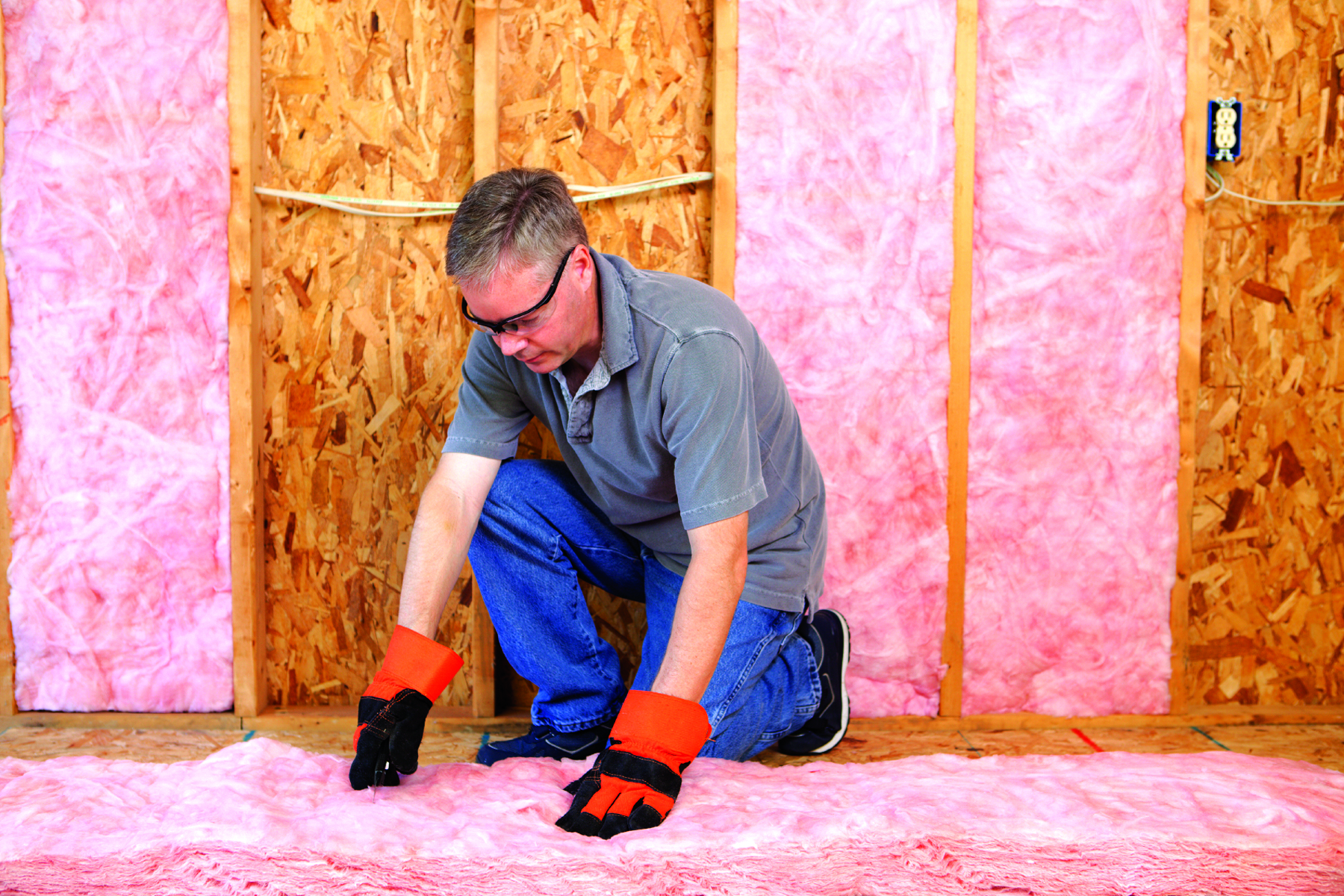
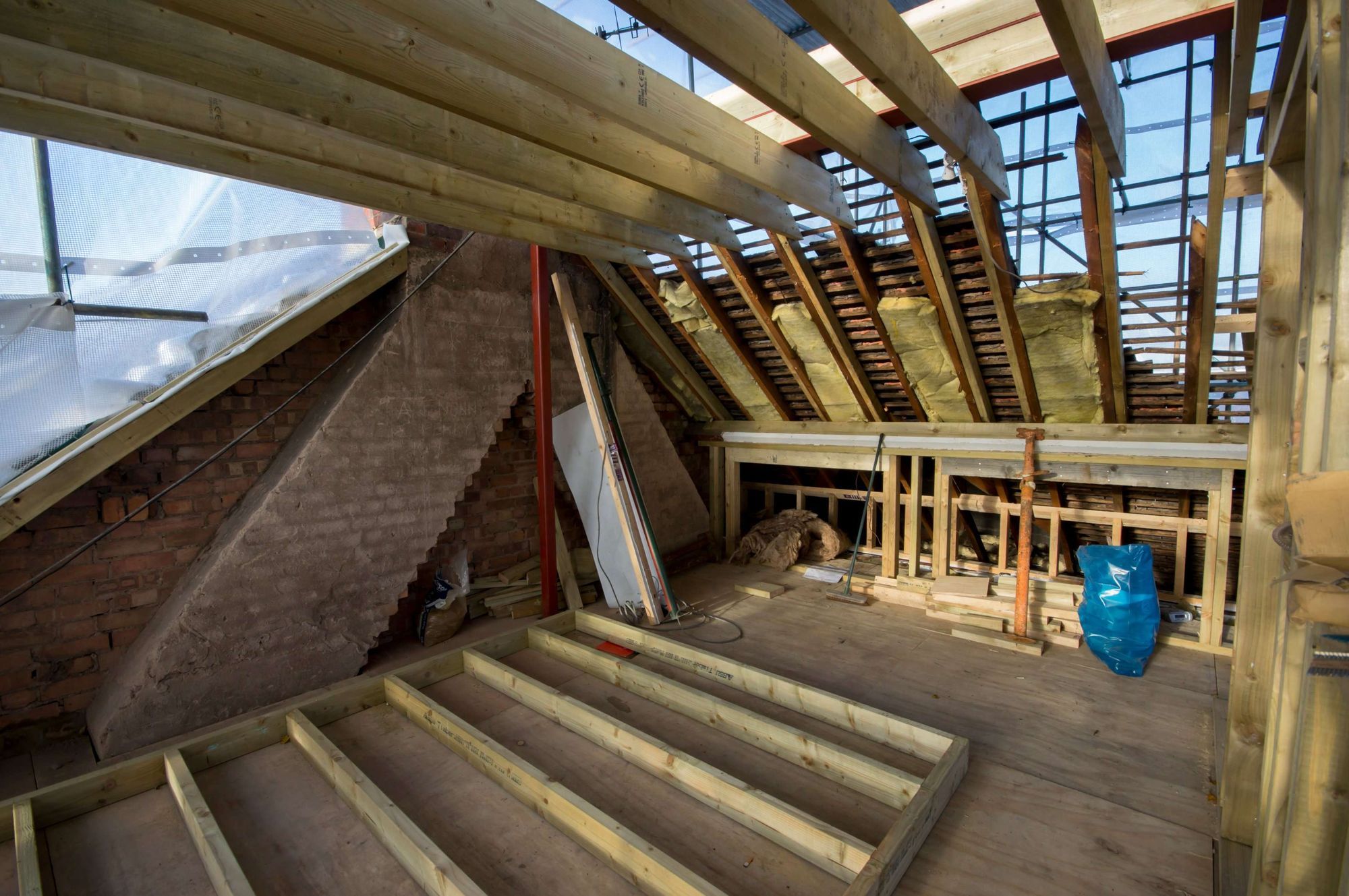
Enhancing insulation in areas like the roof or external walls helps keep warmth inside for longer. When heat loss is reduced, heating systems don’t need to work as hard — leading to more stable indoor temperatures and lower energy use.
Even modest improvements can noticeably change how a home feels during colder months.
Upgrading Water and Heating Systems
Older plumbing and heating infrastructure can be inefficient, unreliable and vulnerable to failure. Updating these systems can improve performance while reducing the risk of leaks, breakdowns or future disruption.
While these upgrades aren’t always visible, they contribute significantly to long-term resilience and efficiency.
Using Renewable Energy
Adding renewable technologies, such as solar generation, can reduce reliance on grid energy and offset household running costs over time. While installation requires upfront investment, many homeowners find the long-term savings and environmental benefits justify the decision.
These systems are often most effective when combined with other efficiency measures, rather than installed in isolation.
.png)

.jpeg)

With over 500+ projects completed nationwide.



