Rear Extension Costs Explained: What to Budget For and How to Spend Smarter

Adding a rear extension can completely transform how a home looks, feels and functions — but understanding the true cost is often the biggest hurdle. From professional fees to construction and materials, the overall price is shaped by many moving parts. Without a clear breakdown, it’s easy for budgets to drift before work even begins.
If you’re trying to make sense of potential costs and want practical ways to stretch your budget further, this guide breaks down what influences pricing, where your money typically goes and how to make informed choices without sacrificing quality.
What influences the cost of a rear extension?
There’s no universal price tag for a rear extension. The final figure depends on a combination of design, construction and logistical factors, including:
- Geographic location – labour rates and material costs vary across the UK
- Scale of the extension – single-storey builds differ significantly from multi-storey schemes
- Design complexity – simple forms are more cost-effective than intricate layouts
- Material selection – both quality and quantity influence overall spend
- Construction team – pricing, availability and reliability vary widely
Smaller contractors can sometimes offer lower initial quotes, but may be more exposed to delays or supply issues. Larger firms often charge more but can offer greater consistency, especially during periods of labour or material shortages.
Allowing for supply and labour challenges
The construction industry has faced ongoing disruption in recent years, affecting material availability, lead times and labour costs. These factors can push projects beyond their original budget or timeline.
To manage uncertainty, it’s wise to include a contingency of around 10% of your total build cost. This buffer helps absorb unexpected price increases or delays without putting the entire project at risk.
Typical cost breakdown for a rear extension
While construction and materials form the largest portion of the budget, several professional and statutory costs should also be planned for. A common allocation may look like this:
- Design and technical services – ~5%
- Administration and compliance – ~1%
- Structural calculations – ~2%
- Surveys and assessments – ~2%
- Construction labour – ~30%
- Core materials – ~20%
- Internal finishes – ~5%
- Glazing and openings – ~15%
- VAT – ~20%
These proportions vary depending on the project’s scope and complexity, but they provide a useful framework for early-stage budgeting.
Average cost per square metre
Based on a typical refurbished area of 45m², estimated costs for a ground-floor rear extension are:
- £1,900–£3,000 per m² in higher-cost regions
- £1,650–£2,600 per m² elsewhere in the UK
For example, a 30m² rear extension could range between £57,000 and £90,000, depending on design, finishes and construction approach.
It’s worth noting that these figures usually reflect the total refurbished space, not just the newly added area. Extensions often involve reworking adjoining rooms, which contributes to the overall cost.
Do you need professional design support?
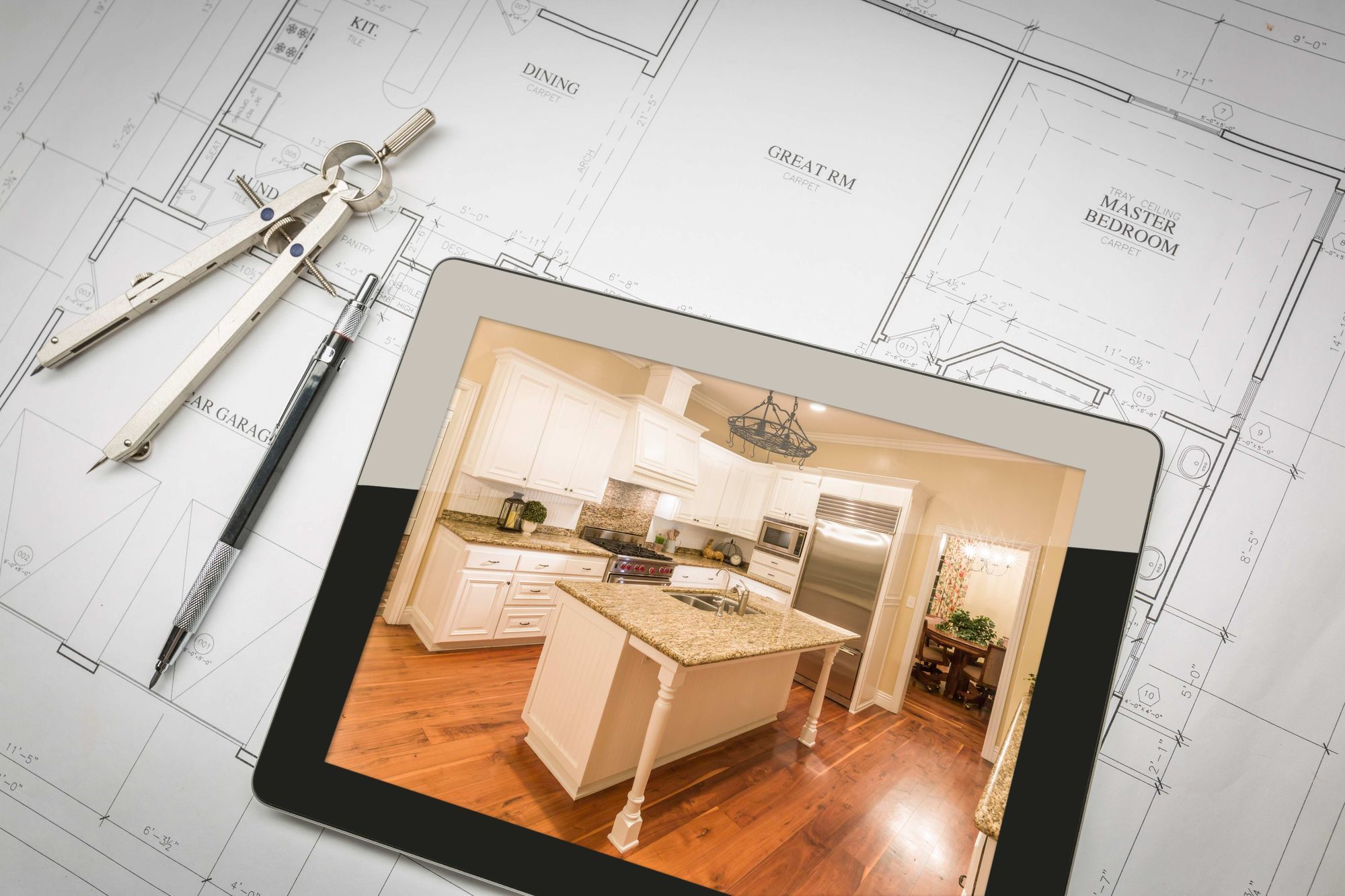
While not a legal requirement, professional design input can significantly improve outcomes for rear extensions. Fees typically fall between 5–10% of the build cost and often pay for themselves through smarter layouts, reduced errors and clearer budget planning.
Well-considered designs can:
- Improve how space is used day to day
- Increase the likelihood of planning approval
- Reduce costly changes during construction
- Provide clearer cost forecasting across project stages
Early coordination also helps identify structural requirements and technical constraints before they become expensive problems on site.
When structural expertise becomes essential
Rear extensions usually require structural calculations, particularly where walls are removed or new openings are introduced. Structural specialists ensure the building remains safe and stable once changes are made.
Fees typically range between £950 and £2,500, depending on complexity. Their involvement usually follows planning approval and feeds directly into building regulations compliance.
Smart ways to reduce costs without cutting corners
High-quality results don’t always require premium spending. Strategic decisions can preserve both design integrity and budget.
Be selective with finishes
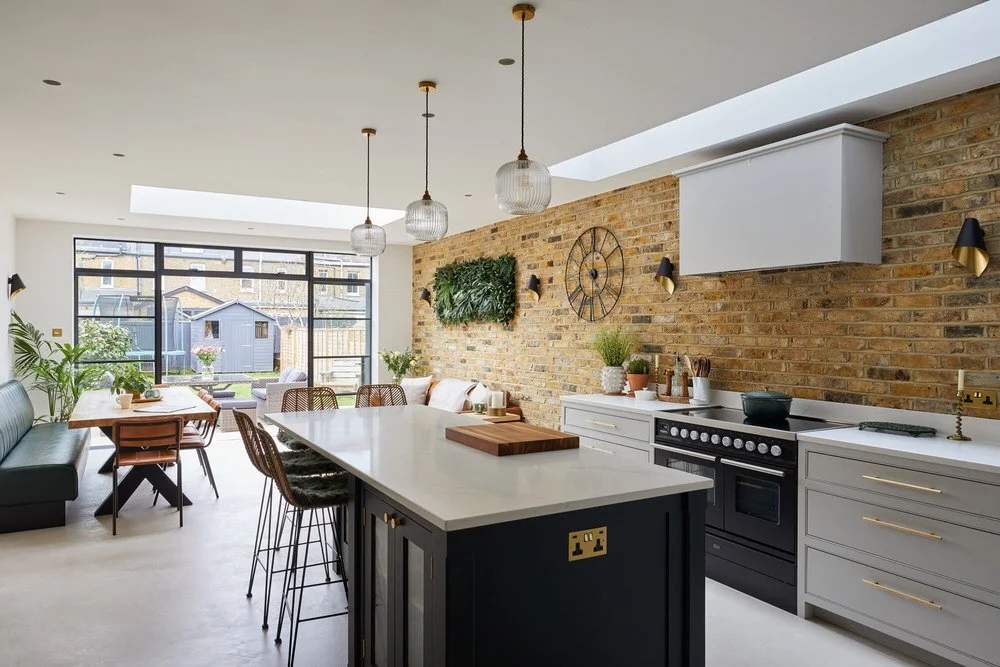
Invest in architectural features that add long-term value, while opting for simpler, replaceable fittings elsewhere. Elements like exposed brickwork or roof glazing tend to age well, whereas bespoke fixtures often depreciate quickly.
Keep structural layouts efficient
Straightforward forms and modest spans reduce the need for heavy structural support. Larger or more complex extensions require additional steelwork, which can quickly inflate costs.
Choose cost-effective materials with care
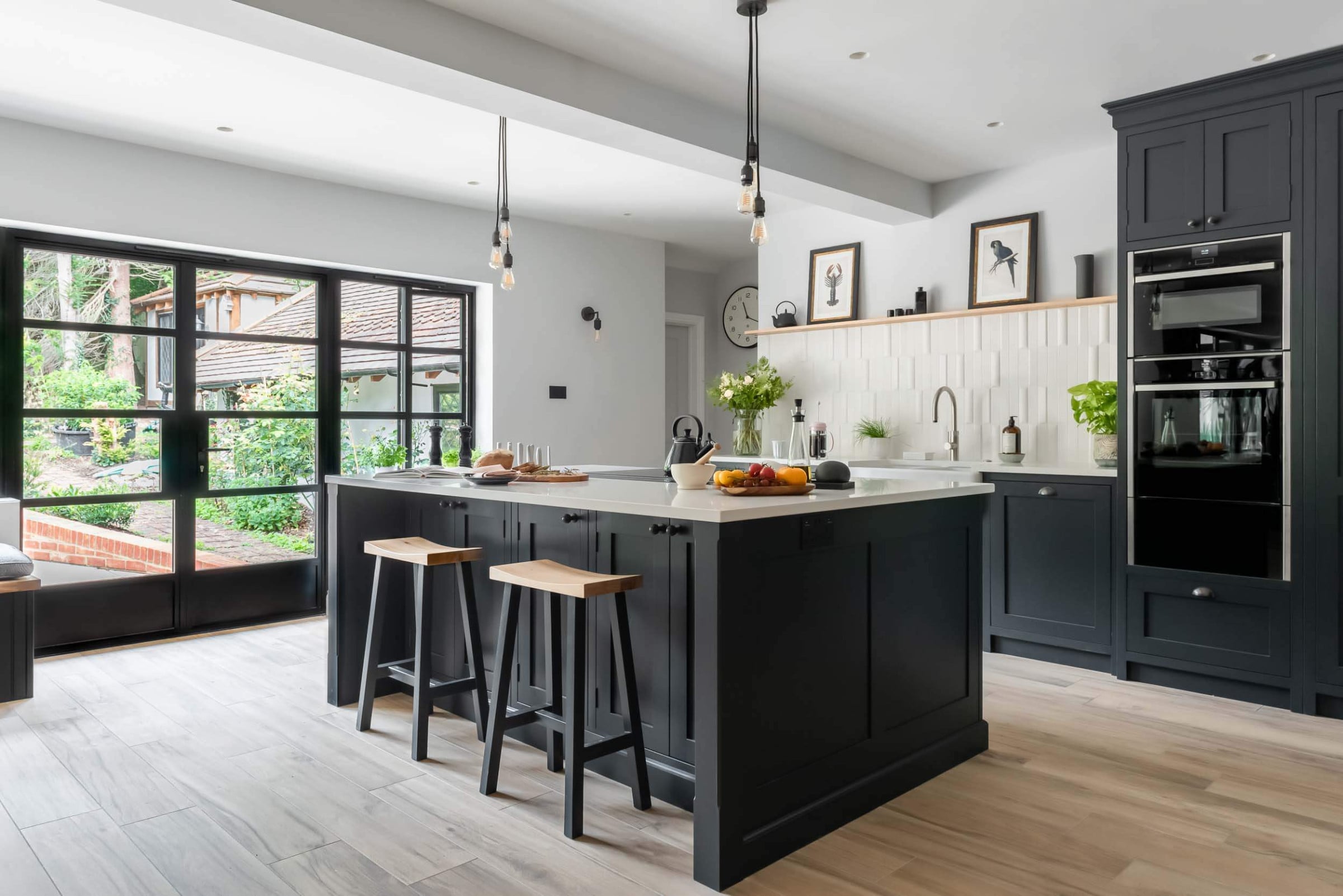
High-quality alternatives can replicate the appearance of premium materials at a fraction of the price. Engineered finishes, composite materials and modern laminates often deliver durability and visual appeal without the premium price tag.
Balance glazing choices
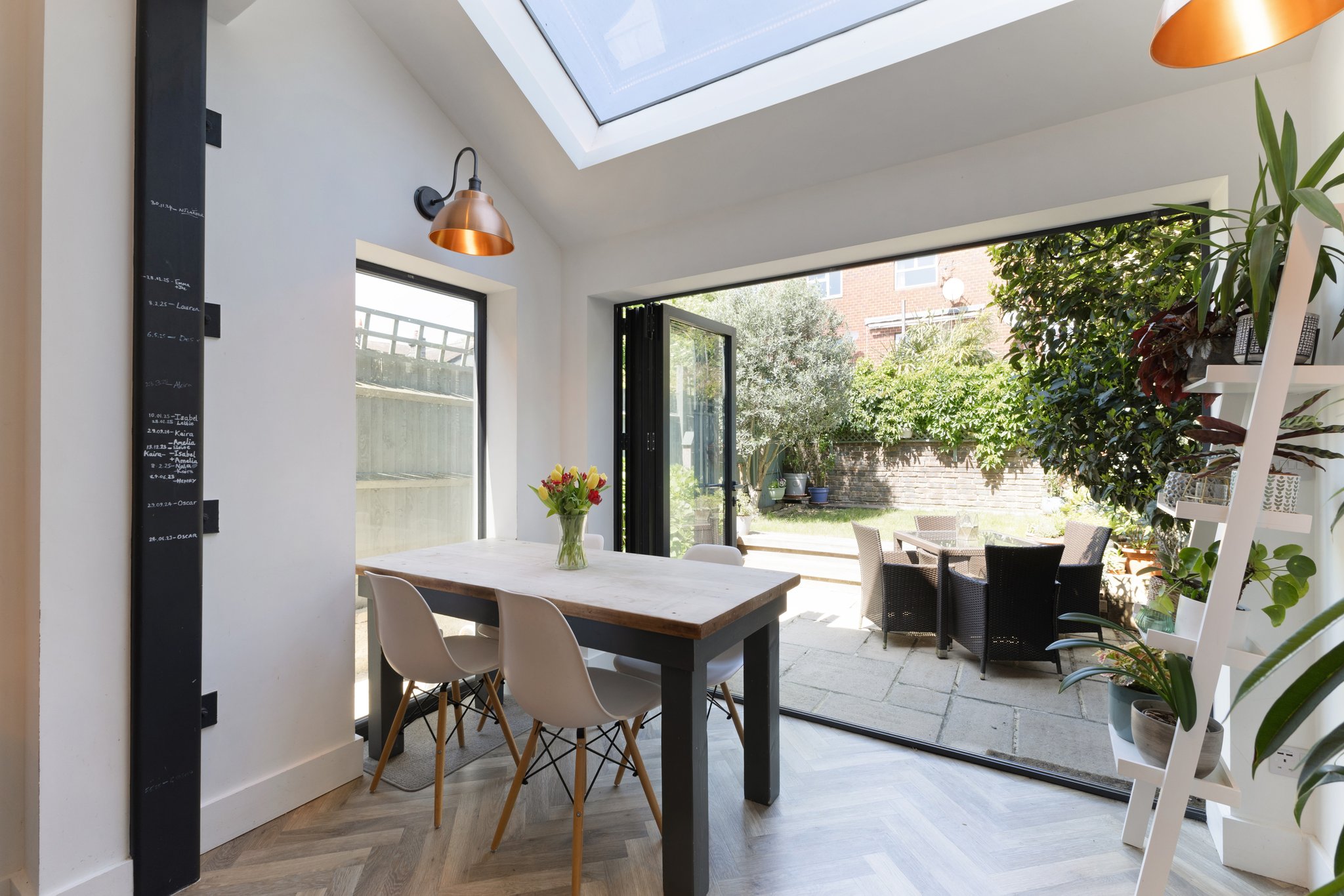
While large glazed elements are popular, they often require structural glass and additional support. Grouped skylights can achieve similar light levels for less, freeing up budget for other features like large doors or improved insulation.
Planning your next step
A rear extension is a significant investment, but with clear budgeting and informed design decisions, it doesn’t have to exceed expectations. Understanding where costs arise — and where savings are possible — gives you control from the outset.
If you’re exploring options or want tailored guidance based on your home and goals, a professional consultation can help clarify what’s achievable and how to make your budget work harder.
.png)

.jpeg)


With over 500+ projects completed nationwide.



