Rustic living room inspiration for a warm, relaxed home

If you’re hoping to give your living room a more grounded, welcoming feel, rustic interiors are a popular place to start. This look works just as well in compact urban homes as it does in rural properties, using texture, natural materials, and a sense of comfort to create a lived-in atmosphere.
Below, we break down the key rustic-related styles and explore how each one can shape the mood of your living space.
Understanding the differences between rustic, country, and cottage styles
These three interior approaches share a love of warmth and character, but each brings its own personality. Knowing how they differ can help you choose a direction that feels right for your home.
The essence of rustic interiors
Rustic design focuses on creating a connection between indoor spaces and the natural world. Raw or minimally processed materials play a central role, often with an emphasis on texture and imperfection.
In a living room, this might include:
- Exposed timber features or reclaimed wood furniture
- Stone, brick, or slate elements that add visual weight
- Soft furnishings made from linen, wool, or cotton
- A neutral, earthy colour palette inspired by nature
The overall effect is relaxed and informal, with comfort taking priority over polish.

What defines a country-style living room?
Country interiors aim to feel welcoming and familiar, drawing inspiration from traditional homes and slower-paced living. While natural materials are still important, there’s often more colour and pattern involved than in rustic spaces.
Common characteristics include:
- Light, uplifting colours paired with gentle patterns
- Layered textiles such as cushions, throws, and curtains
- Statement features like a fireplace as a visual anchor
- A mix of practical furniture and decorative details
Country living rooms are designed to feel lived-in and sociable, encouraging people to settle in and stay awhile.
The charm of cottage-inspired living spaces
Cottage style shares the warmth of rustic and country interiors but leans more heavily into individuality and nostalgia. It often celebrates furniture and décor with a sense of history.
To introduce cottage character, look for:
- Vintage or second-hand furniture with unique details
- Painted wood panelling or softly finished timber surfaces
- Smaller-scale furniture that enhances a cosy feel
- Personal touches that give the room a collected, layered look
Upcycling and restoration are common in cottage interiors, allowing older pieces to take centre stage.
Rustic living room ideas in practice
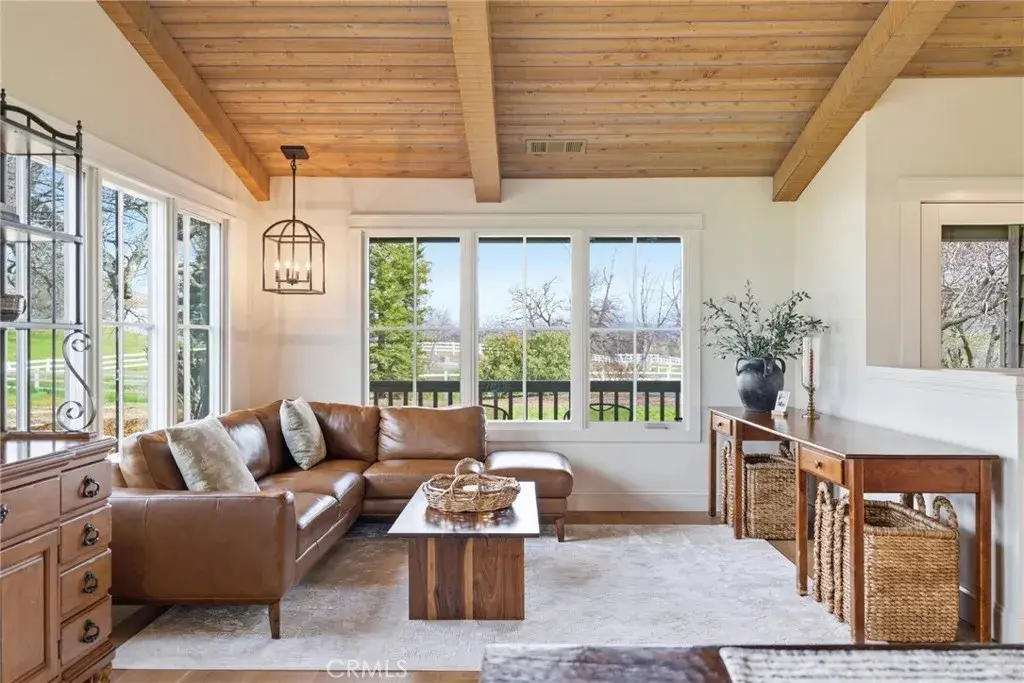
Rustic living rooms often rely on a few strong material choices rather than large-scale changes. Adding wooden furniture, textured upholstery, or exposed brickwork can instantly soften a modern space and introduce warmth without overwhelming it.
Simple adjustments, such as swapping glossy finishes for matte surfaces or introducing rattan and leather accents, can make a noticeable difference.
Country-style living room ideas in practice
Country-inspired spaces tend to focus on balance. Neutral backgrounds are paired with natural textures and subtle decorative layers to create comfort without clutter.
Stone features, woven rugs, and gently patterned fabrics help shift a contemporary room toward a more relaxed, countryside feel while still keeping it light and open.

Cottage-style living room ideas in practice
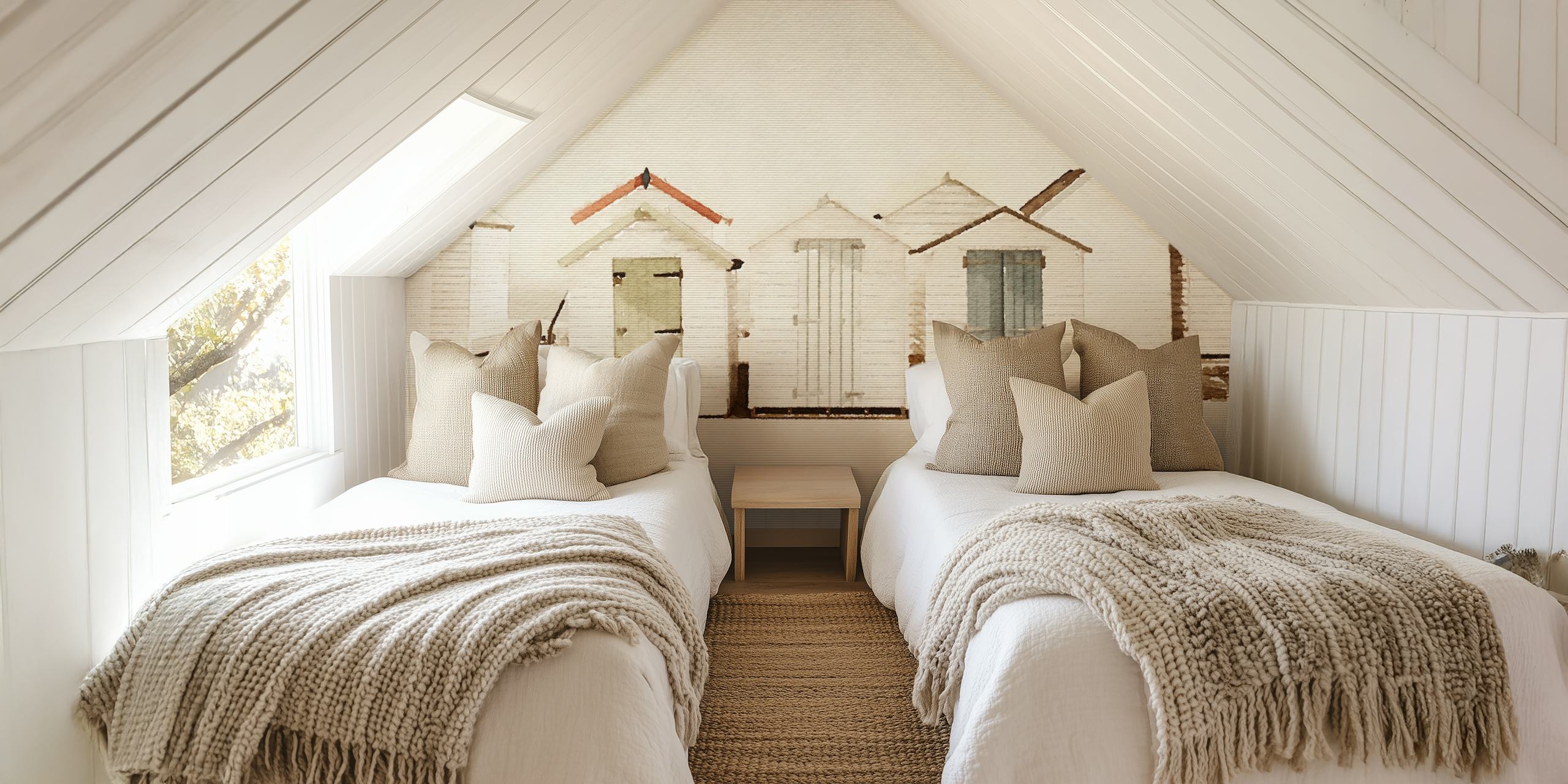
Cottage living rooms shine when existing architectural features are embraced. Sloped ceilings, exposed brick, or timber details naturally enhance the sense of intimacy.
Adding painted wood finishes, soft lighting, and tactile fabrics can further amplify warmth, making the space feel snug and inviting.
Visualising your own rustic living room
Exploring different finishes, materials, and layouts before committing can help you refine your ideas and avoid costly mistakes. Testing combinations of textures and colours is often the best way to discover which style feels most natural in your space.
.png)

.jpeg)



With over 500+ projects completed nationwide.



