Smart Ways to Create an Extra Room Without Overspending

When space starts to feel tight, it often shows up everywhere — clutter builds, rooms lose flexibility, and everyday routines begin to overlap. With more people working, relaxing and exercising at home, the demand for additional room has grown steadily.
The good news is that gaining extra space doesn’t always mean a full-scale extension. From reworking what you already have to carefully chosen additions, there are several ways to add another room while keeping costs under control.
Using the space you already own
Before building outward, it’s worth assessing what’s already within your home. Areas that are underused or purely functional can often be transformed into practical rooms with the right approach.
Converting below-ground areas
Estimated cost: £20k–£60k
Basements can be adapted for different purposes depending on how they’re intended to be used. Non-habitable rooms such as gyms, utility spaces or storage typically require fewer upgrades, keeping costs lower.
If the goal is to create a bedroom or living area, additional requirements come into play — particularly around daylight, ventilation and outlook. Features such as light wells can make a basement suitable for everyday use, but they also increase complexity and budget.
Making use of roof space
Storage-only: £5k–£8k
Habitable conversion: £40k–£70k
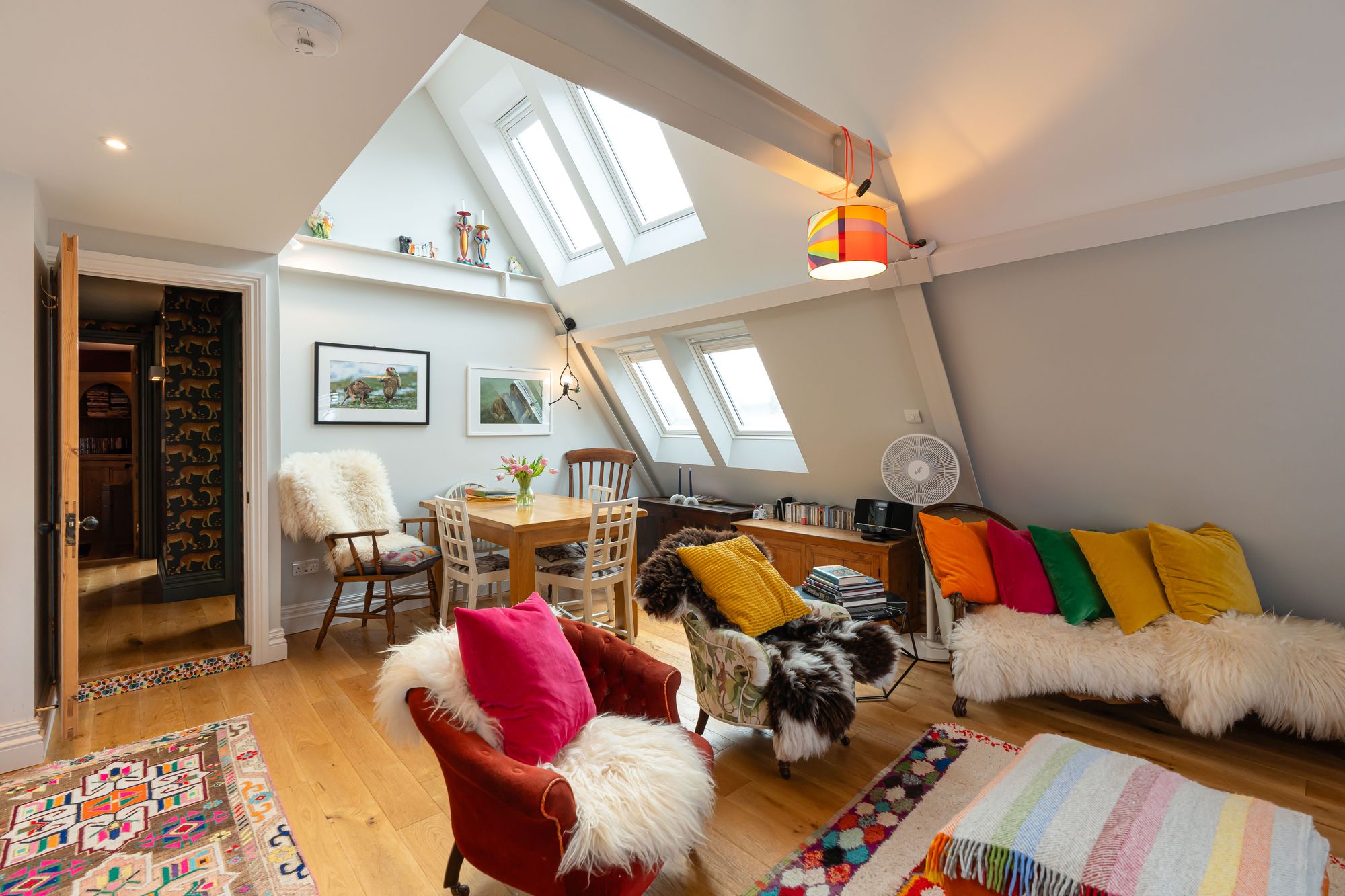
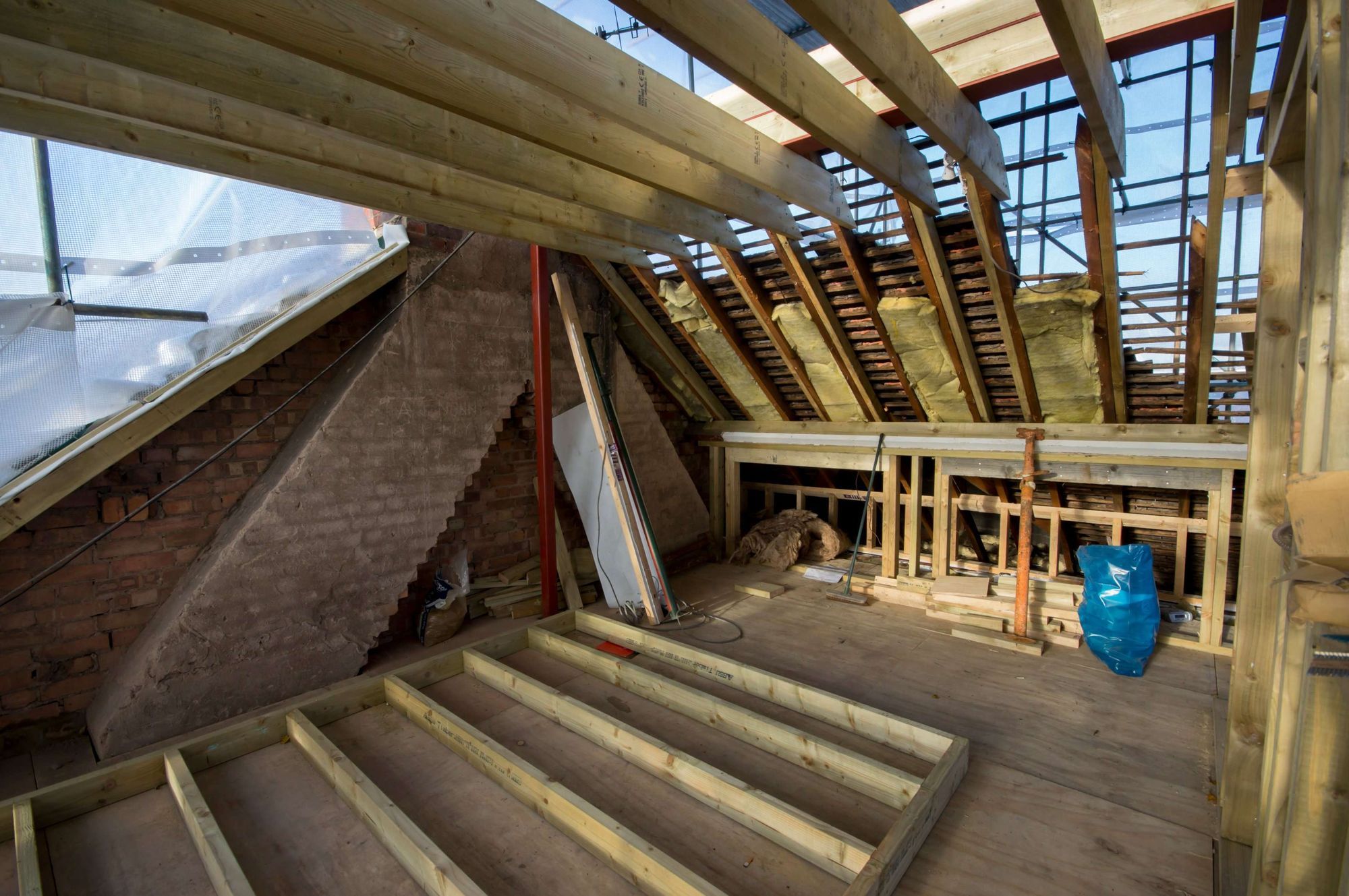
Lofts are often overlooked, yet they hold significant potential. Simple upgrades for storage are relatively affordable, while full conversions require structural reinforcement, insulation, compliant stair access and natural light through roof windows or dormers.
The intended use of the space will largely determine the cost, so it’s important to be clear early on whether the room is meant for occasional use or daily living.
Repurposing a garage
Estimated cost: £15k–£35k
Garages frequently become dumping grounds rather than functional spaces. Converting one into a study, guest room or snug can be one of the most cost-effective ways to gain an additional room, particularly when major structural alterations aren’t required.
As with any conversion, suitability depends on layout, construction type and local planning considerations, so early checks are essential.
Building new space onto your home
When internal options are limited, extending the footprint of your property may be the right solution. Costs vary widely depending on size, design and site conditions, but the impact on daily living can be substantial.
Extending into side space
Estimated cost: £80k–£180k
Homes with unused side access or alleyways can sometimes expand laterally. This approach allows valuable internal space to be added without reducing garden depth, making it particularly appealing for certain property types.
Adding space to the rear
Estimated cost: £80k–£180k+
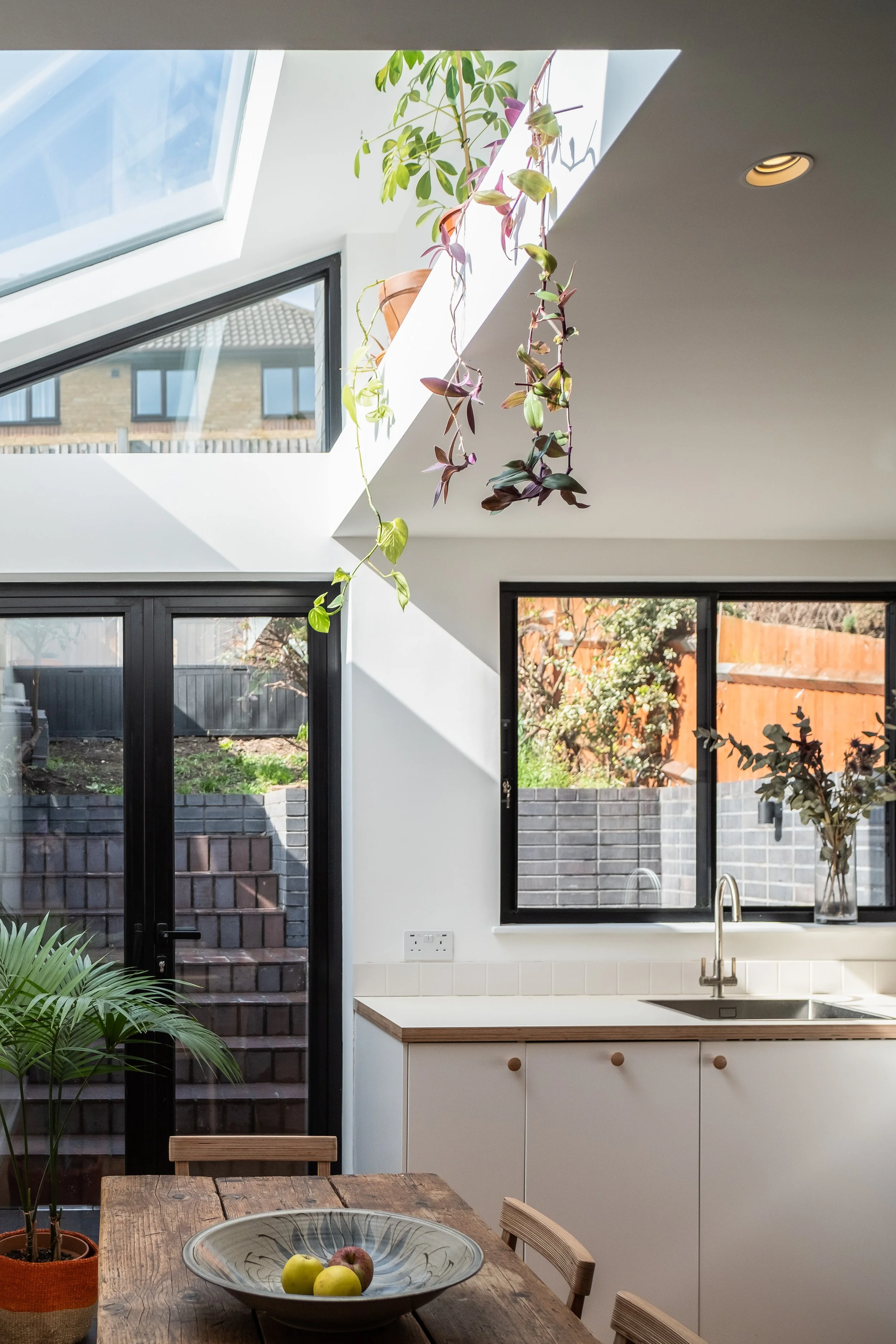
Rear extensions offer flexibility in both size and layout, whether the aim is a single additional room or a larger reconfiguration of living areas. Garden access, planning constraints and construction complexity all influence the final cost.
Considering modular or prefabricated rooms
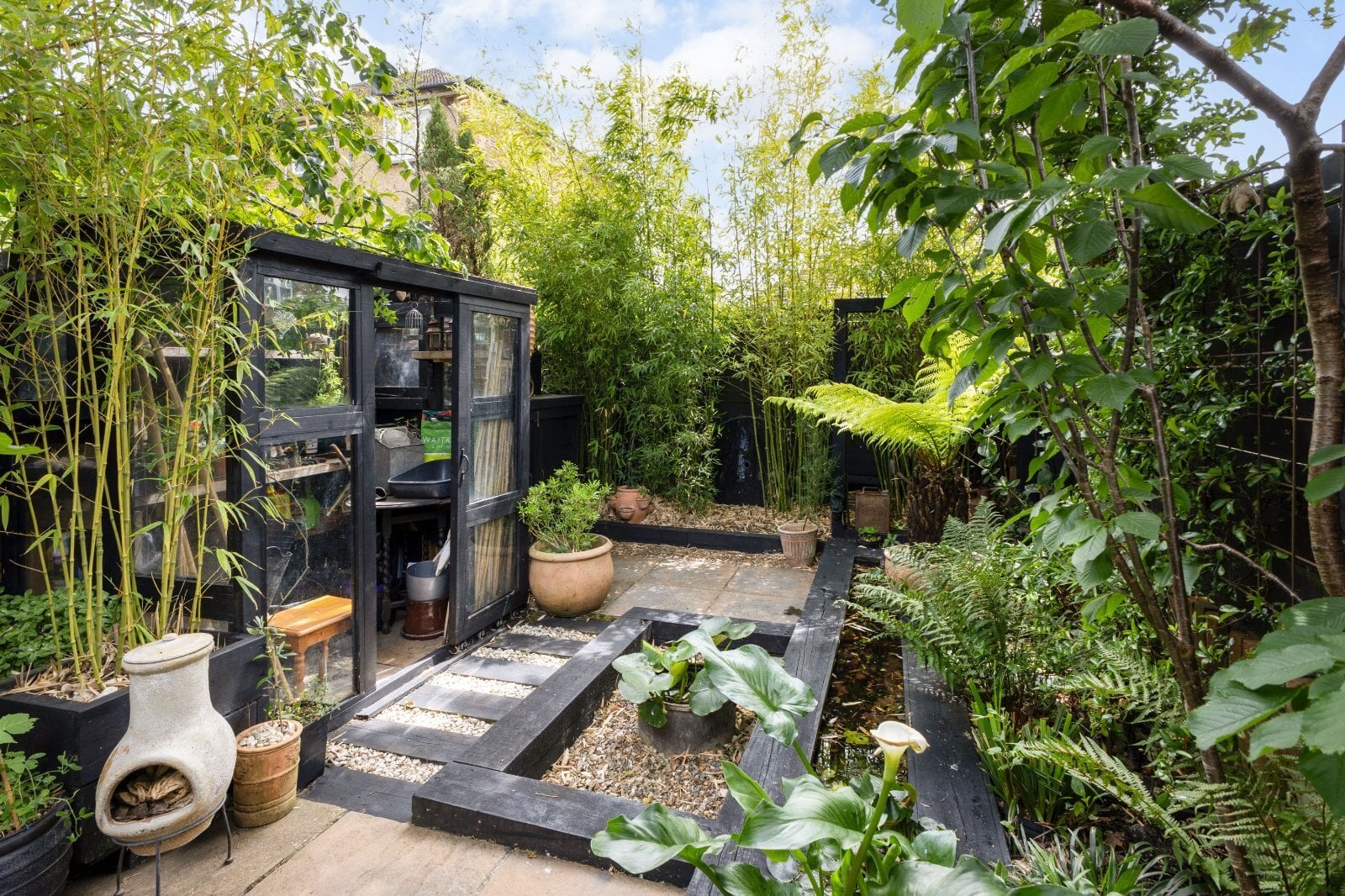
Prefabricated rooms are built off-site and installed once ready, often reducing on-site build time. While this can be appealing, costs aren’t always lower.
Transport, access limitations and the challenge of fitting prefabricated structures into older or irregular buildings can quickly add expense. In terraced homes, for example, crane access alone can significantly affect the budget.
Creating a room without adding square metres
Internal partitions and flexible layouts
Estimated cost: £2k–£5k
Sometimes the most affordable solution is simply rethinking how existing space is divided. Installing a partition wall or a set of internal doors can carve out a new room with minimal disruption.
This approach works particularly well in larger open-plan areas, allowing spaces to be closed off when privacy or quiet is needed.
Keeping your budget under control
Plan with cost-efficiency in mind
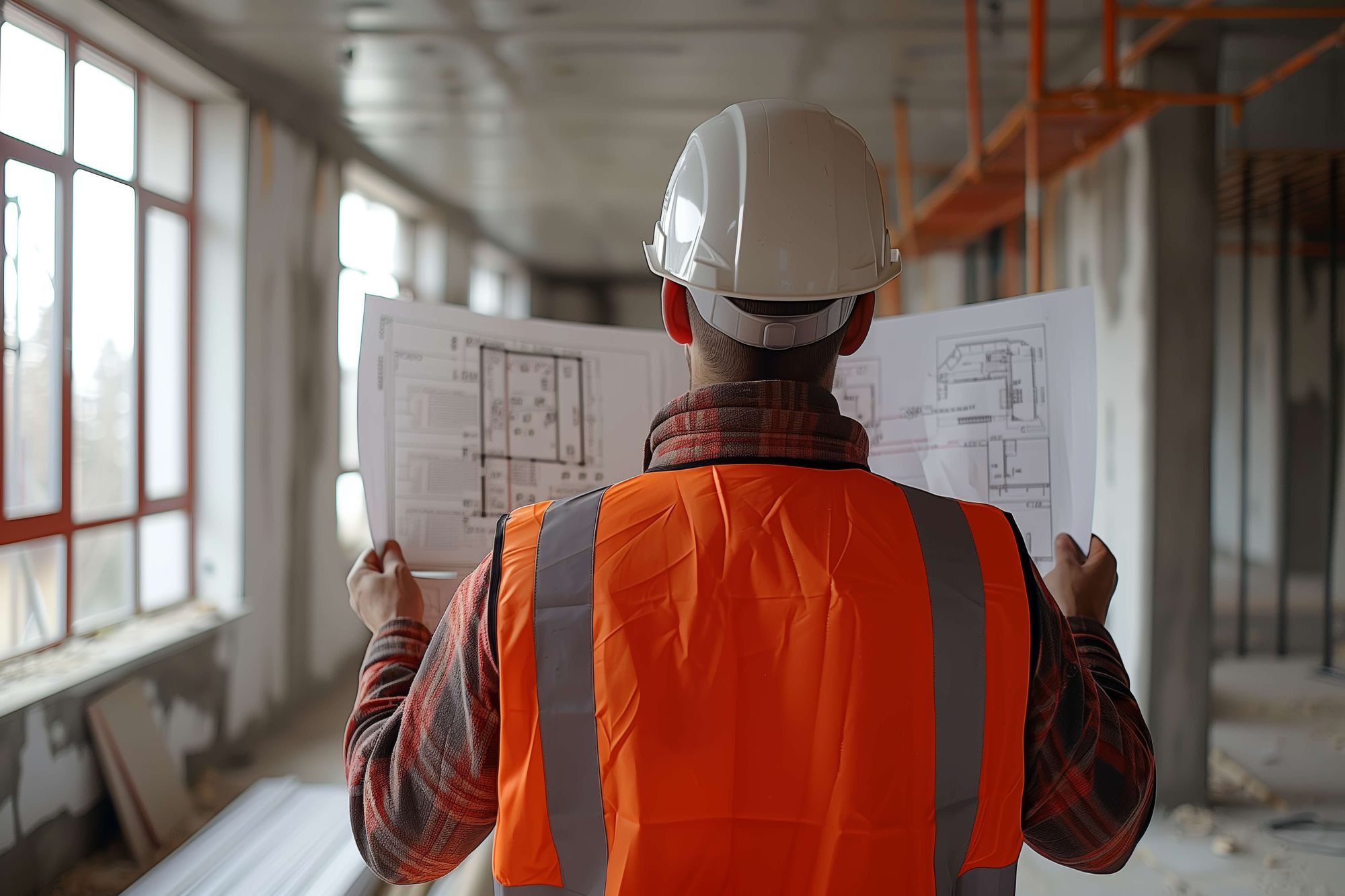
Working with professionals who understand both design and construction can help avoid unnecessary complexity. Clear drawings, realistic specifications and early cost awareness all play a role in keeping spending in check.
Make rooms work harder
If adding a new room isn’t feasible right now, improving how existing rooms function can still make a big difference. Multifunctional layouts, smart storage and visual separation can dramatically improve usability without major investment.
Simple measures such as freestanding screens, better organisation systems and decluttering can relieve pressure on your home while you plan longer-term improvements.
Final thoughts
Adding an extra room doesn’t always require the most expensive solution. By carefully weighing conversions, extensions and internal reconfiguration, it’s possible to create meaningful extra space without stretching finances too far.
The key lies in understanding what your home can offer — and choosing the option that delivers the biggest impact for your budget.
.png)

.jpeg)

With over 500+ projects completed nationwide.



