Structural Insulated Panels (SIPs): What They Are and How They’re Used

As construction methods continue to evolve, Structural Insulated Panels — more commonly referred to as SIPs — are increasingly being used in residential building projects. Known for combining structure and insulation into a single component, SIPs offer an alternative to traditional timber framing that prioritises performance, speed, and energy efficiency.
This guide explains what SIPs are, how they work, and where they tend to be used in modern construction.
What are Structural Insulated Panels?
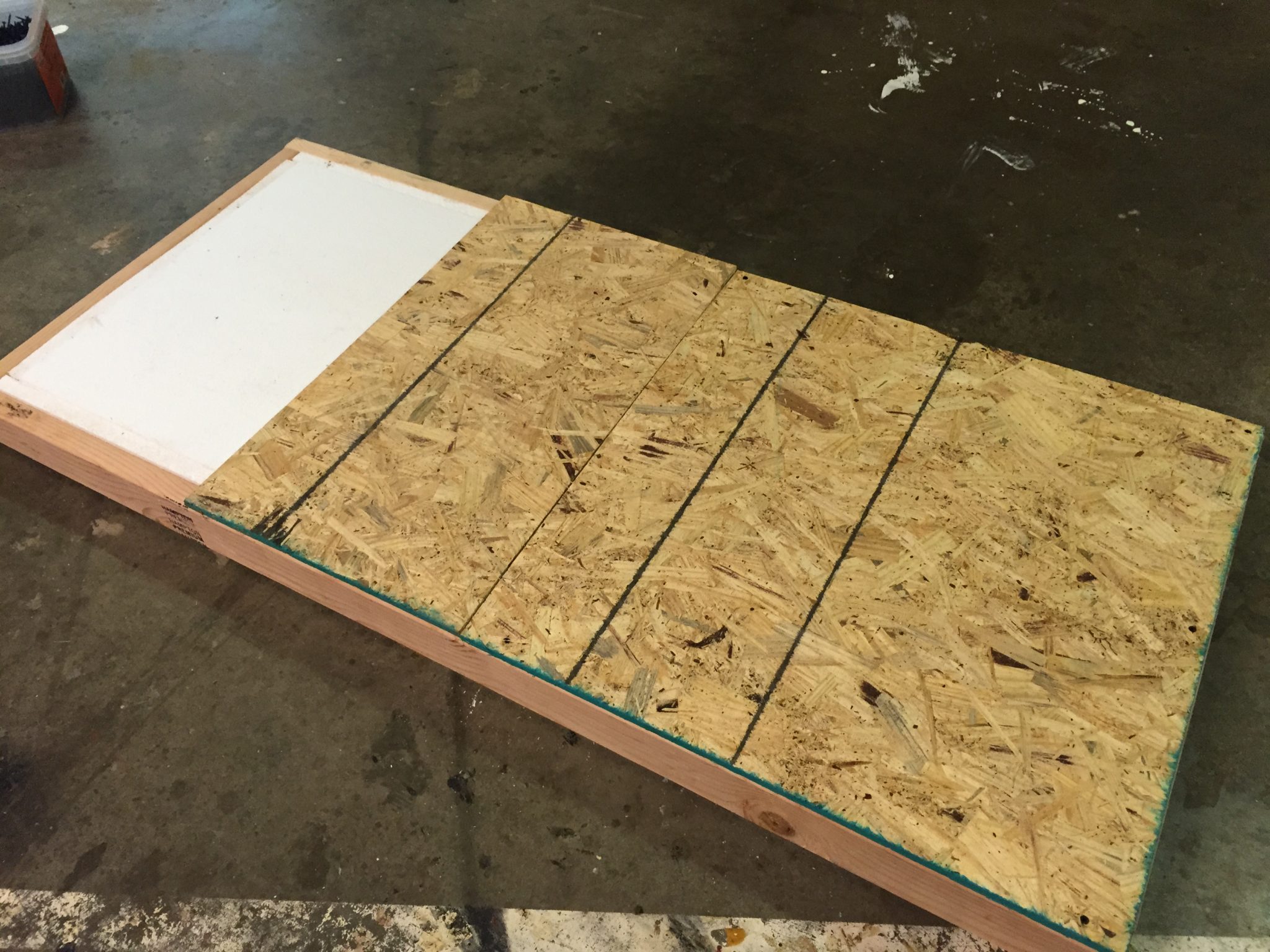
SIPs are prefabricated building panels made by bonding an insulating core between two structural boards. Once assembled, the panel acts as both a load-bearing element and a thermal barrier.
Because SIPs are manufactured in controlled factory environments, they are produced to precise dimensions and delivered to site ready for installation. This level of accuracy helps reduce construction time and material waste.
How SIPs are constructed
Each SIP is formed from three key elements working together as a single system:
- Structural facings
Typically made from oriented strand board (OSB), these outer layers provide strength and rigidity. - Insulation core
Usually expanded polystyrene (EPS) or polyurethane foam, responsible for thermal performance and airtightness. - Bonding system
High-strength adhesives permanently fuse the layers, allowing the panel to act as a unified structural component.
This composite structure allows SIPs to perform functions that would otherwise require multiple separate materials.
How buildings are constructed using SIPs
SIPs construction differs from traditional on-site framing by shifting much of the work off-site.
The process typically follows four main stages:
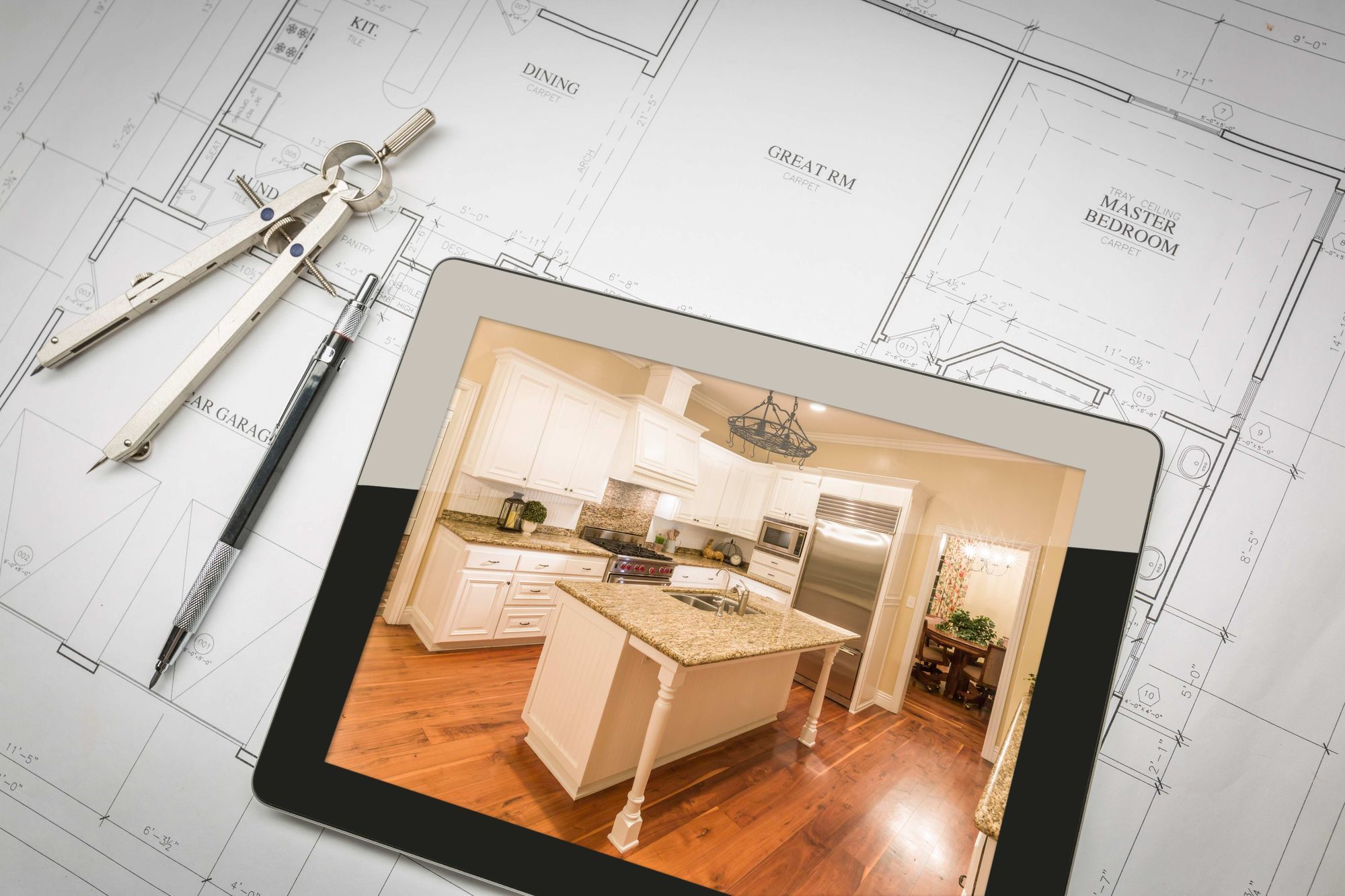
- Design coordination
The building layout is developed with SIP dimensions in mind, ensuring structural and thermal continuity. - Panel manufacture
Panels are fabricated to specification, including openings for doors, windows, and services where required. - On-site assembly
Panels are installed rapidly to form walls, roofs, and sometimes floors. - Fit-out and finishes
External cladding, internal finishes, and building services are added once the structure is complete.
This approach can significantly reduce time spent on site compared to traditional construction methods.
Why SIPs are used in building projects
SIPs are chosen for a combination of practical and performance-related reasons.
Build speed
Prefabrication allows structures to be weather-tight quickly, shortening overall build programmes.
Thermal performance
The continuous insulation layer limits heat loss and reduces thermal bridging, helping buildings meet high energy-efficiency standards.
Structural efficiency
SIPs offer a strong strength-to-weight ratio and can span larger distances than traditional framing in certain applications.
Airtightness
Fewer joints and consistent construction improve airtightness, which supports both energy efficiency and indoor comfort.
Where SIPs are typically used
Structural Insulated Panels can be used across multiple parts of a building, including:
- External and internal walls
- Roof structures
- Floor systems
- Certain raised or insulated foundation solutions
Their adaptability makes them suitable for extensions, new homes, and small-scale commercial buildings.
Panel sizes and configuration options
SIPs are available in a range of thicknesses and dimensions depending on structural and insulation requirements.
Typical characteristics include:
- Standard widths around 1.2 metres
- Lengths varying to suit structural spans
- Thicknesses selected based on insulation targets and load requirements
Panels can be customised to include service voids, pre-cut openings, and connection details, reducing the need for on-site alterations.
Design flexibility with SIPs
Because SIPs combine structure and insulation, they allow designers to explore layouts that can be more difficult to achieve using conventional framing.
Common design outcomes include:
- Open-plan interiors
- Vaulted or pitched ceilings
- Reduced internal wall thickness
- Large glazed openings
This makes SIPs particularly attractive for energy-efficient homes where spatial quality and performance are both priorities.
Sustainability and environmental considerations
SIPs are often associated with lower environmental impact when compared to traditional building systems.
Key factors include:
- Reduced operational energy use
- Lower material waste during construction
- Fewer deliveries to site
- Long service life when properly detailed
Many manufacturers also use responsibly sourced timber products and are developing lower-impact insulation materials.
Things to consider before choosing SIPs
While SIPs offer clear benefits, they are not suitable for every project.
Points to be aware of include:
- Higher upfront costs compared to basic timber framing
- Specialist installation knowledge required
- Limited flexibility for late design changes
- Careful detailing needed to manage moisture and ventilation
Early design coordination is essential to avoid complications later in the build process.
The future of SIPs construction
Ongoing development in panel technology continues to expand what SIPs can offer. Areas of active innovation include:
- Improved fire performance
- Bio-based insulation cores
- Integration with smart building systems
- Advanced manufacturing techniques
As energy standards tighten and off-site construction becomes more common, SIPs are expected to play a growing role in residential building.
Final thoughts
Structural Insulated Panels offer a highly efficient way to build well-insulated, structurally sound buildings with reduced construction time. While they require careful planning and specialist input, SIPs provide a compelling alternative to traditional methods for homeowners and designers focused on performance and sustainability.
Used appropriately, SIPs can support durable, comfortable homes that meet modern expectations for energy efficiency and build quality.
.png)

.jpeg)

With over 500+ projects completed nationwide.



