The Complete Homeowner’s Guide to Loft Conversions

Do you have an unused attic that’s currently doing nothing but collecting dust? Are you running out of space at home, or thinking ahead about adding long-term value to your property?
A loft conversion can help you unlock extra living space while potentially increasing your home’s value by up to 20%. This guide walks you through everything you need to know — from understanding what a loft conversion is, to permissions, costs, and choosing the right approach for your home.
Understanding Loft Conversions
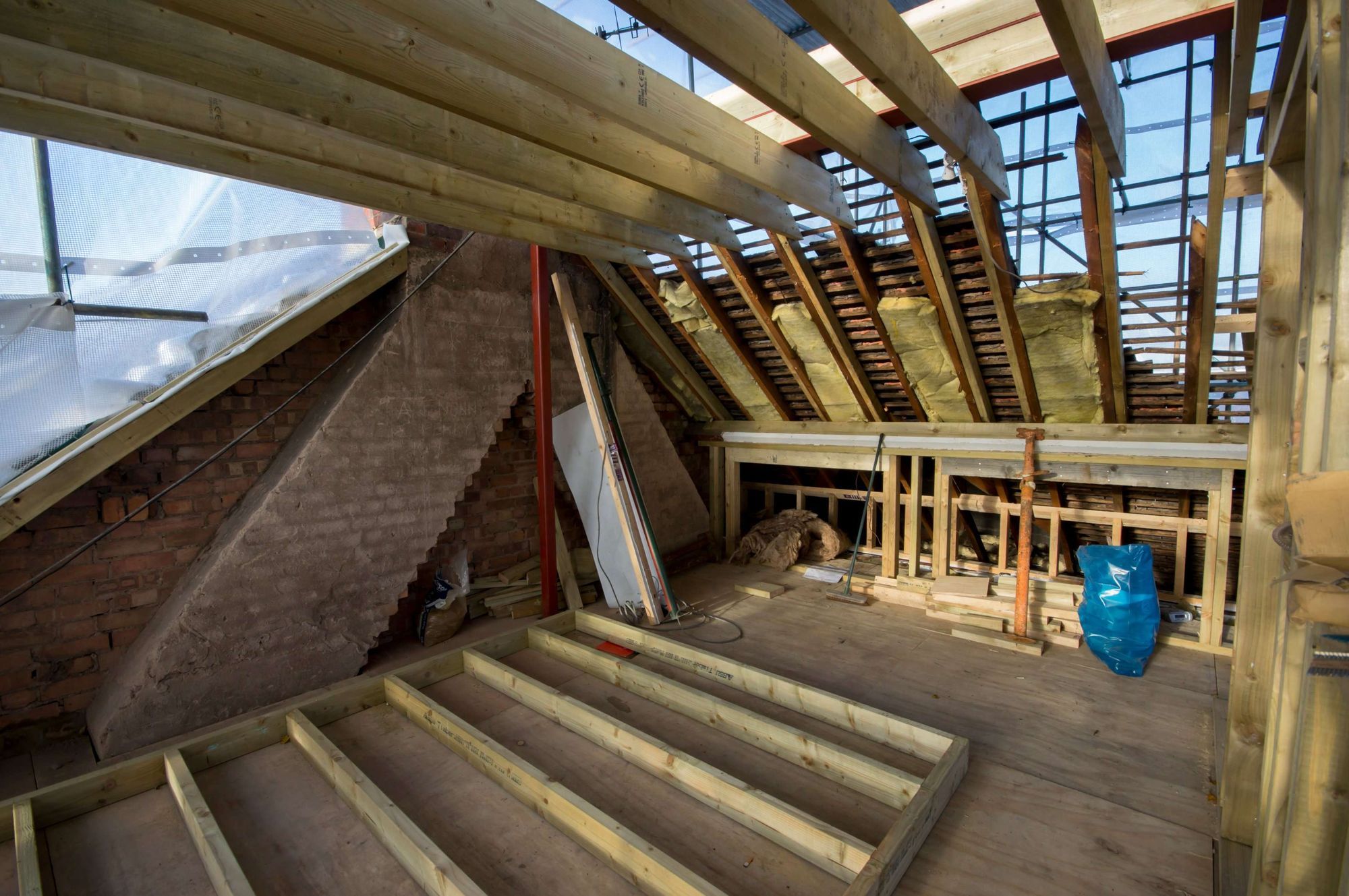
A loft conversion involves transforming an unused attic into a functional, habitable room. This could be anything from an additional bedroom or home office to a gym, playroom, or guest suite.
Loft conversions have become increasingly popular across the UK because they make use of existing space without extending the footprint of the property.
Why Homeowners Choose Loft Conversions
Gain valuable living space
If your household is growing, you’re working from home more often, or you simply want more breathing room, a loft conversion offers a practical solution without sacrificing garden space.
Improve how your home works for you
Many homeowners use lofts to create peaceful retreats, hobby rooms, or private areas away from busy family zones.
Boost resale value
Properties with well-designed loft conversions often command higher resale prices. Multiple studies and market analyses suggest value increases of up to 20%, depending on layout, location, and quality of work.
Permissions and Regulations Explained
Do you need planning permission?
Not every loft conversion requires formal planning permission. Some projects fall under permitted development rights, depending on the type and scale of work.
However, more substantial roof alterations usually require approval from your local planning authority.
What about building regulations?
All loft conversions must comply with building regulations. These cover:
- Structural safety
- Fire protection
- Insulation and ventilation
- Staircase design and access
If your home is located in a designated or protected area, additional restrictions may apply.
Key Development Limits to Be Aware Of
- Typical constraints may include:
- Keeping the extension within specific volume limits
- Not exceeding the height of the existing roof
- Using materials that match the original property
- Avoiding over-dominant or visually intrusive designs
These requirements help ensure loft conversions remain in keeping with the surrounding area.
Common Types of Loft Conversions
Roof window (skylight) conversion
This is the simplest option, involving the installation of roof windows without altering the roof structure. It’s cost-effective and ideal if your loft already has enough headroom.
Dormer conversion
Dormers extend vertically from the existing roof, increasing usable floor space and head height. They are one of the most popular choices due to their balance of space gained and construction complexity.

Mansard-style conversion
This option reshapes one side of the roof to create near-vertical walls and a flat top. It offers maximum internal space and blends well with traditional property styles, but usually requires full planning approval.

Hip-to-gable conversion
Commonly used on properties with sloping side roofs, this approach straightens the roofline to form a vertical wall, significantly improving space and layout flexibility.

Which Option Is Right for Your Home?
The best loft conversion depends on:
- Your property type
- Roof shape and height
- Budget and long-term goals
- Whether you want minimal disruption or maximum space
Some options suit most homes, while others work best for specific layouts such as end-terrace or detached properties.
How Much Does a Loft Conversion Cost?
Costs vary depending on size, complexity, and finish level. As a general guide, loft conversions in the UK typically range from £55,000 to £80,000 or more.
Factors that influence price include:
- Structural alterations
- Staircase design
- Bathrooms or plumbing
- Planning and compliance requirements
Obtaining multiple quotes is essential to understand what’s included and avoid surprises.
Finding the Right Loft Conversion Specialist
Once you know what you want to build, choosing the right professional becomes crucial.
Start by researching specialists who focus specifically on loft conversions. Look for:
- Proven experience with similar homes
- Clear examples of completed projects
- Transparent pricing and timelines
- Support with permissions and approvals
Online directories and homeowner platforms can help you shortlist options in your area. Always take time to compare approaches before committing.
Ready to Transform Your Loft?
By now, you should have a clear understanding of how loft conversions work, what permissions may be required, and how they can add both space and value to your home.
With the right planning and professional support, your unused attic can become one of the most valuable and enjoyable spaces in your property.
.png)

.jpeg)


With over 500+ projects completed nationwide.



