Understanding single-storey wraparound extensions

A single-storey wraparound extension is a ground-floor addition that expands a home in two directions at once. Instead of extending straight out to the rear or only filling in space at the side, this approach connects both areas into one continuous layout that wraps around the existing building footprint.
The result is a more generous internal floor area that feels cohesive rather than bolted on. By absorbing narrow side land and combining it with a rear expansion, homeowners can unlock space that would otherwise remain unused or awkwardly disconnected.
This layout is particularly effective when the aim is to create larger, open-plan living environments that still feel balanced and well-proportioned.
What is a wraparound?
A wraparound is traditionally seen on period properties that have alleyway space to the back of their property. This dead space, common on Victorian buildings, allows you to extend to both the side and to the back, creating an L shape that wraps around existing space.
What is a single-storey wraparound extension?
A single-storey wraparound extension extends along the rear of the property and infills space to the side, forming an L-shape. This layout allows you to reclaim awkward or underused side passages while still pushing the main living space outwards.
Because it works around the existing footprint rather than directly behind it, the result often feels more natural and better connected to the rest of the home. — with costs covered by the homeowner carrying out the work.
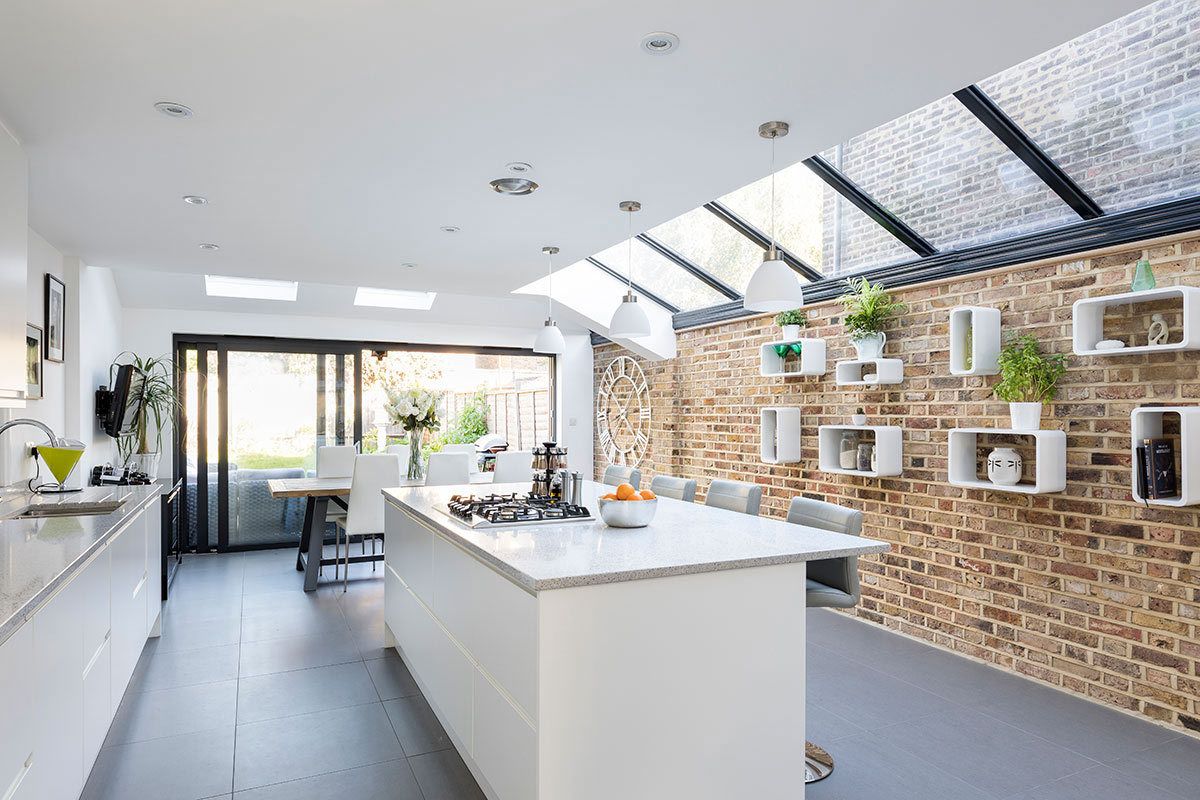
Key design considerations
To get the most from a single-storey wraparound extension, homeowners often prioritise:
- Rooflights or glazed roof sections to maximise daylight
- Wide sliding or folding doors to connect the garden
- Open layouts with clearly defined zones
- Consistent flooring to visually enlarge the space
Early technical planning helps ensure these features are achievable without unexpected cost increases later.
Final thoughts
A single-storey wraparound extension is one of the most effective ways to transform the ground floor of a home. While it typically costs more than a simple rear extension, it offers greater flexibility, better light, and a more natural flow between spaces.
Understanding planning requirements, party wall obligations, and full project costs early on is the key to a smooth and successful build.
.png)

.jpeg)


With over 500+ projects completed nationwide.



