Understanding the Rules That Apply to Listed Properties

Owning a listed building comes with a unique blend of character, history and responsibility. With hundreds of thousands of listed properties across England, it’s no surprise that homeowners often find the regulations surrounding alterations and extensions difficult to navigate. This guide outlines how listing works, why it matters, and what you should be aware of before planning any changes.
How a building becomes listed
A property may be listed if it is recognised as having architectural, historic or cultural importance. Factors such as age, construction method, rarity or associations with significant historical figures can all contribute to a building being added to the register.
Once listed, the property is legally protected to ensure that its special interest is preserved for future generations.

The different listing grades explained
Listed buildings are categorised into three grades, each carrying a different level of significance and control:
- Grade I
Representing a very small proportion of listed buildings, these are considered to be of exceptional national importance. - Grade II*
Buildings in this category are particularly significant and sit just below Grade I in terms of protection. - Grade II
The vast majority of listed buildings fall under this grade and are recognised as being of special interest.
The higher the grade, the more stringent the controls are likely to be when it comes to making changes.
Why listing status matters
Listing introduces additional safeguards designed to protect a building’s historic fabric, appearance and setting. These protections can apply to external features, internal layouts, original materials and even fixtures that might not be immediately obvious.
While this ensures the long-term preservation of important buildings, it also means that certain works require careful consideration and formal approval before they can proceed.
If you’re unsure whether a property is listed or what protections apply, Historic England’s online register can help clarify this.
Common hurdles homeowners face
Once a building is listed, consent is usually required for works that would affect its character. This may include alterations, extensions or partial demolition. In many cases, Listed Building Consent is needed in addition to standard planning permission.
To apply, homeowners must work closely with their Local Planning Authority, providing detailed information about the proposed changes and how they will respect the building’s significance. Decisions are typically issued within eight weeks, although more complex proposals can take longer.
Carrying out work without the appropriate consent can lead to enforcement action, including requirements to undo unauthorised changes — so due diligence is essential.
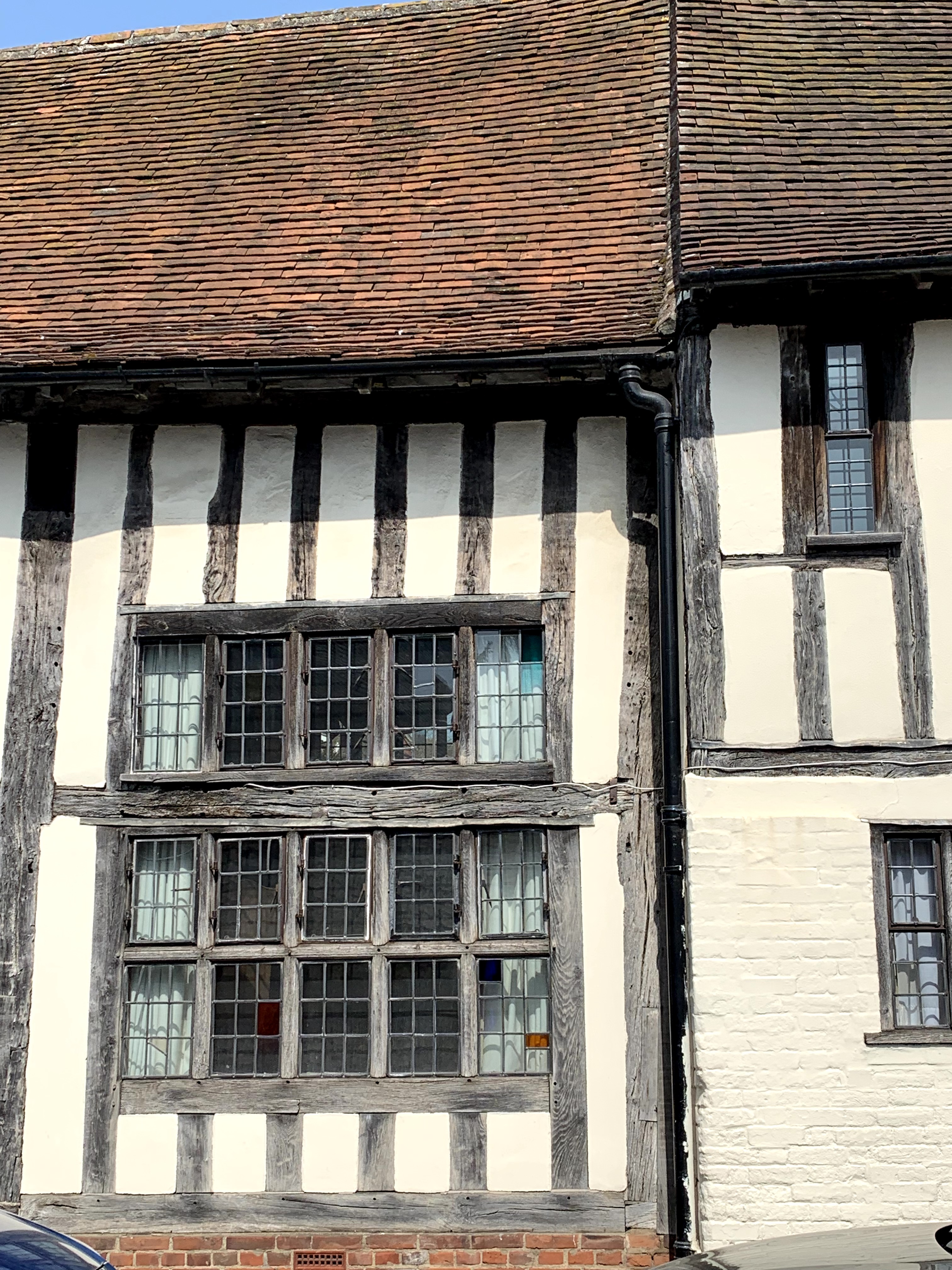
Is renovating a listed building possible?
Yes — but it requires a sensitive and informed approach. With the right planning strategy, professional guidance and early discussions with the local authority, many listed buildings are successfully adapted for modern living while retaining their historic value.
If you’re considering alterations and want to understand what may be achievable, speaking to an experienced planning specialist early on can save time and avoid costly missteps.
For those also weighing up budgets, a quick cost estimate can help set realistic expectations before moving forward.
.png)

.jpeg)



With over 500+ projects completed nationwide.



