What Makes a Home Feel Dependable When Life Changes?

Life rarely stays still. Whether you’re navigating financial pressure, health changes, growing families or shifting routines, the way your home performs suddenly matters far more than how it looks. A dependable home doesn’t just shelter you — it steadies you.
So what does reliability actually mean when it comes to the place you live? And how can your home quietly support you when everything else feels uncertain?
Reducing Uncertainty Through Energy Performance
One of the most practical ways a home can support you is by keeping costs predictable. With energy prices fluctuating and household budgets under pressure, homes that waste heat quickly become a source of stress.
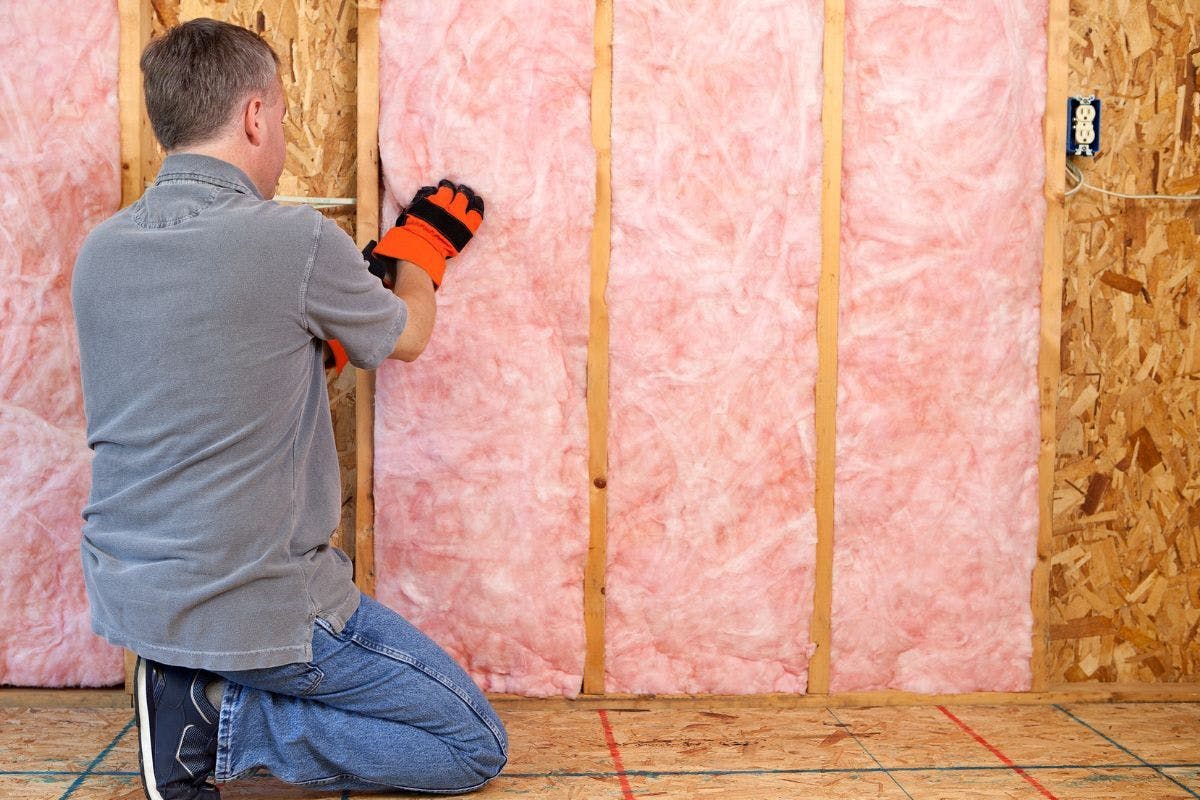
Improving insulation across walls, roofs and floors reduces the amount of energy needed to stay comfortable. The result is a home that holds heat more effectively and gives you greater control over running costs — especially important during periods of uncertainty.
A good starting point is understanding how your home currently performs. Your Energy Performance Certificate outlines where heat is being lost and what improvements could make the biggest difference. Even if your rating is lower than expected, the report provides clear recommendations alongside estimated costs and long-term savings, helping you plan realistically rather than reactively.
Strengthening the Elements That Matter Most
Reliable homes are built on systems that work quietly in the background. Plumbing, electrics, heating and structural elements may not be visible day to day, but when they fail, everything else becomes harder to manage.
Renovation projects offer a valuable opportunity to assess these fundamentals properly. Addressing ageing pipework, outdated wiring, uneven floors or poorly executed past work can prevent far more disruptive issues later on. Investing in what keeps your home functioning — rather than only what improves appearance — is often what gives a property long-term resilience.
Supporting Physical Health at Home
A home that undermines your health can quickly become a burden. Damp, mould, cold draughts and poor air quality don’t just affect comfort — they can impact respiratory health, sleep quality and overall wellbeing.
Identifying the root causes of these problems is key. Excess moisture, insufficient ventilation or inadequate insulation often sit behind visible symptoms. Tackling these issues early helps prevent long-term damage to both the building and the people living inside it.
If major works aren’t immediately possible, small interventions can help stabilise conditions. Using a reliable dehumidifier, improving airflow during cooking and bathing, blocking draughts and reducing indoor moisture sources can all make a meaningful difference in the short term.
Creating a Home That Runs Without Fuss
When life is demanding, the last thing you need is a home that requires constant attention. Heating that works reliably, water pressure you can trust and lighting that doesn’t flicker all contribute to a sense of calm.
Ensuring these systems are properly maintained — or upgraded where necessary — reduces the mental load of home ownership. A smoothly functioning home gives you space to focus on what matters elsewhere in your life.

Adapting Space as Your Needs Change
Sometimes reliability isn’t about fixing what’s broken, but about creating space that supports how you live now — not how the house was originally designed.
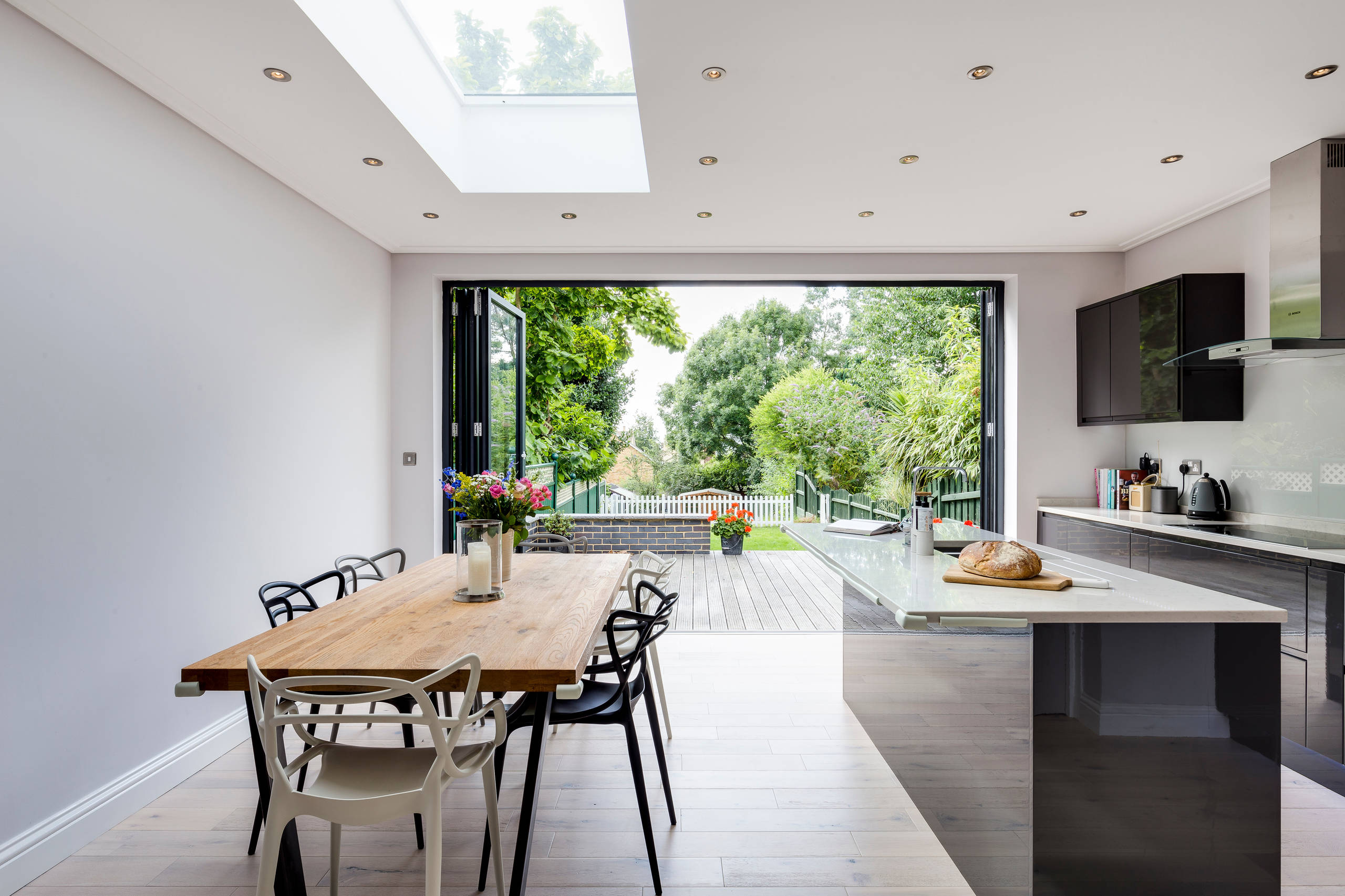
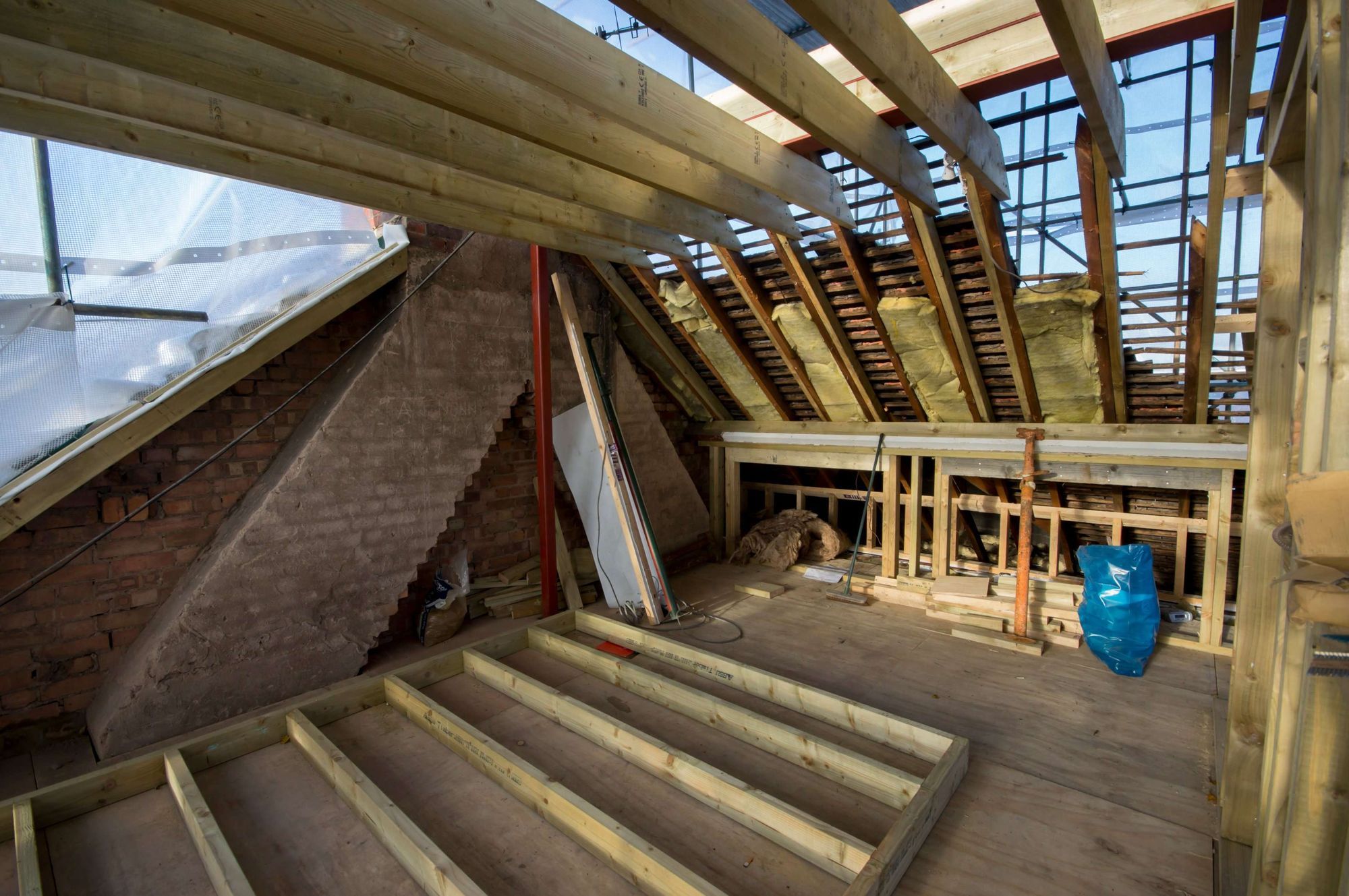
An extension can relieve daily pressure in surprisingly simple ways. A utility room can make household tasks easier to manage. A home office can offer privacy and focus. Extra living space can restore balance when routines shift or families grow.
While extensions involve disruption and planning, the long-term benefit is flexibility — a home that adapts with you rather than holding you back.
Building a Home You Can Rely On
A reliable home isn’t flashy. It’s warm when it needs to be, dry when it should be, affordable to run and flexible enough to accommodate change. It’s the kind of place that quietly supports you — especially when life doesn’t go to plan.
If you’re considering changes to improve how your home performs or adapts, understanding your options early can make the process far less daunting. Whether that’s improving insulation, upgrading systems or rethinking your layout, thoughtful planning now can bring lasting reassurance later.
.png)

.jpeg)

With over 500+ projects completed nationwide.



