Why Side Return Extensions Make So Much Sense for London Homes

If you live in London—particularly in a Victorian or Edwardian terrace—you may already have untapped space running down the side of your property. It’s usually narrow, underused, and often forgotten.
A side return extension allows you to reclaim that space and bring it into your home in a way that feels natural, practical, and transformative. As architects working with London homeowners every day, we regularly see how even a modest side extension can dramatically improve light, layout, and liveability.
Let’s walk through what this type of extension involves and what you should think about before starting.
Understanding What a Side Return Extension Actually Is
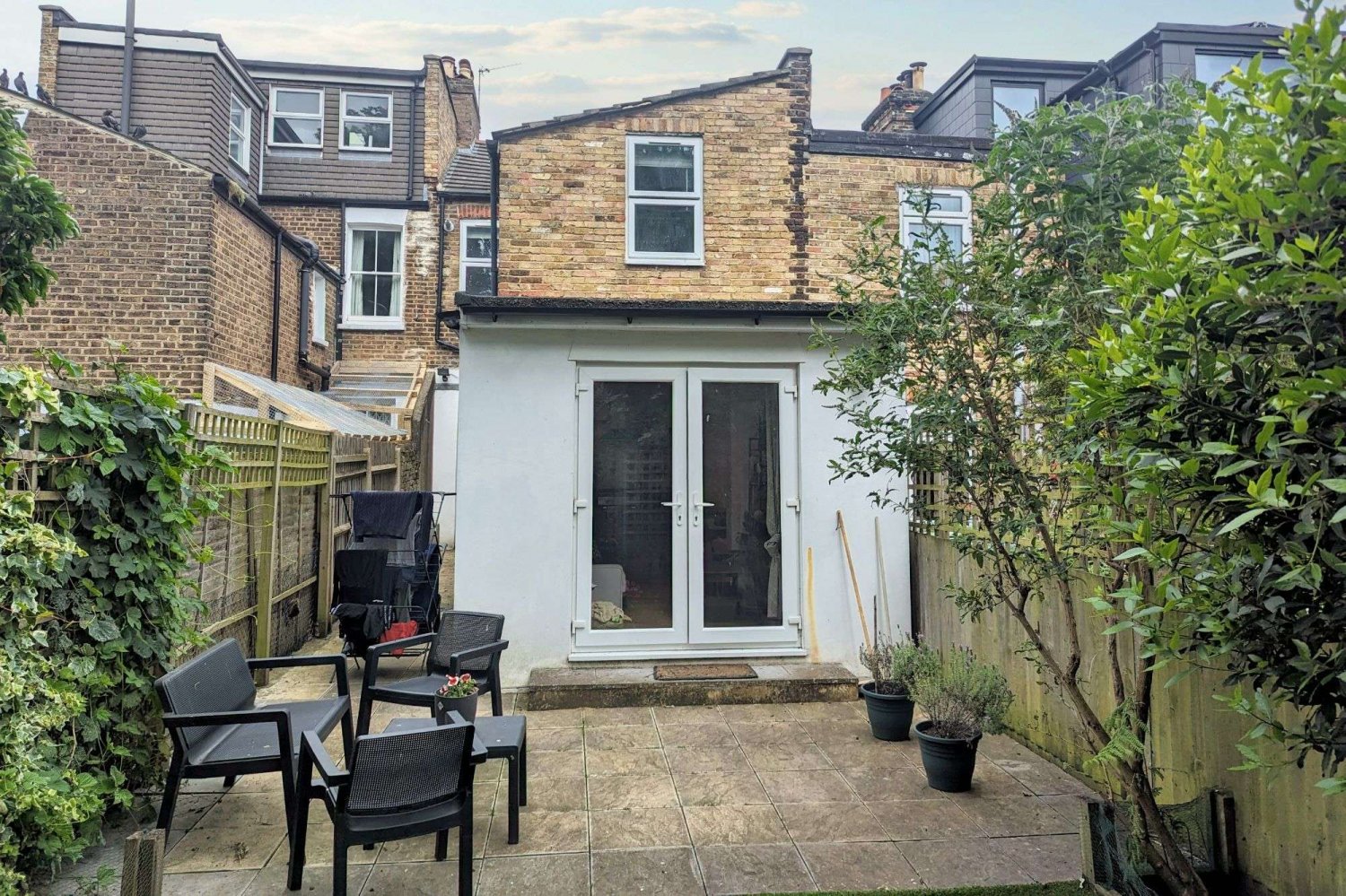
Put simply, a side return extension fills in the unused strip of land at the side of your house—most commonly found on terraced and semi-detached homes.
Instead of leaving this area as an external alleyway, the space is enclosed and incorporated into your internal layout. You may also hear this referred to as a side infill extension.
Homeowners typically use side return extensions to:
- Widen and modernise kitchens
- Create open-plan kitchen-dining spaces
- Improve daylight at ground floor level
- Resolve awkward or cramped layouts
Common Side Return Designs You’ll See in London Homes
There’s no one-size-fits-all solution, but these are the most common side return extension approaches we design across London. Costs vary depending on structure, finishes, and site conditions, but these ranges give a useful starting point.
Extending the Ground Floor Only
Approx. £90,000–£120,000
A single-storey side return extension is the most popular option. It extends your living space sideways, often turning a narrow kitchen into a bright, functional hub of the home.
Adding Space Over Two Floors
Approx. £150,000–£200,000
A double-storey side extension creates additional room both downstairs and upstairs—ideal if you need an extra bedroom, bathroom, or home office.
Reworking the Kitchen Through a Side Extension
Approx. £80,000–£120,000
Kitchen-focused side return extensions are designed to unlock better layouts, more storage, and improved connections to the garden.
Side Return Extensions for Victorian Terraced Houses
Approx. £80,000–£120,000
Victorian terraces are particularly well suited to side returns, as many were built with generous alleyways that are ideal for infill development.
Maximising Daylight with a Glass Side Extension
Approx. £80,000–£140,000
Glass roofs, rooflights, and large glazed panels are often used to ensure the extension brings light deep into the home—especially useful for north-facing properties.
Figures shown are indicative and should be used as a guide only.
When Professional Architectural Input Really Matters
If your project changes the external structure of your home—and most side return extensions do—working with an architect is strongly recommended.
A side extension involves more than just adding walls and a roof. Structural design, drainage, fire safety, planning constraints, and neighbour relationships all need careful consideration. An architect helps you pull these elements together into a clear, buildable plan that avoids surprises later.

Making the Most of Narrow Side Spaces
One of the biggest advantages of side return extensions is how efficiently they use space.
Rather than extending into your garden, the design works with land that already exists but isn’t doing much for you. Even an extra metre or two can completely change how a kitchen or living area feels when it’s designed thoughtfully.
Planning Rules London Homeowners Should Be Aware Of
Many side return extensions fall under permitted development, meaning full planning permission isn’t always required.
That said, planning rules depend on factors such as:
- Height and footprint of the extension
- Whether your home is in a conservation area
- Proximity to neighbouring properties
- Materials and overall appearance
In general, permitted development may apply if the extension:
- Is not built at the front of the house
- Uses materials similar to the original building
- Covers less than half of the original plot
- Is no wider than half the original house
- Stays within height limits (4m, or 3m near boundaries)
Because planning policies in London can be complex, it’s always wise to confirm your position early before progressing too far.
Party Wall Matters: What You Need to Know Before You Build
If your side return extension affects a shared wall or involves foundations close to a neighbouring property, a Party Wall Agreement is usually required.
This applies to many terraced and semi-detached homes and involves formally notifying neighbours ahead of construction. Managing this process correctly helps protect everyone involved and avoids delays or disputes during the build.
A party wall surveyor can advise on boundaries, excavation distances, and the correct legal steps.
How Long a Side Return Extension Usually Takes
Once construction begins, most side return extensions take around three to five months to complete.
The overall timeline—from initial design to completion—will depend on planning requirements, complexity, contractor availability, and site access. Clear drawings and early decision-making play a big role in keeping things running smoothly.
The Real Benefits of a Side Return Extension
More Usable Space
You gain valuable internal area that can be shaped around how you live—whether that’s cooking, entertaining, or family time.
Brighter, More Comfortable Rooms
Thoughtful use of glazing and rooflights can transform dark spaces into light-filled rooms you actually enjoy spending time in.
Long-Term Value
Well-designed home extensions in London often add both lifestyle value and resale appeal, making side return extensions a smart long-term investment.
A Final Word: Good Planning Makes All the Difference
A side return extension isn’t just about adding square metres—it’s about improving how your home works for you.
With careful design, a clear understanding of planning rules, and the right professional guidance, an overlooked strip of land can become one of the most enjoyable parts of your home. When the groundwork is done properly, the results tend to speak for themselves.
.png)

.jpeg)


With over 500+ projects completed nationwide.



