Why Ventilation Matters as Much as Insulation in Your Home

When people talk about improving their homes, insulation usually steals the spotlight. Ventilation, on the other hand, is often treated as an afterthought. In reality, the two work hand in hand. Without the right balance, even the best-insulated property can become uncomfortable, unhealthy, and inefficient.
Let’s unpack what home ventilation actually does, how it interacts with insulation, and why getting both right is essential for a well-performing home.
Understanding Home Ventilation
Ventilation is the process of bringing fresh outdoor air into a building while allowing stale or polluted air to escape. Its job is to maintain healthy air quality by controlling moisture levels, odours, and airborne pollutants.
Everyday activities like cooking, cleaning, and even breathing introduce moisture and contaminants into the air. Without a reliable way for that air to move out, these pollutants remain trapped indoors.
What Insulation Does (and Doesn’t Do)
Insulation creates a thermal barrier between the inside of your home and the outdoors. It slows down heat transfer—helping retain warmth during colder months and reduce heat gain in warmer ones.
What insulation doesn’t do is refresh the air inside your home. In fact, highly insulated buildings that lack proper ventilation often experience the worst air-quality issues.
Why Ventilation and Insulation Must Work Together
A tightly insulated home without adequate airflow can quickly run into problems. Moisture becomes trapped, humidity rises, and pollutants accumulate. Over time, this imbalance can cause both health concerns and damage to the building itself.
Good ventilation allows fresh air to circulate without undoing the benefits of insulation. The goal is not constant air loss, but controlled air exchange—enough to maintain a healthy indoor environment without excessive heat escape.
Signs Your Home Has Effective Ventilation
A well-ventilated home typically feels fresh and comfortable year-round. Bathrooms clear quickly after showers, windows stay free from persistent condensation, and there’s no musty smell lingering in living spaces.
When ventilation and insulation are properly balanced, humidity stays under control and indoor air quality remains stable.
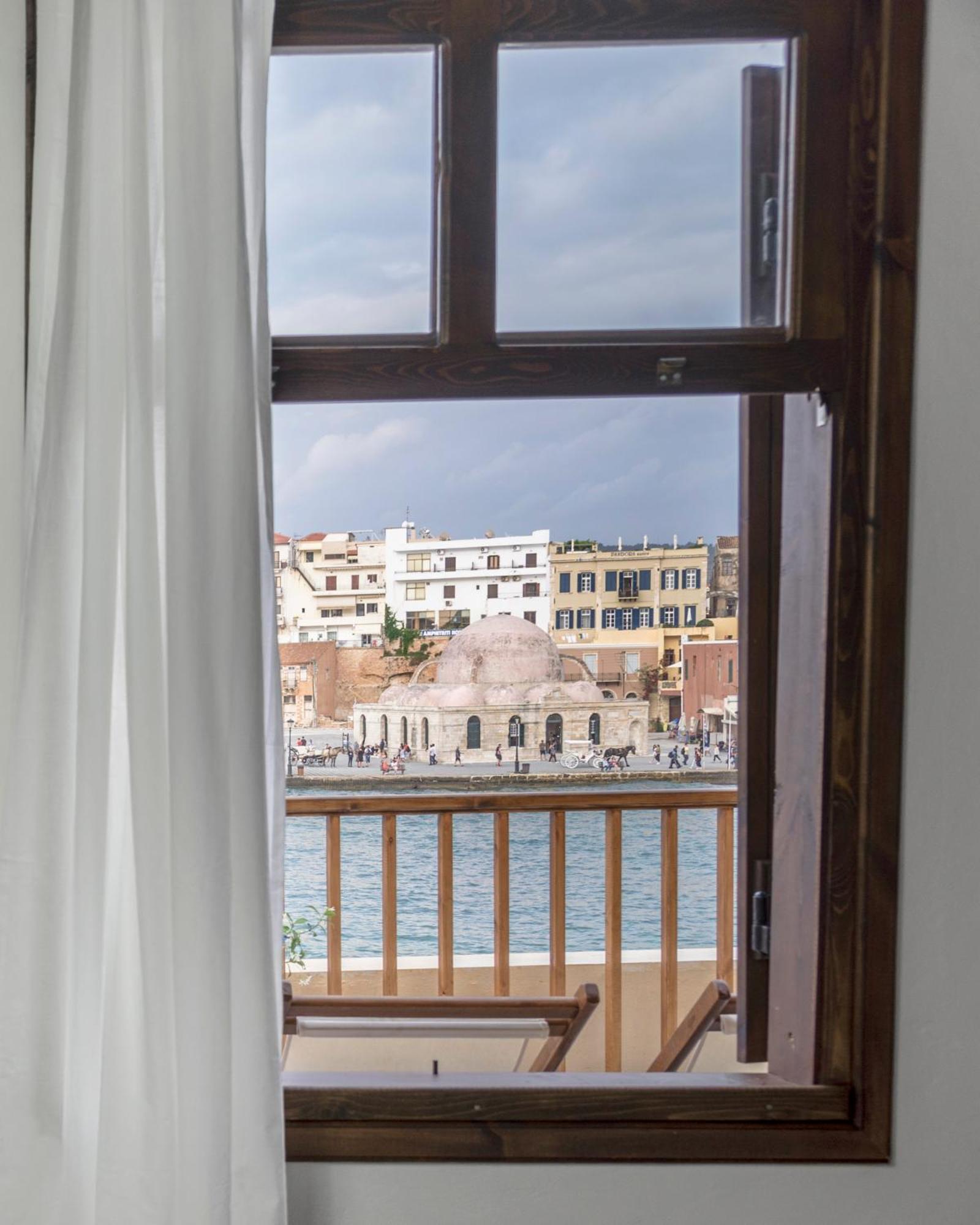
Warning Signs of Poor Ventilation
When airflow is insufficient, the effects often show up gradually:
Persistent Condensation
Moisture collecting on windows and walls is often the first indicator. Left untreated, this can lead to more serious issues.
Mould Growth
Black or green mould patches may appear on walls, ceilings, furniture, or soft furnishings. Beyond cosmetic damage, mould can affect respiratory health.
Damage to Walls and Finishes
Excess moisture can cause paint to peel, plaster to degrade, and structural materials to weaken over time.
Stale Air and Odours
A lack of fresh airflow allows smells to linger, making spaces feel uncomfortable and uninviting.
Reduced Oxygen Levels
Poor air circulation can contribute to fatigue, headaches, and breathing discomfort—especially in tightly sealed homes.
Why Getting Ventilation Right Is So Important
Running costs are one of the biggest concerns for homeowners today. Moist air takes longer to heat, meaning poorly ventilated homes often cost more to keep comfortable. Over time, this inefficiency adds up.
There’s also the human factor. Research consistently shows that people’s sense of wellbeing is closely tied to how they feel about their living space. Issues like mould, damp, and unpleasant smells can undermine comfort and confidence at home.
Practical Ways to Improve Ventilation
Passive Ventilation Features
Ventilation slots or trickle vents help regulate airflow without major disruption. They allow a steady exchange of air while keeping heat loss to a minimum.
Everyday Habits
Opening windows during cooking, cleaning, or bathing—alongside using extractor fans—helps remove moisture and pollutants before they spread.
Mechanical Ventilation
Modern extractor fans are far quieter and more efficient than older models, making them easier to integrate into kitchens and bathrooms during renovations.
Structural Improvements
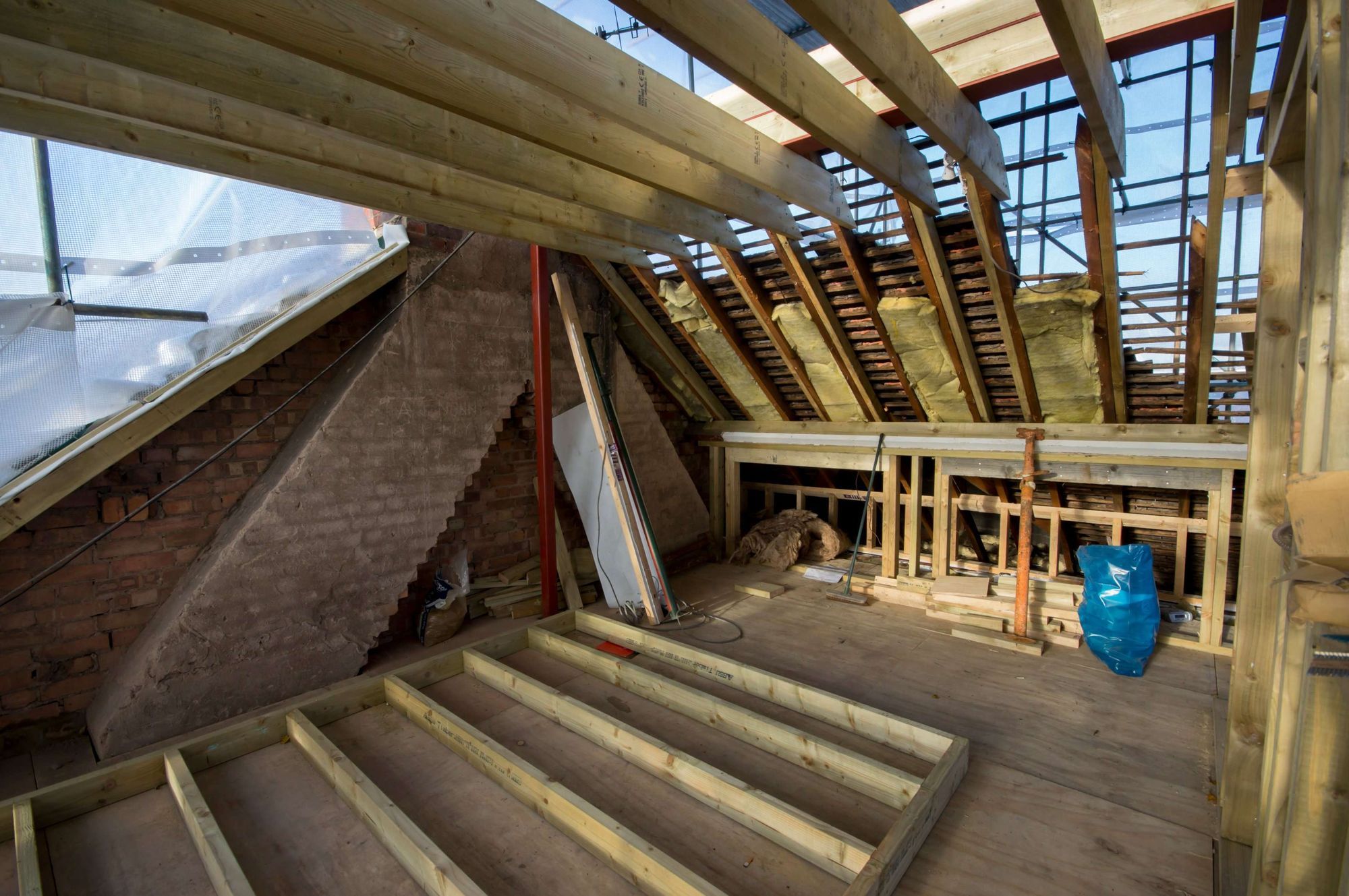
In some homes, improving airflow between rooms, roof spaces, and lofts can significantly enhance overall ventilation and reduce long-term moisture issues.
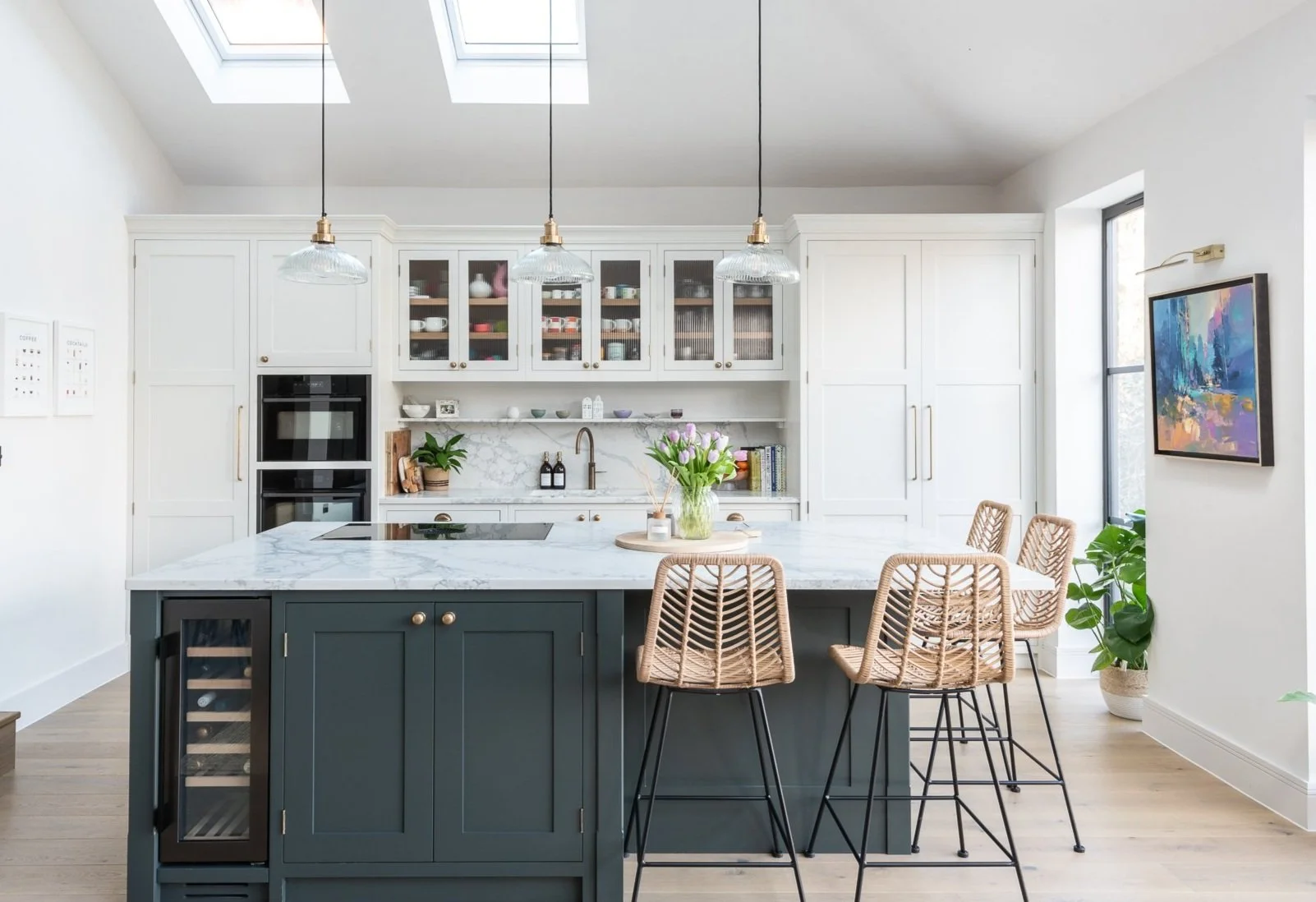
Planning Ahead for Healthier Homes
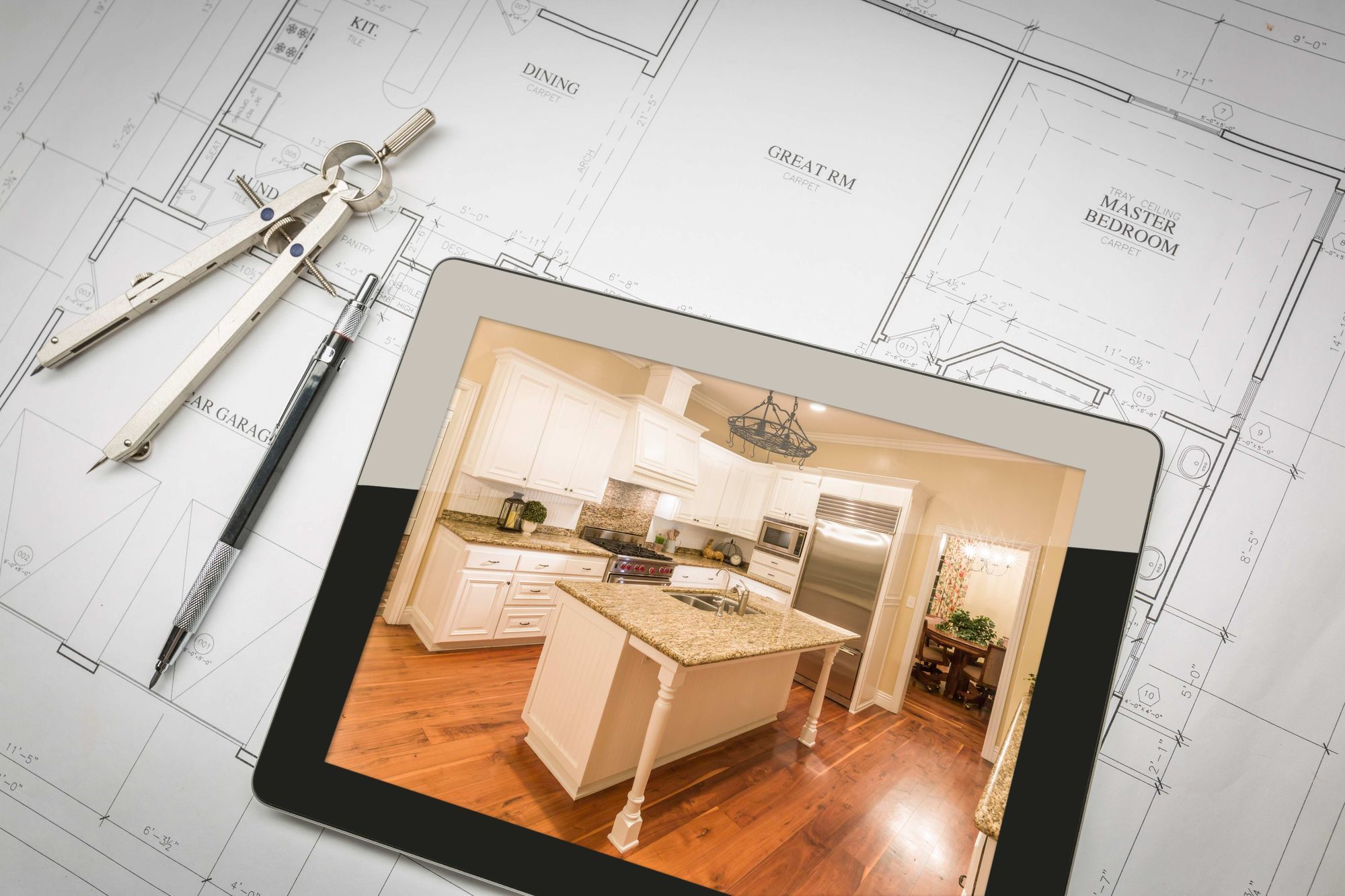
If you’re considering an extension or renovation, ventilation should be part of the conversation from the very start. Thoughtful design makes it far easier to incorporate effective airflow solutions without compromising comfort or efficiency.
A well-ventilated home isn’t just healthier—it’s more durable, more enjoyable to live in, and cheaper to run over time.
.png)

.jpeg)

With over 500+ projects completed nationwide.



