Wraparound extensions explained: how L-shaped designs transform your home

If you’re running out of space but don’t want to move, a wraparound extension can be a powerful way to rethink how your home works.
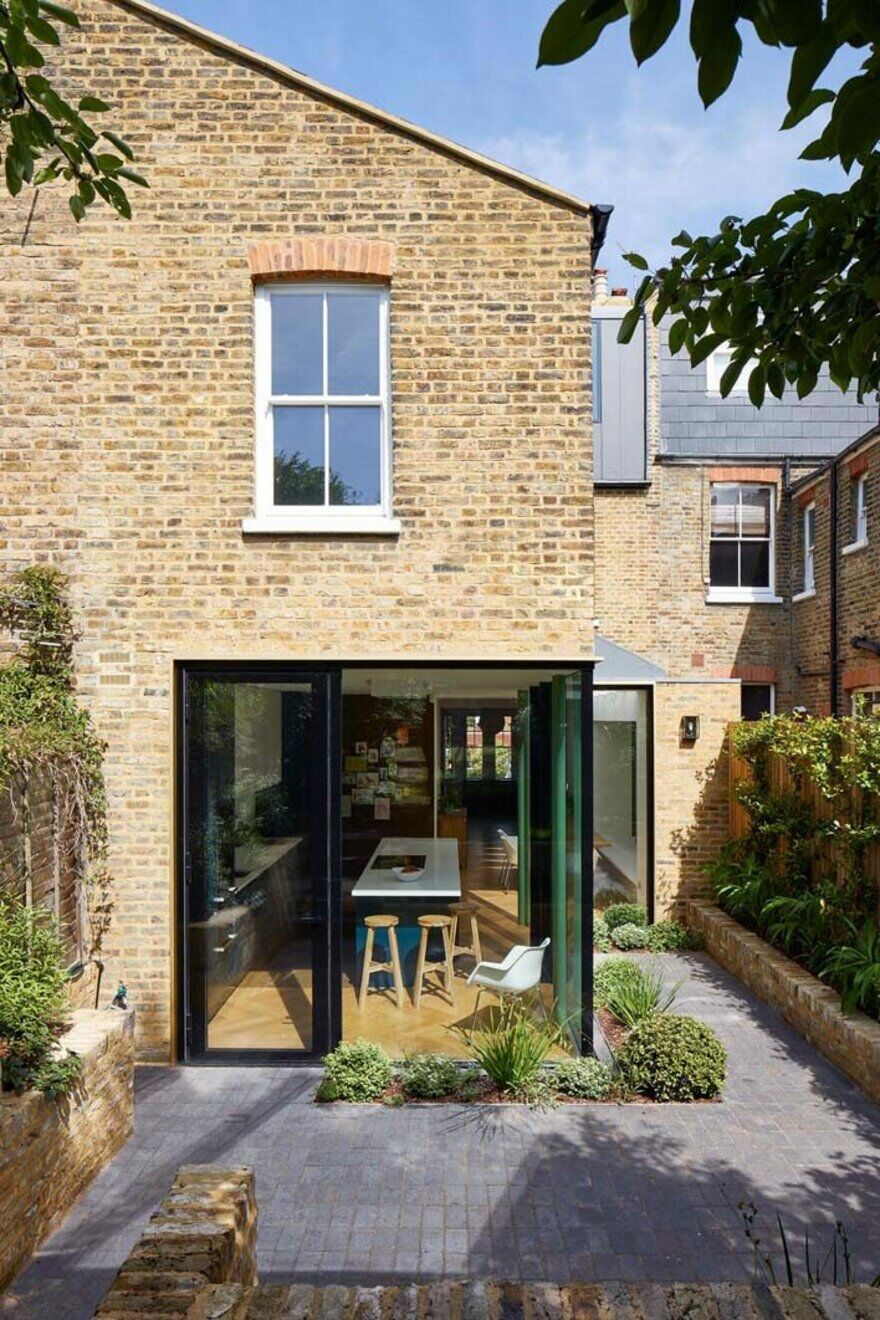
By extending both to the side and the rear, this type of project creates an L-shaped layout that unlocks areas of your home that are often underused. The result is usually a brighter, more open ground floor with far more flexibility in how rooms connect and flow.
What makes a wraparound extension different?
Unlike a single rear or side return extension, a wraparound combines both directions into one continuous build.
This approach allows you to:
- Square off awkward layouts
- Create larger open-plan living areas
- Improve connections between your home and garden
Introduce more daylight from multiple angles
Because it reshapes the footprint of your home, it’s often chosen by homeowners looking for a long-term solution rather than a quick fix.
How much should you budget for an L-shaped extension?
There’s no single figure that applies to every wraparound extension. Costs vary widely depending on how ambitious the design is and how complex the build becomes.
As broad guidance only, many homeowners find wraparound extensions typically fall within six-figure ranges, influenced by:
- Overall size in square metres
- Structural complexity
- Type and amount of glazing
- Internal specification and finishes
- Site access and existing structure
Larger or more complex homes will naturally sit at the higher end of the range, while simpler layouts and finishes can keep costs more controlled. Early cost planning helps ensure the design stays realistic from the outset.
Planning rules and approvals to think about early
Because wraparound extensions affect two sides of your home, planning considerations tend to be more involved.
Planning permission and permitted development
Many wraparound extensions require planning permission, as permitted development rules apply separately to side and rear additions. When combined, projects often exceed permitted limits.
That said, some elements may still fall within permitted development depending on height, depth, boundary distances, and overall footprint. Understanding this early can save time and prevent redesigns later.
When neighbour consent becomes essential
Wraparound extensions frequently sit close to boundaries, which means neighbouring properties may be affected.
You’ll usually need a party wall agreement if your project involves:
- Work to an existing shared wall
- Building directly on a boundary line
- Excavating close to a neighbouring structure
This applies most commonly to terraced and semi-detached homes.
Starting conversations with neighbours early is always the best approach. If consent isn’t given, surveyors will need to prepare a formal agreement, with costs typically covered by the homeowner carrying out the work.
Build times: what’s realistic to expect?
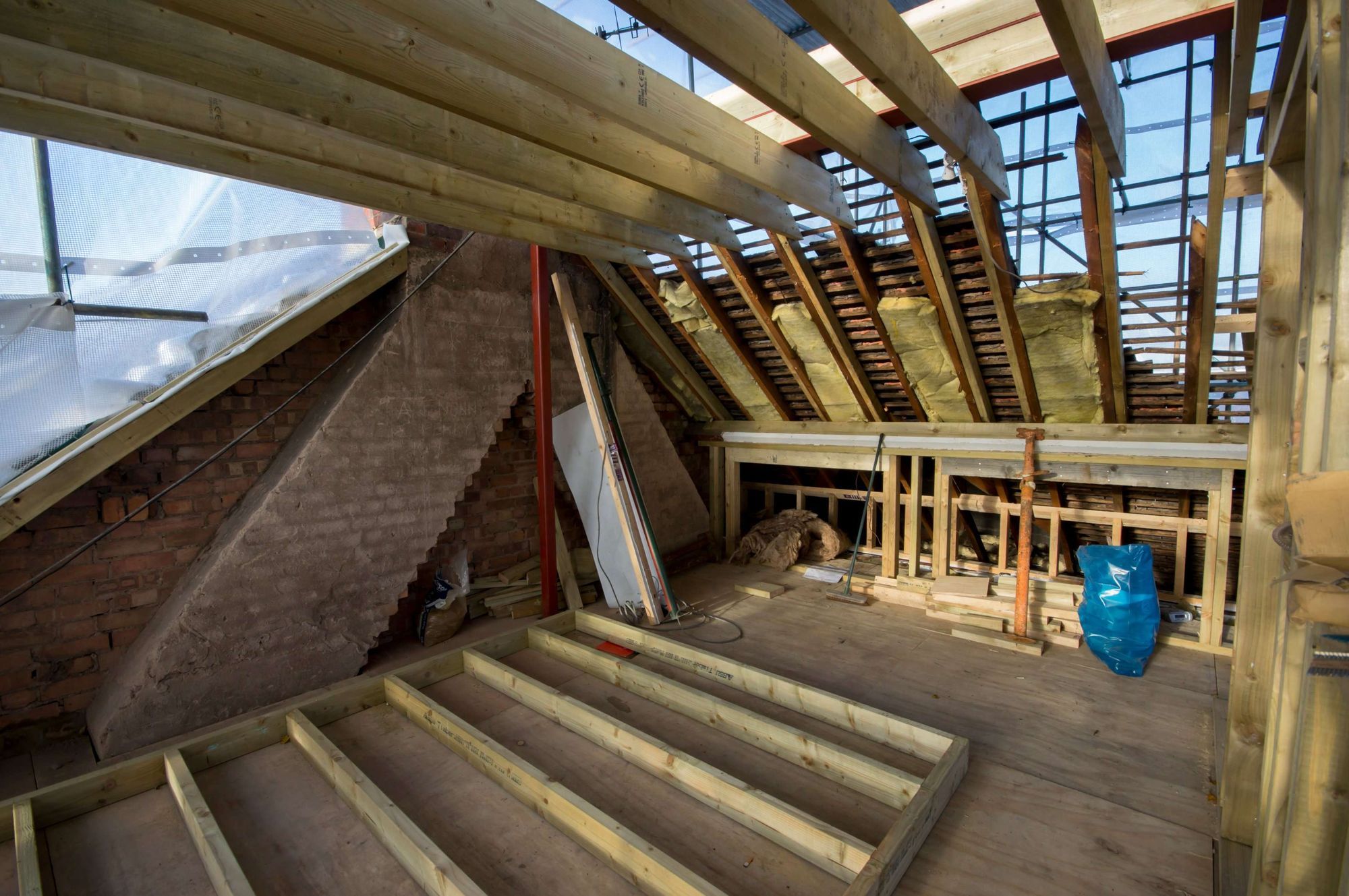
While every project is different, wraparound extensions are substantial builds.
From the start of construction, many take around 3 to 4 months, depending on:
- Size and complexity
- Weather conditions
- Structural alterations
Availability of materials and trades
Allowing time for planning and approvals before work begins is just as important as the build itself.
Why homeowners choose wraparound extensions
People often opt for this type of extension because it delivers multiple benefits at once:
- Significantly more internal space
- Better natural light throughout the ground floor
- Improved layout and flow
- Stronger connection to outdoor space
- A home that feels more suited to modern living
When done well, the transformation can feel like an entirely new home rather than just an addition.
How L-shaped extensions can increase property value
While no uplift can ever be guaranteed, well-designed wraparound extensions often add meaningful value.
As a general guide, homeowners sometimes see increases in the region of 10–15%, depending on:
- Build quality
- Layout improvements
- Overall finish
- How well the space integrates with the existing home
The biggest gains usually come from improvements that enhance daily living rather than simply adding square metres.
Simple ways to maximise daylight in a wraparound design
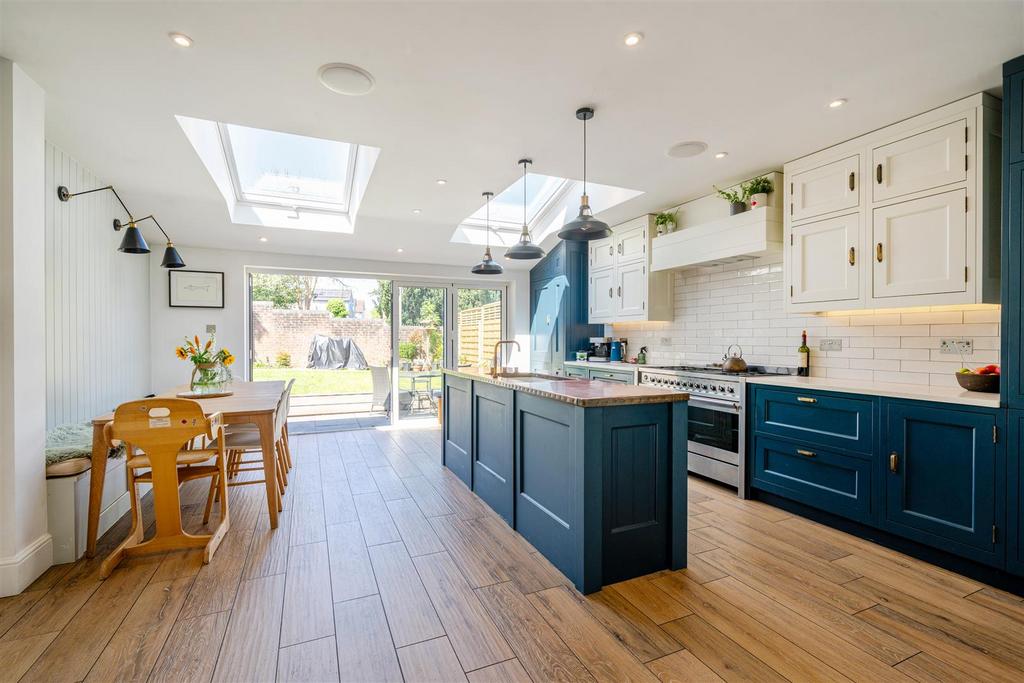
One of the biggest advantages of an L-shaped extension is the opportunity to bring light deeper into your home.
Common strategies include:
- Rooflights positioned along the side return
- Large glazed doors opening onto the garden
- Additional windows along new walls
- Light-reflective finishes and thoughtful layouts
Used together, these features can dramatically change how bright and welcoming your home feels throughout the day.
Final thoughts on wraparound extensions
A wraparound extension isn’t just about adding space — it’s about reshaping how your home works for you.
With careful planning, realistic budgeting, and a clear understanding of regulations, it can deliver a flexible, light-filled layout that supports everyday life for years to come.
If you’re considering an L-shaped extension, taking time to explore your options early will help you move forward with confidence and clarity.
.png)

.jpeg)


With over 500+ projects completed nationwide.



